

Hillbilly Mushrooms: Origin, Characteristics, Research, Risks, and Legal Status
Introduction
Hillbilly mushrooms are a well-known cultivated variety of Psilocybe cubensis, one of the most widely recognized psilocybin-producing mushroom species. They are discussed among mycology enthusiasts because of their distinctive growth characteristics, resilience under cultivation, and unique appearance. Although many claims circulate online regarding their origins and characteristics, reliable scientific information remains limited, making it important to distinguish documented facts from community anecdotes.
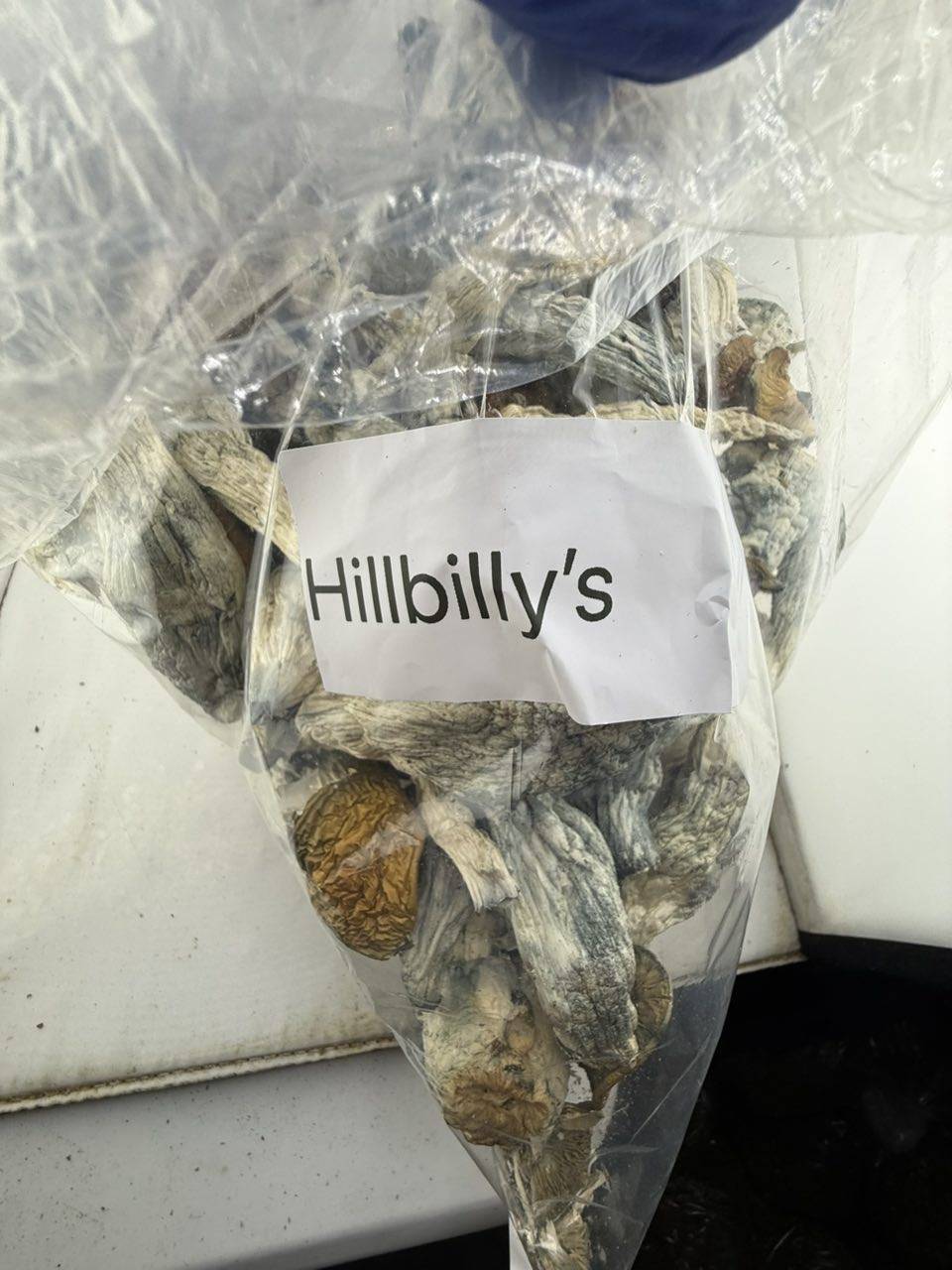
Hillbilly Mushrooms
Like other Psilocybe cubensis varieties, Hillbilly mushrooms contain the naturally occurring compounds psilocybin and psilocin. These compounds have become the subject of growing scientific research, particularly for their potential therapeutic applications in carefully controlled clinical settings. However, research into psilocybin does not imply that unsupervised use is safe or appropriate.
What Are Hillbilly Mushrooms?
Hillbilly mushrooms are generally regarded as a cultivated variety of Psilocybe cubensis. They are not considered a separate species but rather one of many named varieties developed and shared within the mycology community.
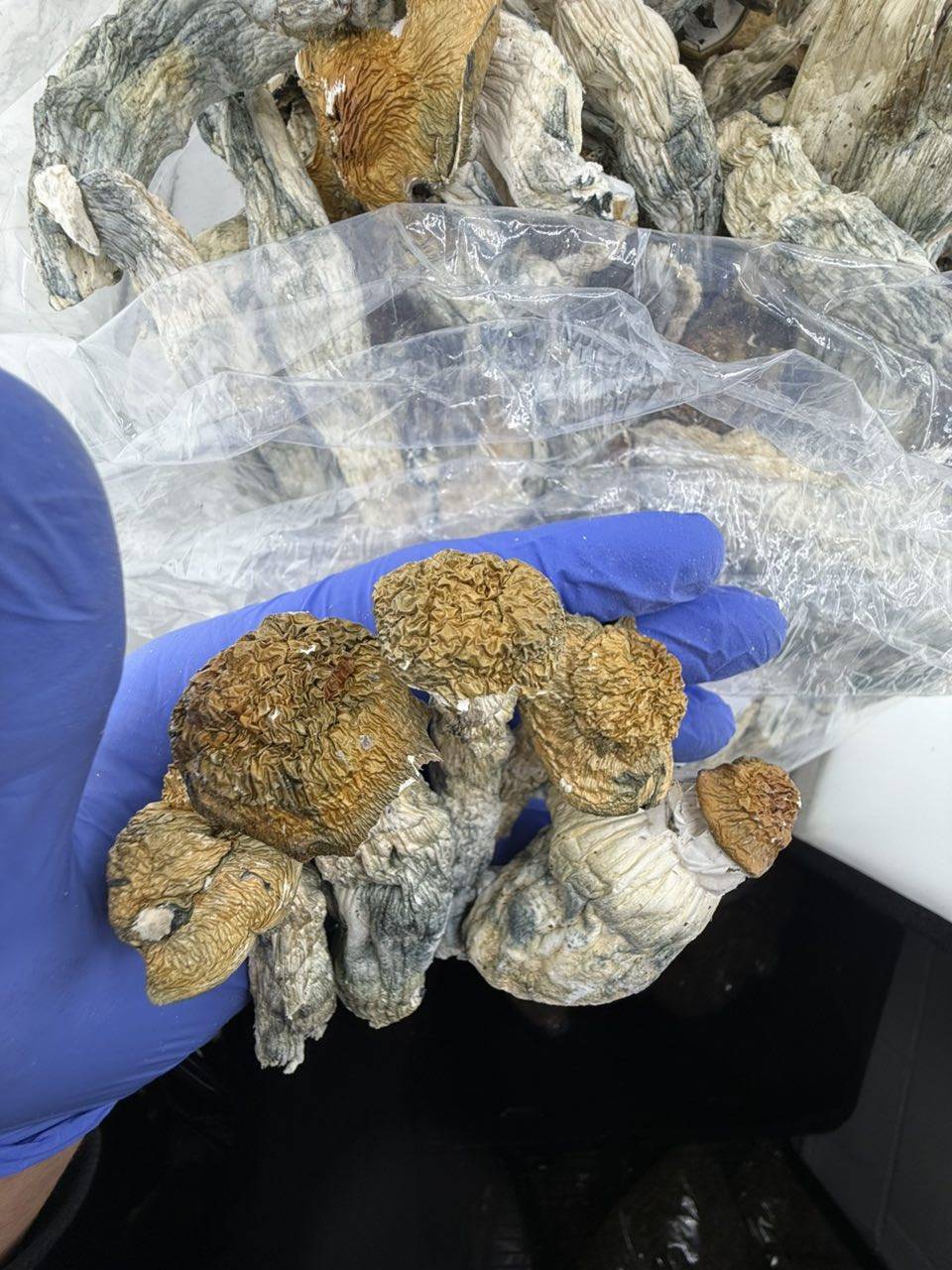
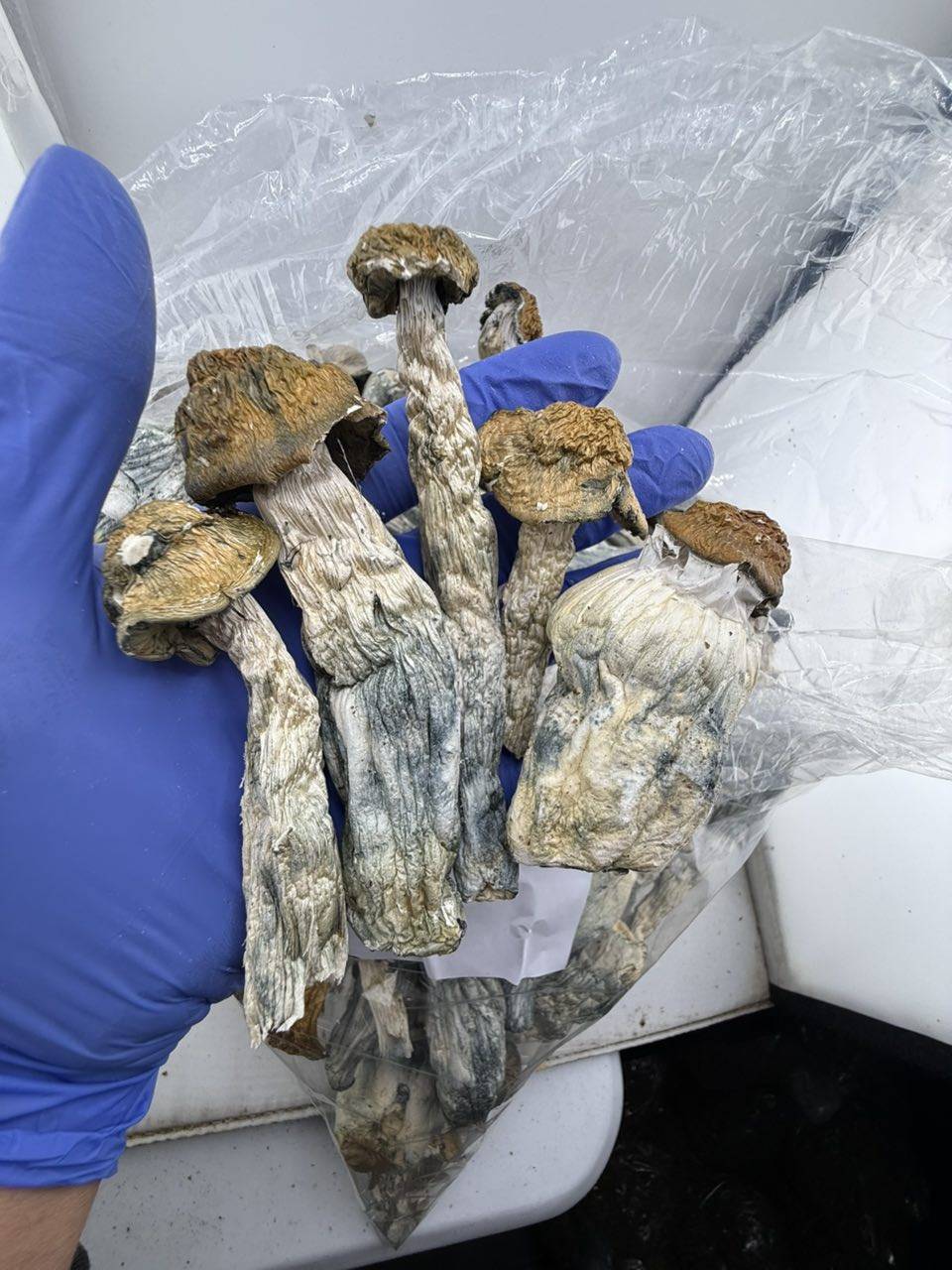
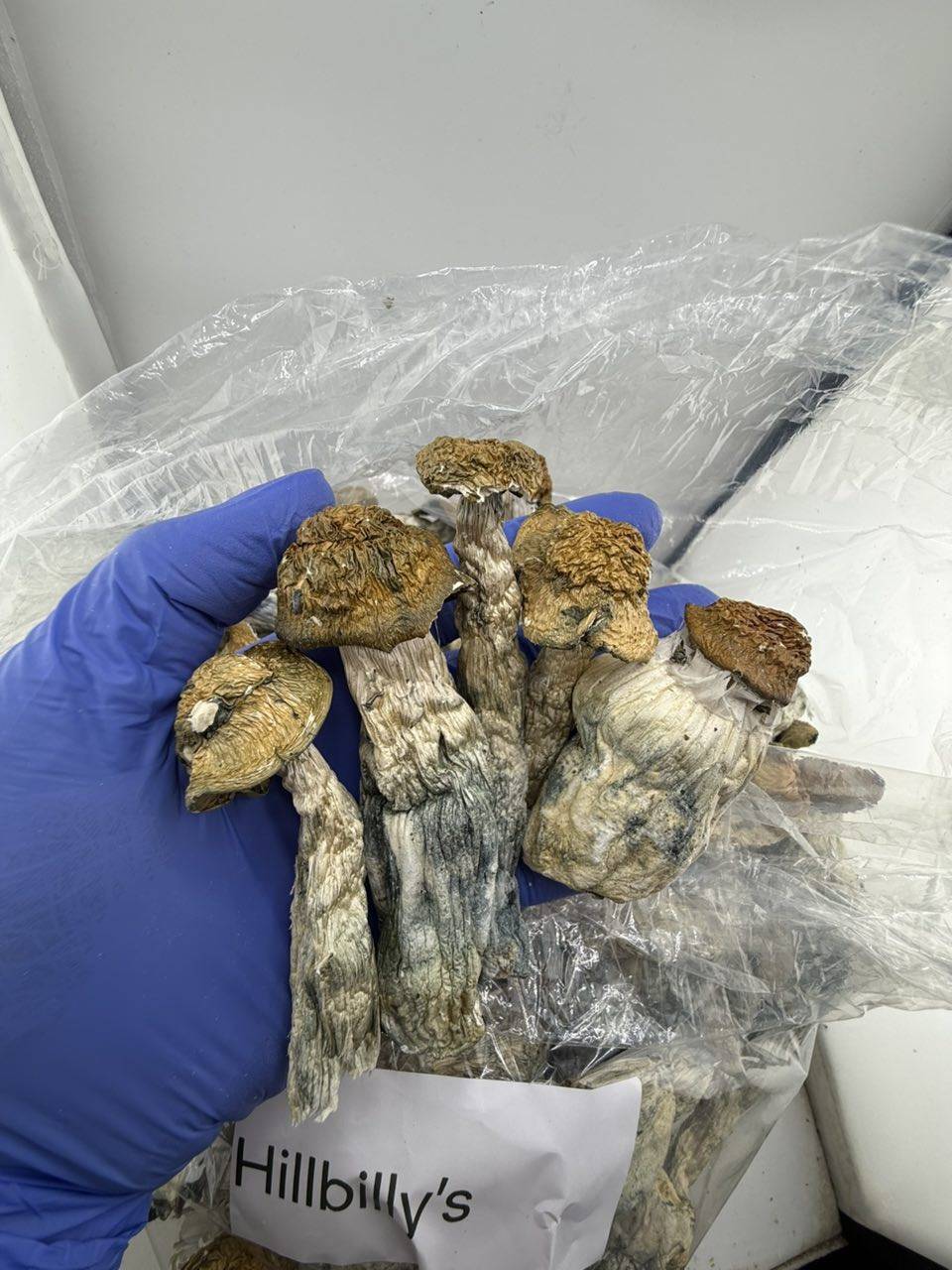
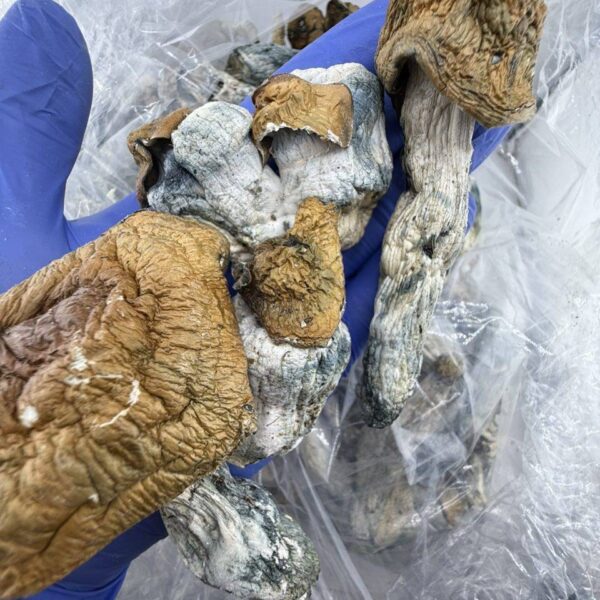
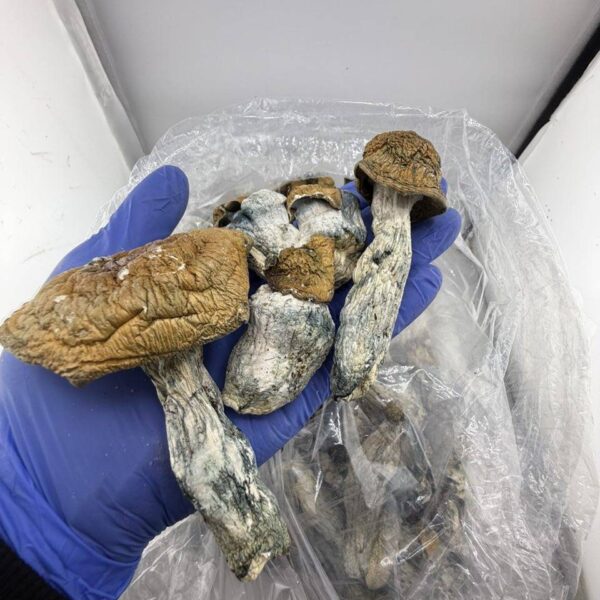
They are commonly described as producing medium to large fruiting bodies with relatively thick stems and broad caramel-to-golden caps. Like other P. cubensis varieties, they often exhibit blue bruising when handled due to the oxidation of psilocin.
History and Origin
The exact origin of the Hillbilly variety is not well documented. According to accounts within the mycology community, it is believed to have originated from a wild Psilocybe cubensis collection in the southern United States, particularly Arkansas. While this story is widely repeated, it has not been conclusively verified through scientific documentation.
Over time, Hillbilly mushrooms became popular among cultivators because of their reported vigorous growth and consistent fruiting characteristics under suitable cultivation conditions.
Characteristics
Hillbilly mushrooms are often recognized by:
- Medium to large golden-brown caps
- Thick white stems
- Bluish bruising after handling
- Dense flesh
- Typical Psilocybe cubensis spore coloration
Like all cultivated mushroom varieties, individual specimens can vary depending on genetics and environmental conditions.
Scientific Research
Scientific studies generally focus on psilocybin itself rather than individual mushroom varieties. Researchers are investigating psilocybin-assisted therapy for conditions such as treatment-resistant depression, anxiety associated with serious illness, alcohol use disorder, and tobacco dependence. These studies are conducted under strict medical supervision and continue to evaluate safety and effectiveness.
Risks and Safety
Psilocybin-containing mushrooms can cause significant changes in perception, mood, and thinking. Potential adverse effects include anxiety, confusion, nausea, increased heart rate, and impaired coordination. Because mushroom identification can be difficult, consuming unidentified wild mushrooms carries a risk of poisoning from toxic look-alike species.
Legal Status
The legal status of psilocybin mushrooms varies widely around the world. In many countries and jurisdictions, possession, cultivation, and distribution remain illegal, while some regions permit limited medical research or regulated therapeutic use.
Conclusion
Hillbilly mushrooms are an interesting cultivated variety of Psilocybe cubensis that attract attention within the mycology community for their appearance and growth characteristics. Although scientific interest in psilocybin continues to expand, research remains focused on controlled clinical settings, and legal regulations differ substantially between jurisdictions. Learning about their biology, history, and current scientific understanding helps promote accurate, evidence-based knowledge.
Reviews
There are no reviews yet.