
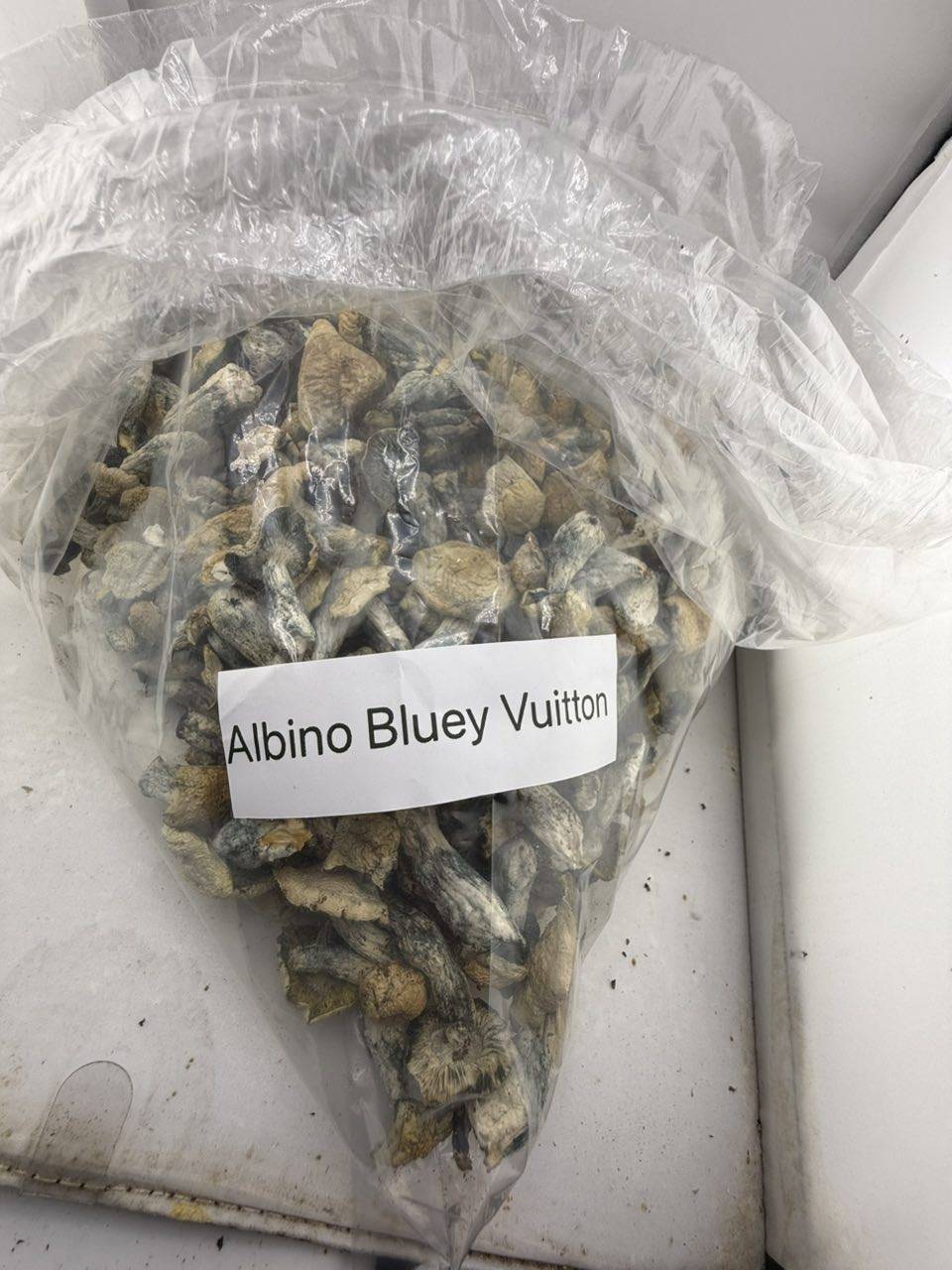


Buy Albino Bluey Vuitton Mushrooms
Introduction
Albino Bluey Vuitton mushrooms have attracted significant attention within mycology communities because of their unusual appearance, distinctive coloration, and reported genetic background. As interest in mushroom cultivation and fungal research continues to grow, enthusiasts frequently discuss this variety alongside other well-known strains of psilocybin-producing mushrooms. However, understanding Albino Bluey Vuitton mushrooms requires more than simply recognizing their visual appeal. Instead, researchers, cultivators, and enthusiasts often examine their morphology, genetics, environmental requirements, and place within the broader world of fungal biodiversity.
Although Albino Bluey Vuitton is frequently referenced in online discussions, information about the variety remains relatively limited compared to older and more established mushroom strains. Consequently, much of the available knowledge comes from cultivation communities, mycology forums, and independent observations. Nevertheless, several characteristics consistently distinguish this variety from many others.
This article provides an educational overview of Albino Bluey Vuitton mushrooms. Furthermore, it explores their appearance, taxonomy, cultivation considerations, historical development, and scientific significance. The goal is to offer balanced information while encouraging responsible learning and further study.
Understanding Psilocybin Mushrooms
Before examining Albino Bluey Vuitton specifically, it is useful to understand the broader category of psilocybin-producing mushrooms. These fungi belong primarily to the genus Psilocybe, although several other genera contain species capable of producing psychoactive compounds.
Psilocybin mushrooms naturally occur across many regions of the world. Moreover, researchers have documented them in North America, South America, Europe, Asia, Africa, and Oceania. Different species thrive under varying environmental conditions, ranging from grasslands and forests to subtropical climates.
Scientists remain interested in these mushrooms because they produce compounds such as psilocybin and psilocin. These naturally occurring substances interact with serotonin receptors in the human brain. Consequently, researchers continue to investigate their effects and potential therapeutic applications.
In recent years, scientific studies have expanded considerably. As a result, universities and medical institutions increasingly explore the possible role of psilocybin in mental health research. Nevertheless, legal regulations vary substantially among countries and jurisdictions.
Origins of the Albino Bluey Vuitton Variety
The precise origins of Albino Bluey Vuitton remain a topic of discussion within mushroom cultivation communities. Generally, the variety is believed to have emerged through selective breeding and isolation efforts aimed at combining desirable traits from multiple genetic lines.
Unlike naturally occurring wild species, many modern mushroom varieties result from careful cultivation practices. Growers often select specimens displaying unique characteristics and then stabilize those traits across subsequent generations. Therefore, modern varieties can exhibit appearances and growth patterns that differ noticeably from their ancestral forms.
Albino Bluey Vuitton appears to represent one such effort. Furthermore, cultivators often describe it as possessing distinctive albino characteristics combined with strong bruising reactions and visually striking fruiting bodies.
Because mushroom genetics continue to evolve through selective breeding, individual specimens may display variation even within the same variety. Consequently, researchers and cultivators frequently document observations to better understand long-term stability.
Physical Characteristics
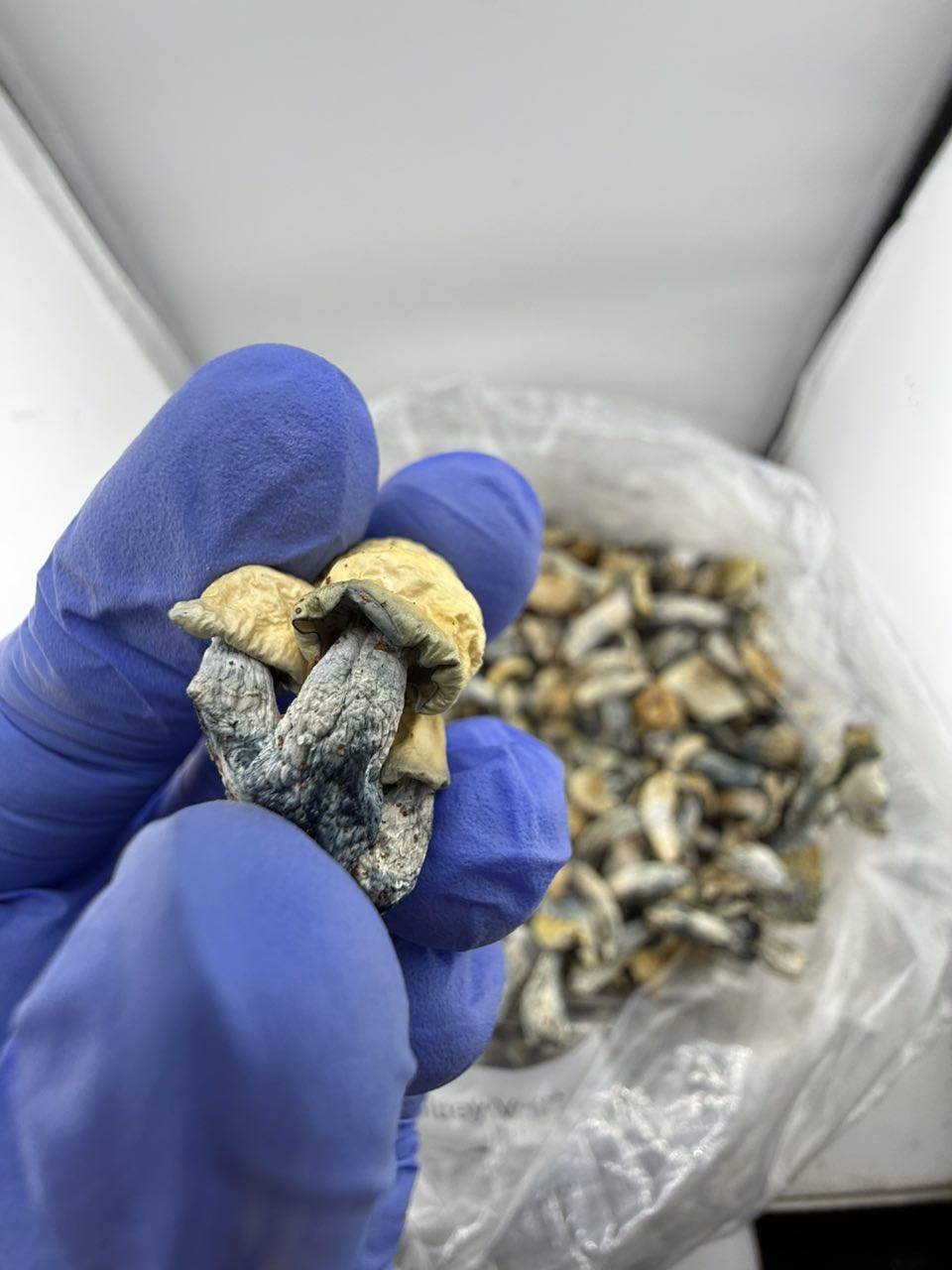
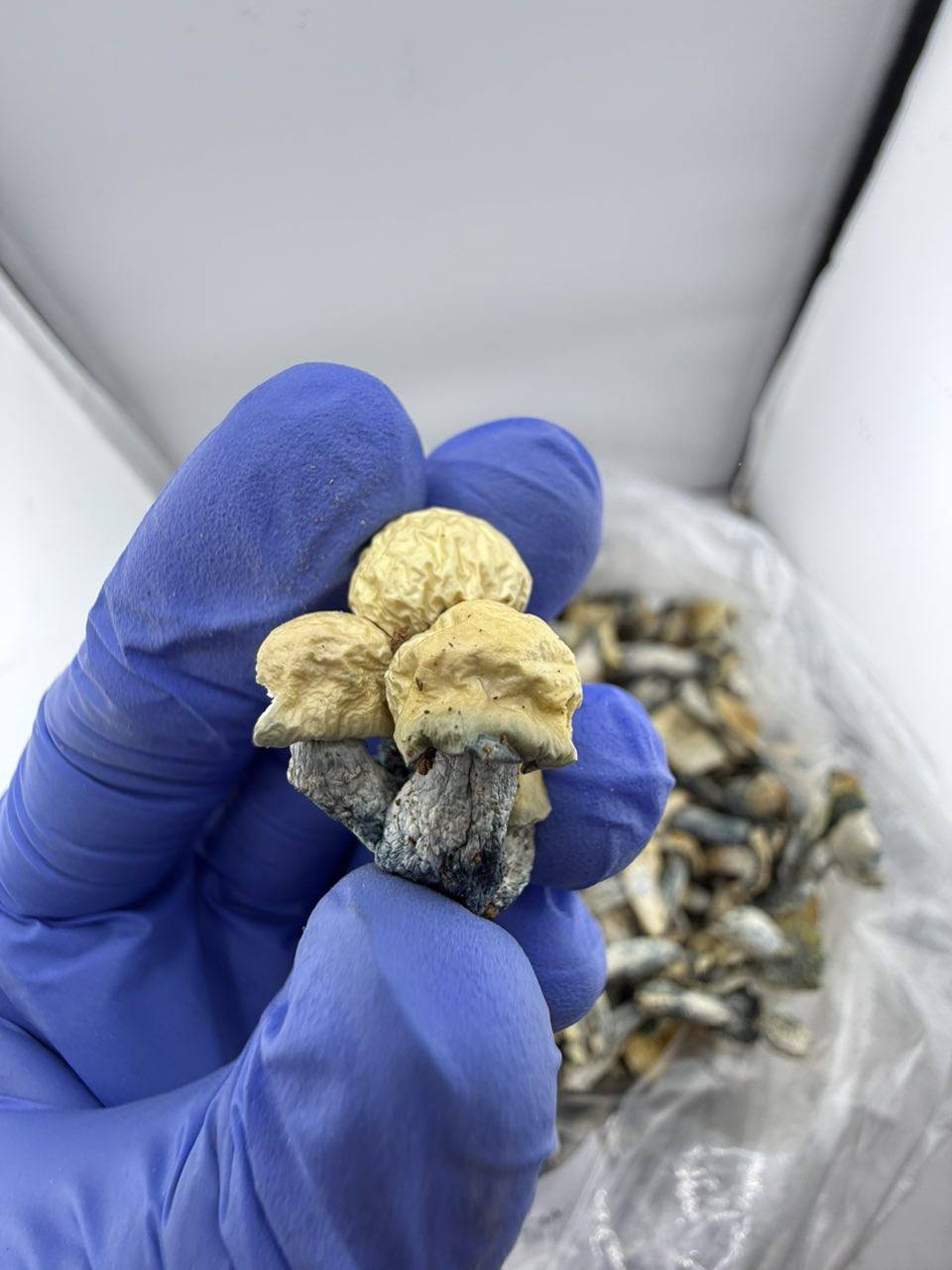
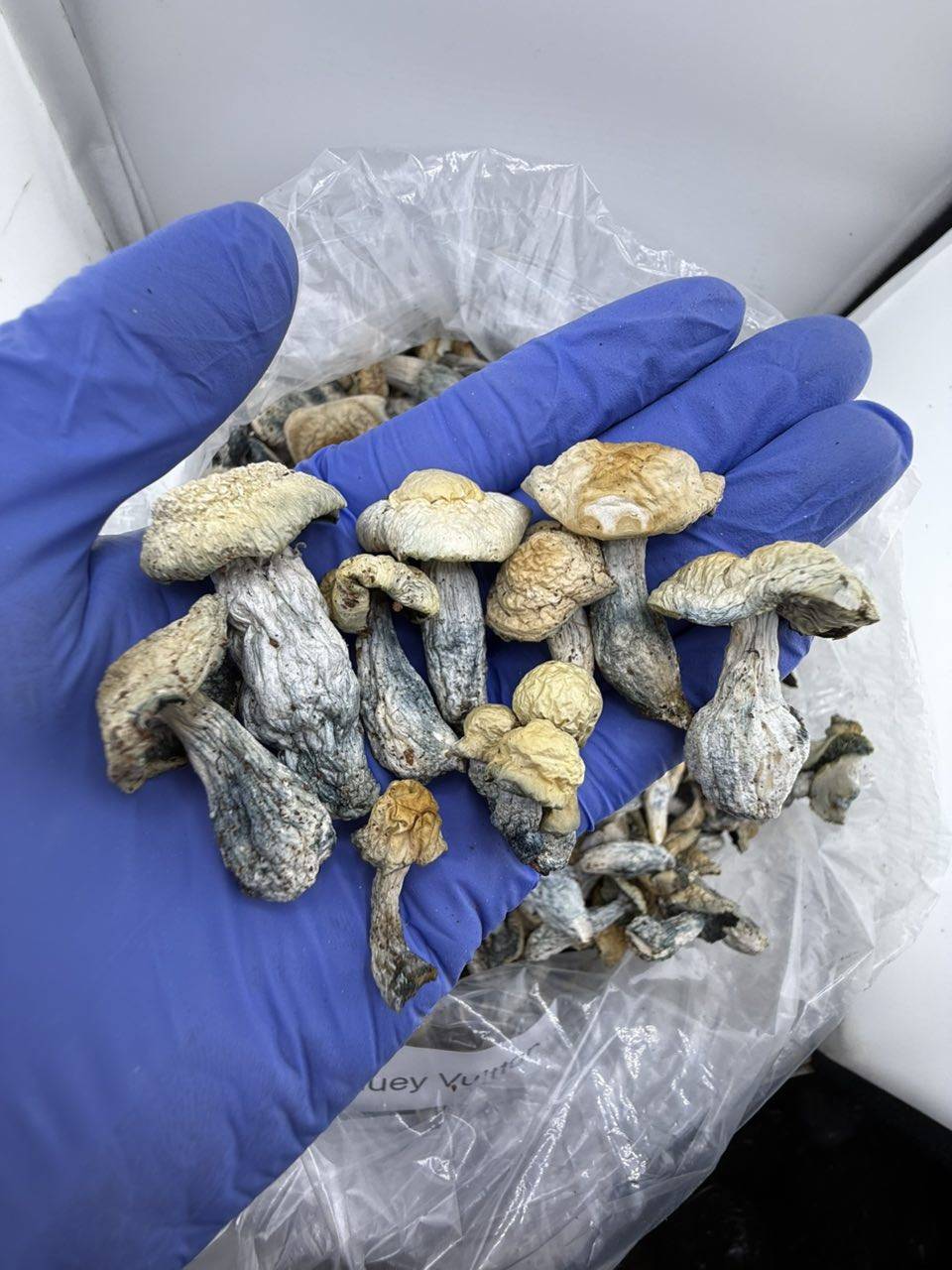
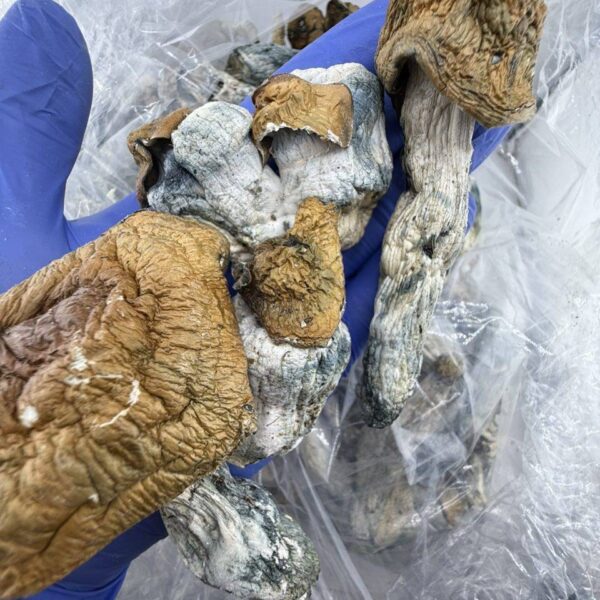
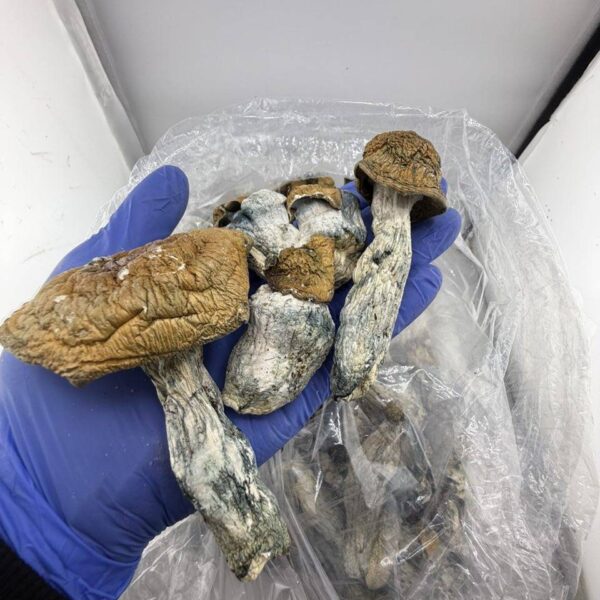
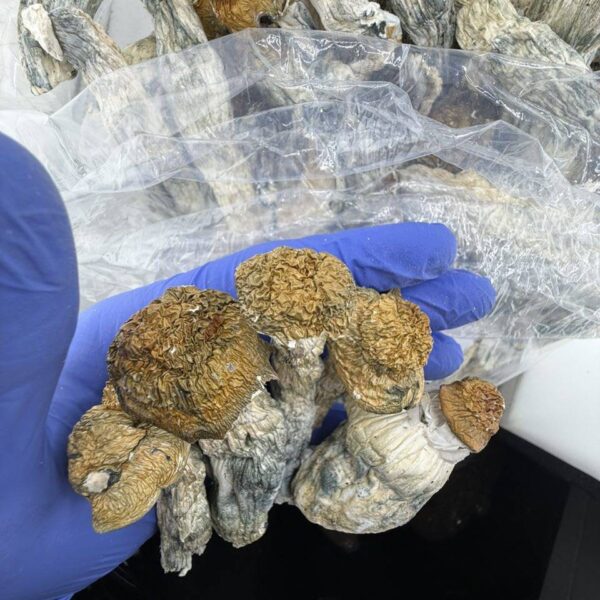
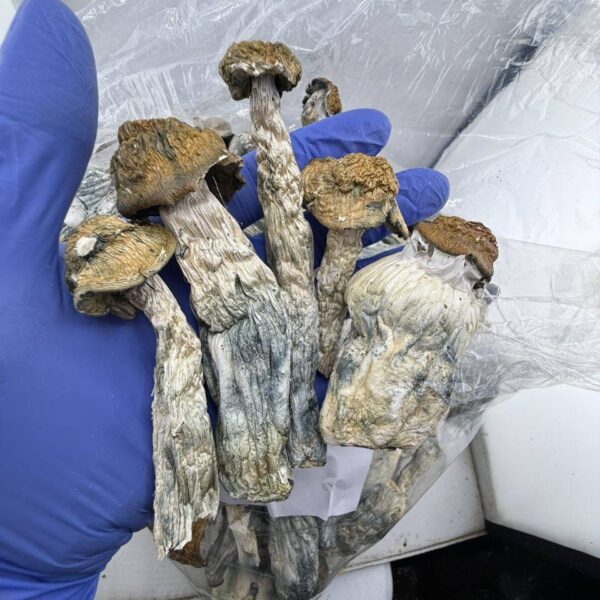
One of the most notable aspects of Albino Bluey Vuitton mushrooms is their appearance. In particular, their coloration often distinguishes them from many conventional mushroom varieties.
Cap Structure
The caps typically display pale coloration due to reduced pigmentation. Depending on environmental conditions, they may appear white, ivory, cream-colored, or faintly bluish.
Additionally, cap shapes can vary throughout development. Young specimens often exhibit rounded or convex caps. As maturation progresses, however, the cap may flatten and expand.
Environmental variables influence appearance significantly. Therefore, lighting, humidity, temperature, and genetics all contribute to final morphology.
Stem Characteristics
The stems frequently appear thick and robust. Moreover, many observations describe dense tissue and substantial structural integrity.
Because pigmentation remains limited, stems often retain a bright white appearance. Nevertheless, bruising may introduce contrasting blue coloration.
This visual contrast contributes substantially to the variety’s popularity among collectors and enthusiasts.
Bruising Response
Bruising represents one of the most frequently discussed characteristics of Albino Bluey Vuitton mushrooms.
When physical pressure damages mushroom tissue, oxidation reactions occur. Consequently, blue discoloration may develop in affected areas. Researchers generally associate this reaction with compounds related to psilocybin metabolism.
However, bruising intensity does not necessarily indicate potency. Instead, numerous factors influence coloration, including handling methods, environmental conditions, and genetic expression.
Taxonomy and Classification
From a taxonomic perspective, Albino Bluey Vuitton belongs within the broader framework of Psilocybe mushrooms.
Scientific classification generally follows this hierarchy:
Kingdom: Fungi
Division: Basidiomycota
Class: Agaricomycetes
Order: Agaricales
Family: Hymenogastraceae
Genus: Psilocybe
Understanding taxonomy helps researchers compare varieties and identify relationships among different fungal groups.
Furthermore, classification systems support scientific communication across international communities.
Genetics and Variation
Genetics play a critical role in mushroom development. Consequently, even closely related specimens may display noticeable differences.
Several factors contribute to variation:
- Genetic recombination
- Environmental influences
- Cultivation practices
- Selective breeding
- Mutation events
As researchers continue studying fungal genetics, understanding of strain development continues to improve.
Moreover, advances in sequencing technologies provide valuable insights into hereditary traits and evolutionary relationships.
Environmental Requirements
Like many fungi, Albino Bluey Vuitton mushrooms depend upon suitable environmental conditions.
Temperature
Temperature influences growth rates, metabolism, and fruiting behavior.
Generally, moderate temperature ranges support healthy development. However, exact requirements may vary according to specific genetic lines.
Humidity
Humidity plays an equally important role.
Because mushrooms consist largely of water, maintaining adequate moisture supports proper growth and structural development. Conversely, insufficient humidity may produce deformities or reduced yields.
Fresh Air Exchange
Fresh air exchange contributes significantly to healthy fruiting conditions.
Adequate airflow helps regulate carbon dioxide concentrations. Furthermore, it promotes normal morphological development and reduces environmental stress.
Lighting
Although mushrooms do not photosynthesize, light remains important.
Instead, light functions as a developmental signal. Consequently, appropriate lighting can influence orientation and fruiting behavior.
Role in Mycological Research
Interest in Albino Bluey Vuitton extends beyond cultivation communities.
Researchers often study mushroom varieties to better understand:
- Genetic diversity
- Evolutionary processes
- Secondary metabolites
- Environmental adaptation
- Fungal physiology
Therefore, individual varieties may contribute valuable information to broader scientific investigations.
As fungal research expands, understanding these organisms becomes increasingly important.
Community Interest and Documentation
Online communities have played a substantial role in documenting Albino Bluey Vuitton mushrooms.
Through photographs, cultivation journals, and observational reports, enthusiasts share information regarding growth characteristics and environmental responses.
Consequently, collective knowledge continues to grow.
However, community reports should not replace scientific research. Instead, they serve as supplementary observations that may inspire further investigation.
Conservation and Fungal Diversity
Fungi represent one of Earth’s most important biological kingdoms.
They contribute to nutrient cycling, ecosystem stability, decomposition processes, and symbiotic relationships.
Therefore, studying unique varieties encourages broader appreciation for fungal biodiversity.
Furthermore, conservation efforts increasingly recognize fungi as essential ecological components deserving protection and research attention.
Legal Considerations
Legal regulations concerning psilocybin-containing mushrooms vary widely across jurisdictions.
Some regions prohibit possession, cultivation, distribution, or consumption. Others have implemented decriminalization measures or approved limited medical research programs.
Consequently, individuals should familiarize themselves with applicable local laws before engaging in activities involving regulated fungi.
Because legal frameworks continue evolving, consulting current official sources remains essential.
Scientific Interest in Psilocybin
During recent years, scientific interest in psilocybin has expanded considerably.
Researchers investigate potential applications in areas including:
- Depression research
- Anxiety research
- Addiction studies
- End-of-life psychological support
- Neurological investigations
Although findings appear promising in certain contexts, ongoing research remains necessary.
Therefore, scientific conclusions continue developing as additional evidence becomes available.
Future Research Directions
Future studies may provide greater understanding of Albino Bluey Vuitton mushrooms and related varieties.
Potential research topics include:
- Genetic sequencing
- Metabolomic analysis
- Environmental adaptation
- Phenotypic stability
- Evolutionary relationships
Additionally, advances in biotechnology may enable more detailed examination of fungal characteristics than ever before.
As knowledge expands, researchers will likely gain deeper insight into the complexity of fungal biology.
Conclusion
Albino Bluey Vuitton mushrooms represent an intriguing example of modern fungal diversity. Their pale appearance, distinctive bruising reactions, and unique genetic background have generated substantial interest among mycology enthusiasts and researchers alike.
Furthermore, their study contributes to broader understanding of fungal genetics, morphology, and environmental adaptation. Although much remains to be learned, ongoing research and community documentation continue to expand available knowledge.
Ultimately, Albino Bluey Vuitton mushrooms highlight the remarkable diversity present within the fungal kingdom. By approaching these organisms from an educational and scientific perspective, researchers and enthusiasts can better appreciate their biological significance while supporting responsible and informed discussion.
Reviews
There are no reviews yet.