
Penis Envy Mushrooms: History, Characteristics, Potency, Research, Risks, and Legal Status
Introduction
Penis Envy mushrooms are among the most recognizable varieties of Psilocybe cubensis. They have gained attention within mycology communities because of their unusual appearance and their reputation for containing relatively high concentrations of psilocybin and psilocin compared with many other P. cubensis varieties. However, interest in Penis Envy mushrooms extends beyond their potency. Researchers, educators, and mycology enthusiasts also study them because they represent an interesting example of genetic variation within a well-known mushroom species.
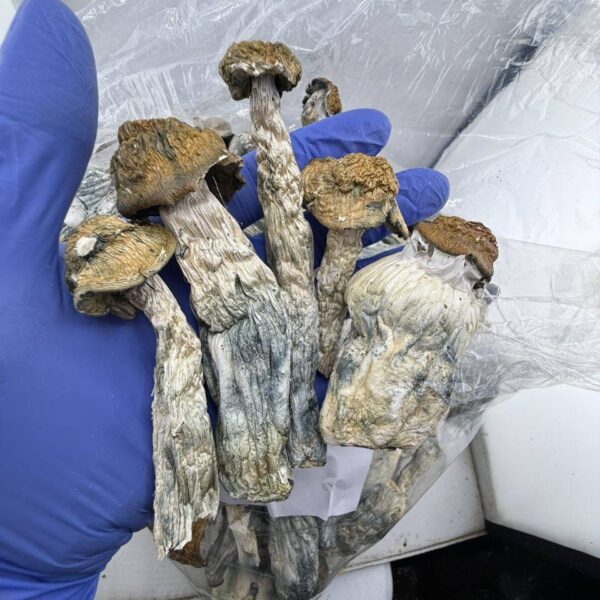
penis envy mushrooms
Understanding Penis Envy mushrooms requires looking at several topics rather than focusing on one characteristic alone. Their history, physical features, scientific significance, and legal status all contribute to why they are frequently discussed. At the same time, it is important to recognize that psilocybin-containing mushrooms can produce powerful changes in perception, mood, and thinking. Therefore, they also carry risks that should not be overlooked.
This guide provides an educational overview of Penis Envy mushrooms. It explains where they originated, how they differ from other Psilocybe cubensis varieties, what modern research says about psilocybin, and why laws surrounding these mushrooms differ from one country to another. Additionally, the article explores common misconceptions while emphasizing the importance of responsible scientific education.
What Are Penis Envy Mushrooms?
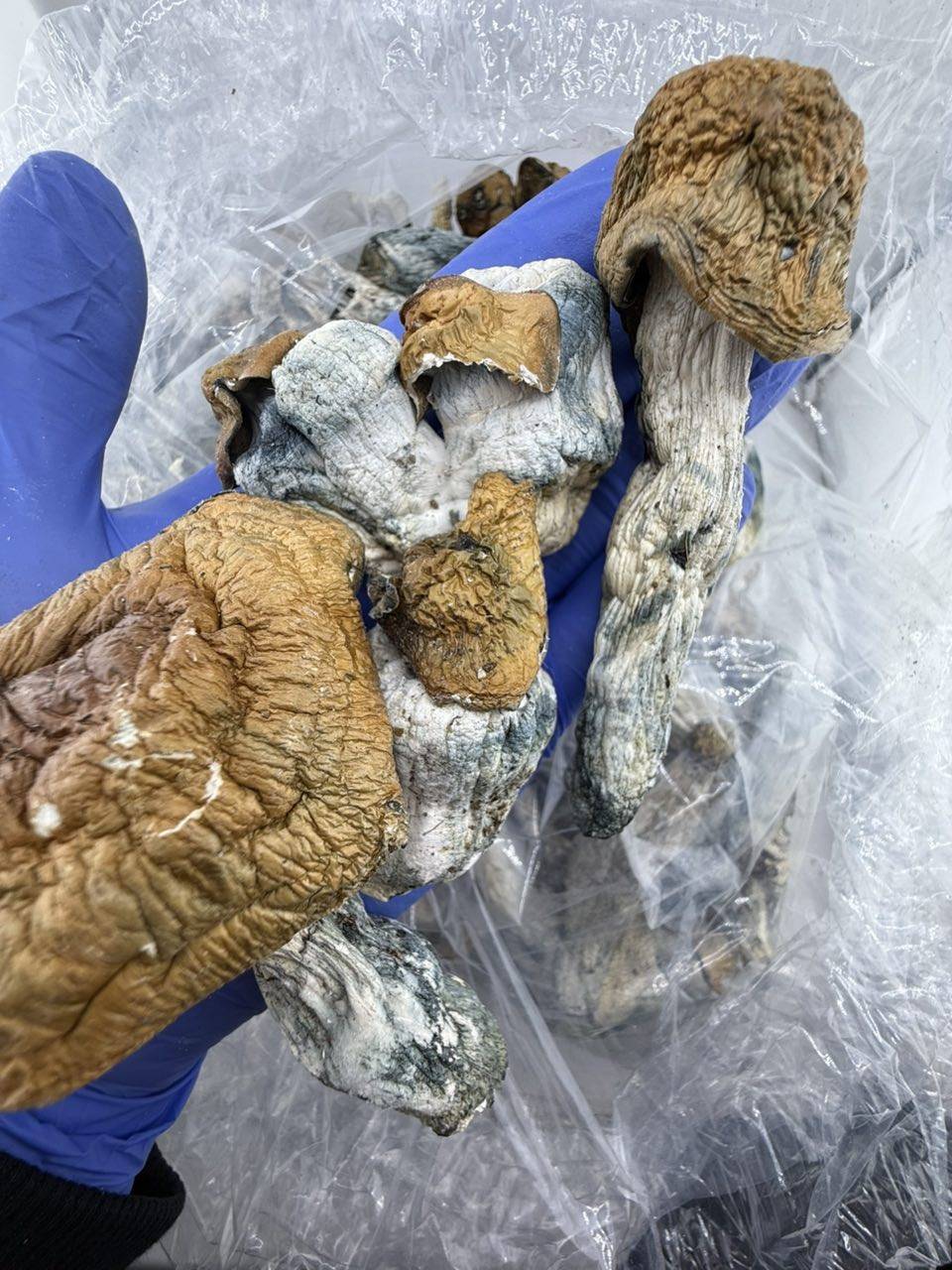
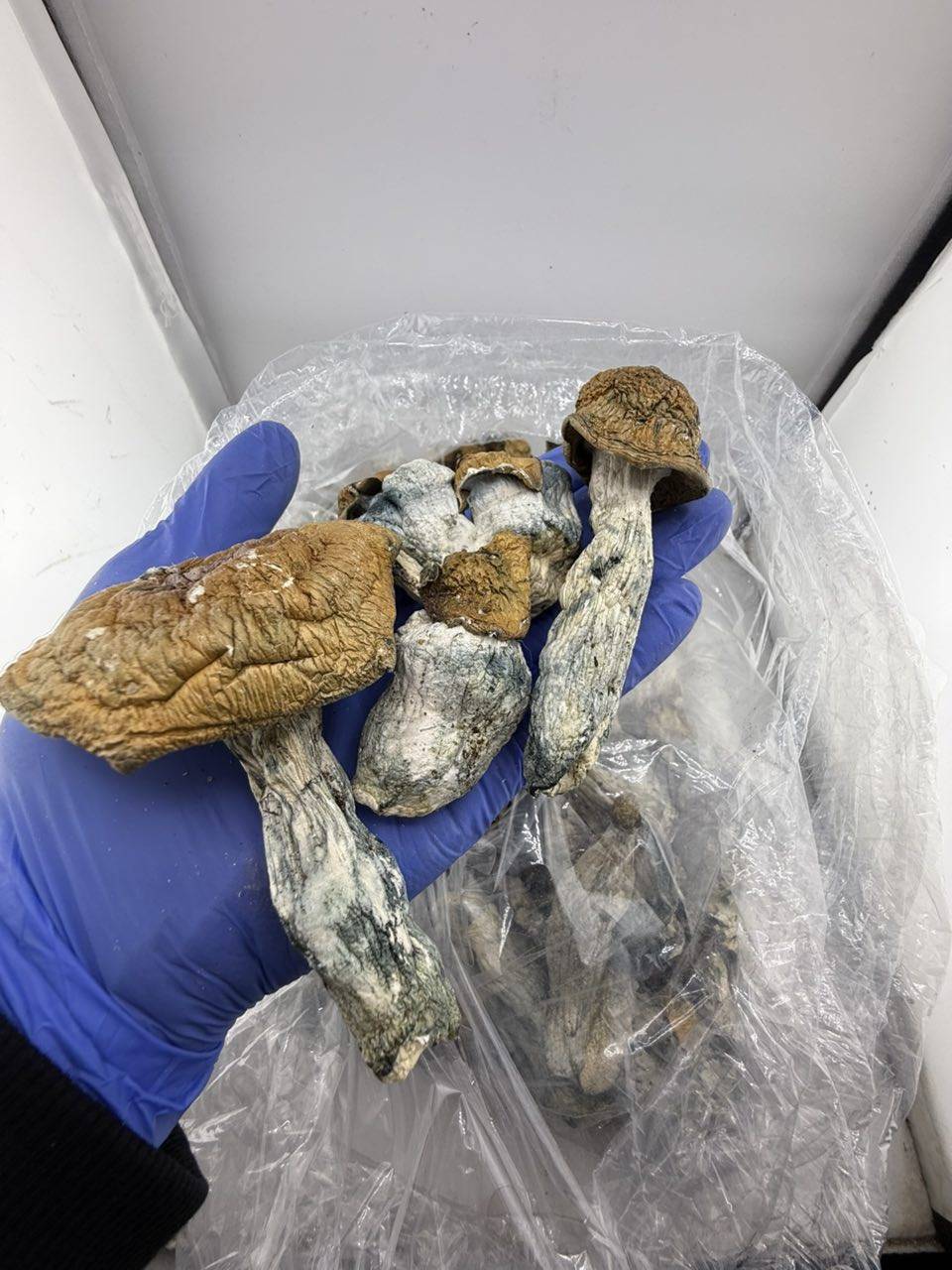
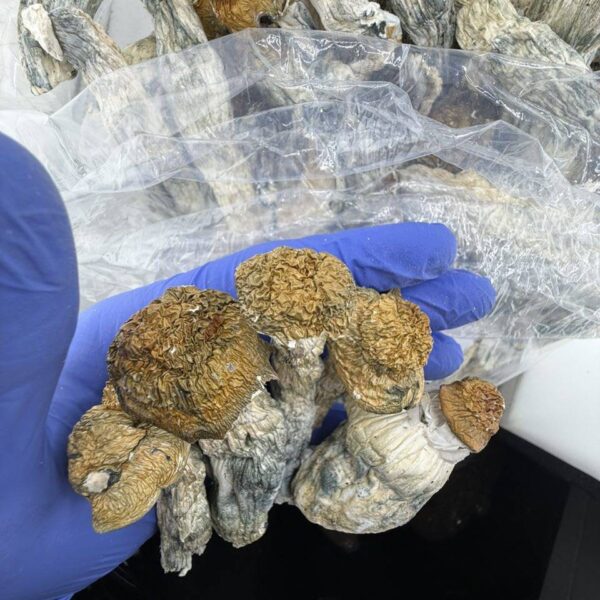
Penis Envy is a cultivated variety of Psilocybe cubensis, one of the best-known psilocybin-producing mushroom species. Unlike ordinary P. cubensis mushrooms, Penis Envy mushrooms develop thick stems and relatively small caps. Because of this distinctive shape, the variety received its unusual name.
Although all Penis Envy mushrooms belong to the same species as standard P. cubensis, they often display unique growth characteristics. For example, they frequently produce fewer spores than many other cultivated varieties. As a result, cultivators have relied on cloning techniques more often than spore propagation to preserve consistent traits.
Furthermore, the variety has become well known within mycology circles because laboratory analyses have found that some samples contain higher concentrations of naturally occurring psilocybin and psilocin than average P. cubensis mushrooms. Nevertheless, potency can vary significantly depending on genetics, cultivation conditions, storage, and testing methods.
History and Origins
The precise origin of Penis Envy mushrooms remains uncertain. Several stories circulate within the mycology community, yet few historical records conclusively verify them.
One popular account suggests that the famous ethnomycologist Terence McKenna encountered unusual Psilocybe cubensis specimens during travels in South America. According to this story, these mushrooms eventually contributed to the development of the Penis Envy variety through selective cultivation. However, this claim has never been fully documented, and researchers continue to debate its accuracy.
Regardless of its exact origin, the variety became increasingly popular among mycology enthusiasts during the late twentieth century. Since then, selective breeding has produced numerous related varieties, including Albino Penis Envy (APE), Melmac, PE6, and several other hybrids.
Today, Penis Envy represents one of the most recognized cultivated varieties of Psilocybe cubensis. Even so, scientists generally classify these mushrooms as a cultivated variety rather than a separate species.
Physical Characteristics
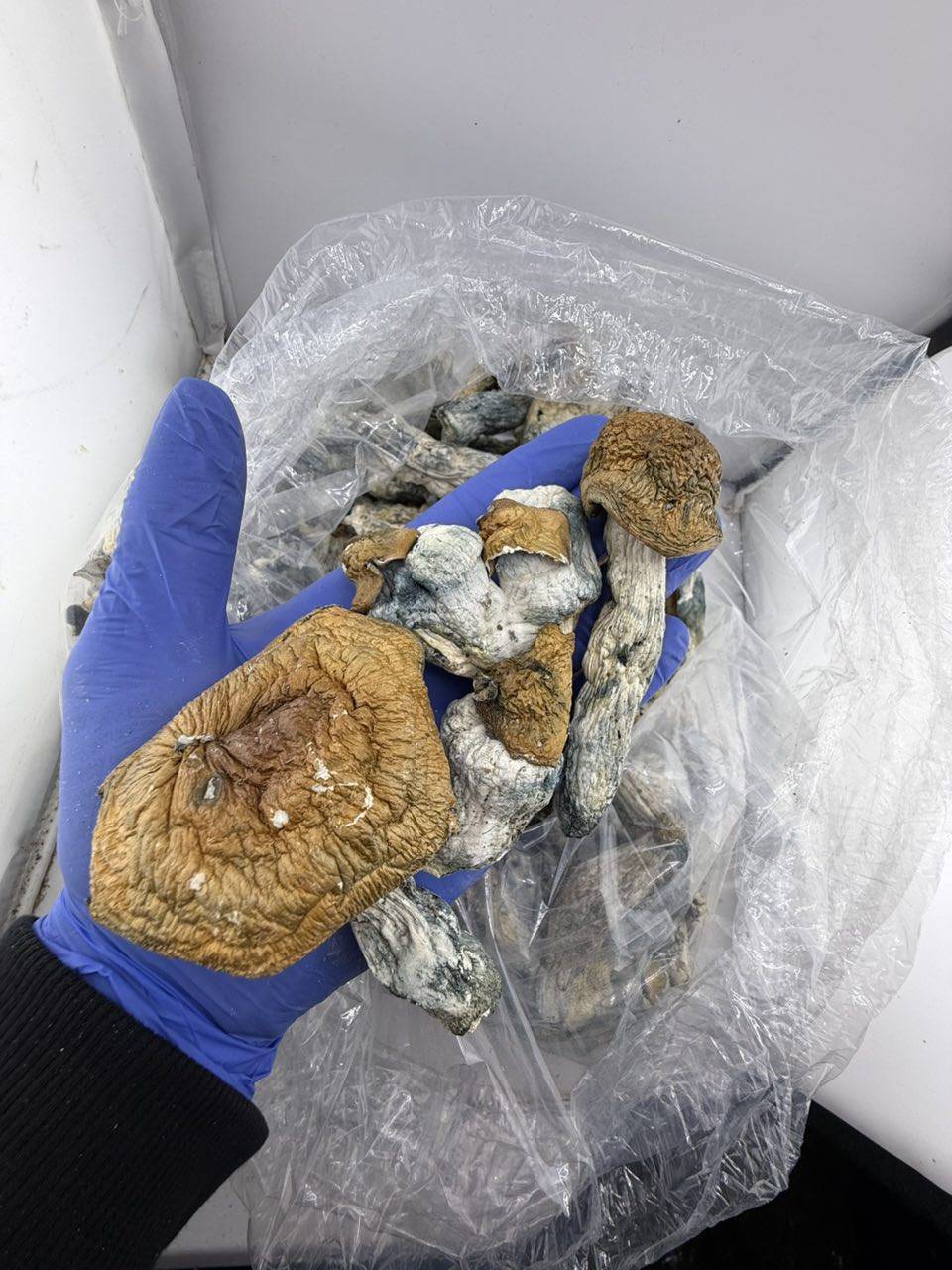
One of the defining features of Penis Envy mushrooms is their distinctive appearance.
Typical characteristics include:
- Thick, dense stems
- Small caps that often remain partially closed
- A compact overall structure
- White to light tan coloration
- Bluish bruising after handling due to oxidation of psilocin
Compared with many other P. cubensis varieties, Penis Envy mushrooms often appear shorter but heavier. Additionally, their dense flesh gives them a more substantial feel than mushrooms with thinner stems.
Because environmental conditions influence growth, individual specimens may vary considerably. Nevertheless, experienced mycologists can usually recognize the variety based on its characteristic morphology.
How Penis Envy Differs from Other Psilocybe cubensis Varieties
Although Penis Envy belongs to the same species as many other cultivated varieties, several differences are commonly noted.
First, the mushrooms typically exhibit thicker stems and smaller caps. Second, many cultivated lines produce fewer viable spores. Third, laboratory analyses of some samples have reported relatively higher concentrations of psilocybin and psilocin than average P. cubensis varieties.
However, it is important to avoid assuming that every Penis Envy mushroom is equally potent. Genetics, cultivation practices, drying methods, storage conditions, and laboratory testing techniques can all influence measured alkaloid concentrations.
Consequently, researchers generally emphasize that potency exists on a spectrum rather than as a fixed characteristic.
Scientific Research on Psilocybin
Modern scientific interest focuses primarily on psilocybin rather than individual mushroom varieties. Psilocybin is converted into psilocin within the human body, where it interacts with serotonin receptors, particularly the 5-HT2A receptor.
During the past decade, researchers have investigated psilocybin-assisted therapy for several conditions, including treatment-resistant depression, major depressive disorder, anxiety associated with life-threatening illness, alcohol use disorder, and tobacco dependence. Although early clinical results appear promising, these treatments remain highly regulated and are performed under carefully controlled medical supervision.
Importantly, research on therapeutic applications does not mean that self-medication is safe or appropriate. Scientists continue to study optimal dosing, long-term outcomes, safety considerations, and patient selection.
Potency and Chemical Composition
Penis Envy mushrooms are widely discussed because many laboratory analyses have found relatively high concentrations of psilocybin and psilocin in some samples when compared with numerous other Psilocybe cubensis varieties. Even so, it is important to understand that potency is not fixed. Every mushroom is a natural organism, and its chemical composition can vary for many reasons.
Several factors influence the concentration of naturally occurring compounds. Genetics plays a major role, but environmental conditions also affect development. Temperature, humidity, growing medium, harvesting time, drying techniques, and long-term storage all contribute to the final chemical profile. Consequently, two mushrooms from the same variety may not contain identical amounts of psilocybin or psilocin.
Scientists analyze these compounds using laboratory techniques such as high-performance liquid chromatography (HPLC). These methods provide a more reliable understanding of alkaloid content than visual appearance alone. A mushroom’s size, color, or shape does not accurately predict its chemical composition.
Research also continues to investigate other naturally occurring compounds found in Psilocybe mushrooms. While psilocybin and psilocin remain the primary focus, researchers are studying additional compounds to determine whether they contribute to the mushrooms’ overall biological effects. However, much of this work is still in its early stages, and additional evidence is needed before firm conclusions can be drawn.
Potential Risks and Side Effects
Although scientific research has expanded significantly in recent years, psilocybin-containing mushrooms are not free from risks. Their effects can vary considerably depending on individual factors, environmental circumstances, and psychological state.
Some commonly reported short-term effects include changes in visual perception, altered sense of time, intensified emotions, and shifts in thought patterns. These experiences may be positive for some individuals but distressing for others. Confusion, anxiety, fear, or panic can occur, particularly in unfamiliar or stressful environments.
Physical effects may include:
- Dilated pupils
- Increased heart rate
- Mild elevation in blood pressure
- Nausea
- Dizziness
- Sweating
- Impaired coordination
Additionally, people with a personal or family history of certain psychiatric disorders may face increased risks. Because of this, clinical research involving psilocybin typically includes extensive screening procedures and professional supervision.
Another important consideration is accurate identification. Numerous wild mushrooms resemble psilocybin-containing species, yet some look-alikes are highly toxic. For this reason, mycologists strongly advise against relying on visual similarity alone when identifying wild mushrooms.
Current Scientific Research
Interest in psilocybin research has increased dramatically over the past decade. Universities and medical institutions around the world are conducting carefully controlled studies to better understand its potential therapeutic applications.
Researchers have explored psilocybin-assisted therapy for several conditions, including major depressive disorder, treatment-resistant depression, anxiety associated with serious illness, alcohol use disorder, and tobacco dependence. These investigations are conducted under strict ethical guidelines and involve medical professionals who monitor participants throughout the process.
Current evidence suggests that psilocybin may have therapeutic potential in specific clinical settings. Nevertheless, researchers consistently emphasize that more large-scale studies are necessary before broader conclusions can be reached. Questions remain regarding long-term safety, optimal treatment protocols, and which patients may benefit the most.
Importantly, findings from clinical trials should not be interpreted as support for unsupervised use. The conditions under which research is conducted differ substantially from uncontrolled environments.
Legal Status Around the World
The legal status of psilocybin mushrooms varies widely between countries and even between regions within the same country. In many jurisdictions, psilocybin remains a controlled substance, making possession, cultivation, or distribution illegal.
Some countries have adopted limited medical or research frameworks that allow licensed institutions to study psilocybin under regulated conditions. In a few locations, local policies have shifted toward reduced enforcement or carefully controlled therapeutic programs.
Because laws continue to evolve, individuals interested in this topic should consult current regulations within their own jurisdiction rather than relying on outdated information.
Common Myths and Misconceptions
Myth 1: All Penis Envy mushrooms have identical potency.
This is inaccurate. Like many natural organisms, individual mushrooms can vary in chemical composition due to genetics and environmental conditions.
Myth 2: Appearance indicates chemical strength.
A mushroom’s size, color, or shape cannot reliably determine its concentration of psilocybin or psilocin.
Myth 3: Natural substances are automatically safe.
Many naturally occurring organisms produce compounds that can be harmful under certain circumstances. Natural origin does not eliminate potential risks.
Myth 4: Scientific research proves recreational use is safe.
Clinical studies occur under carefully controlled conditions with medical oversight. These findings should not be generalized to unsupervised settings.
Frequently Asked Questions
What species do Penis Envy mushrooms belong to?
They are generally classified as a cultivated variety of Psilocybe cubensis.
Why are they so well known?
They are recognized for their distinctive appearance and their reputation within mycology communities for relatively high concentrations of psilocybin in some laboratory-tested samples.
Are all Penis Envy mushrooms identical?
No. Natural biological variation means that appearance, growth characteristics, and chemical composition may differ among individual specimens.
Why are scientists interested in psilocybin?
Researchers are investigating its potential therapeutic applications in controlled clinical settings while continuing to evaluate safety, effectiveness, and long-term outcomes.
Conclusion
Penis Envy mushrooms remain one of the most recognizable cultivated varieties of Psilocybe cubensis. Their unusual appearance, complex history, and scientific significance have made them a frequent subject of discussion among researchers and mycology enthusiasts alike.
At the same time, interest in these mushrooms extends beyond their physical characteristics. Ongoing research into psilocybin continues to improve scientific understanding of its effects on the brain and its potential role in carefully supervised therapeutic settings. Nevertheless, much remains to be learned, and many questions continue to be investigated through rigorous clinical research.
As the scientific landscape evolves, education remains essential. Understanding the biology, chemistry, history, and legal context of Penis Envy mushrooms allows readers to separate evidence-based information from common misconceptions. Whether viewed from a mycological, scientific, or historical perspective, these mushrooms represent an important topic of ongoing research rather than one with simple or definitive answers.
Reviews
There are no reviews yet.