
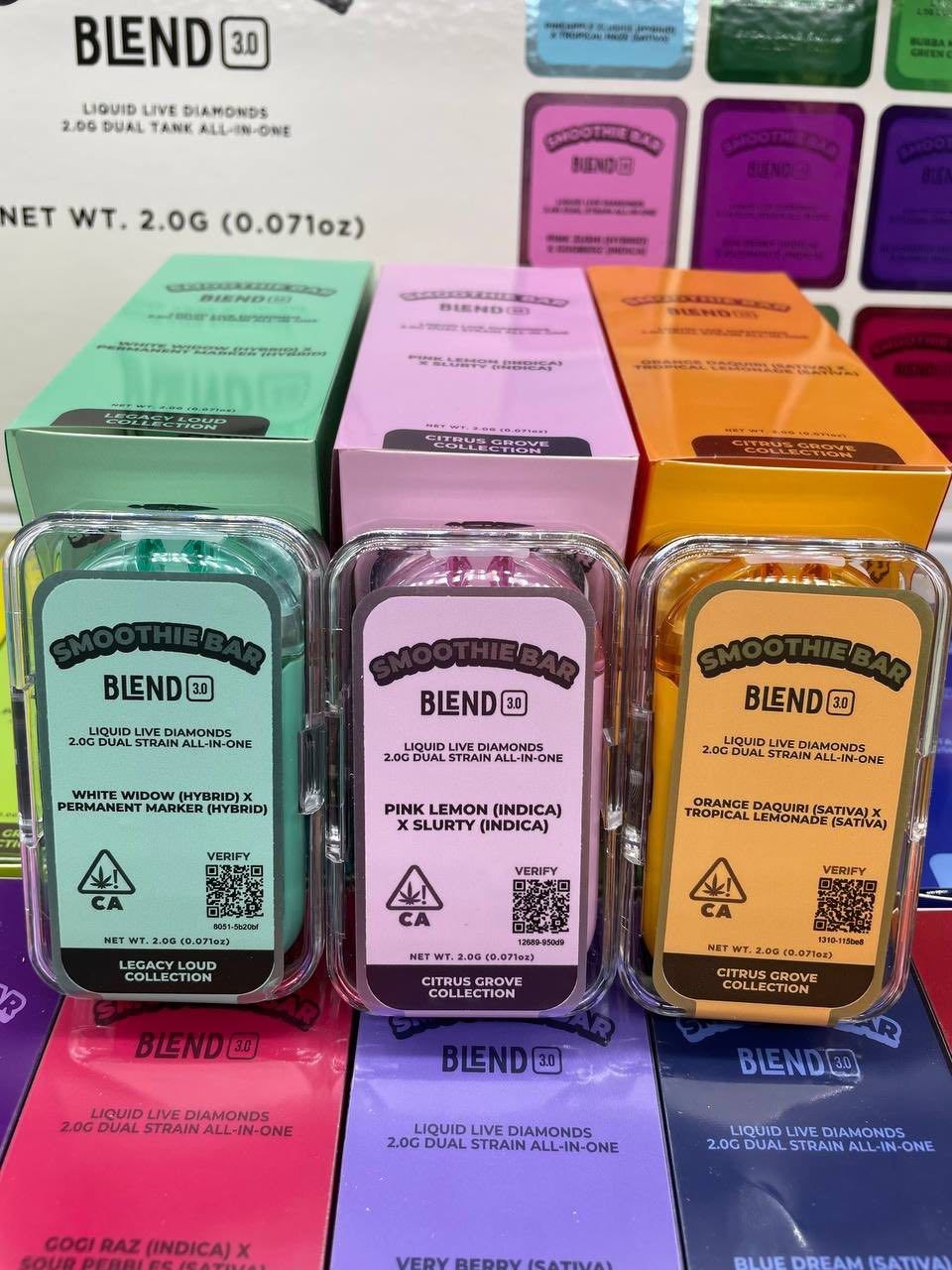
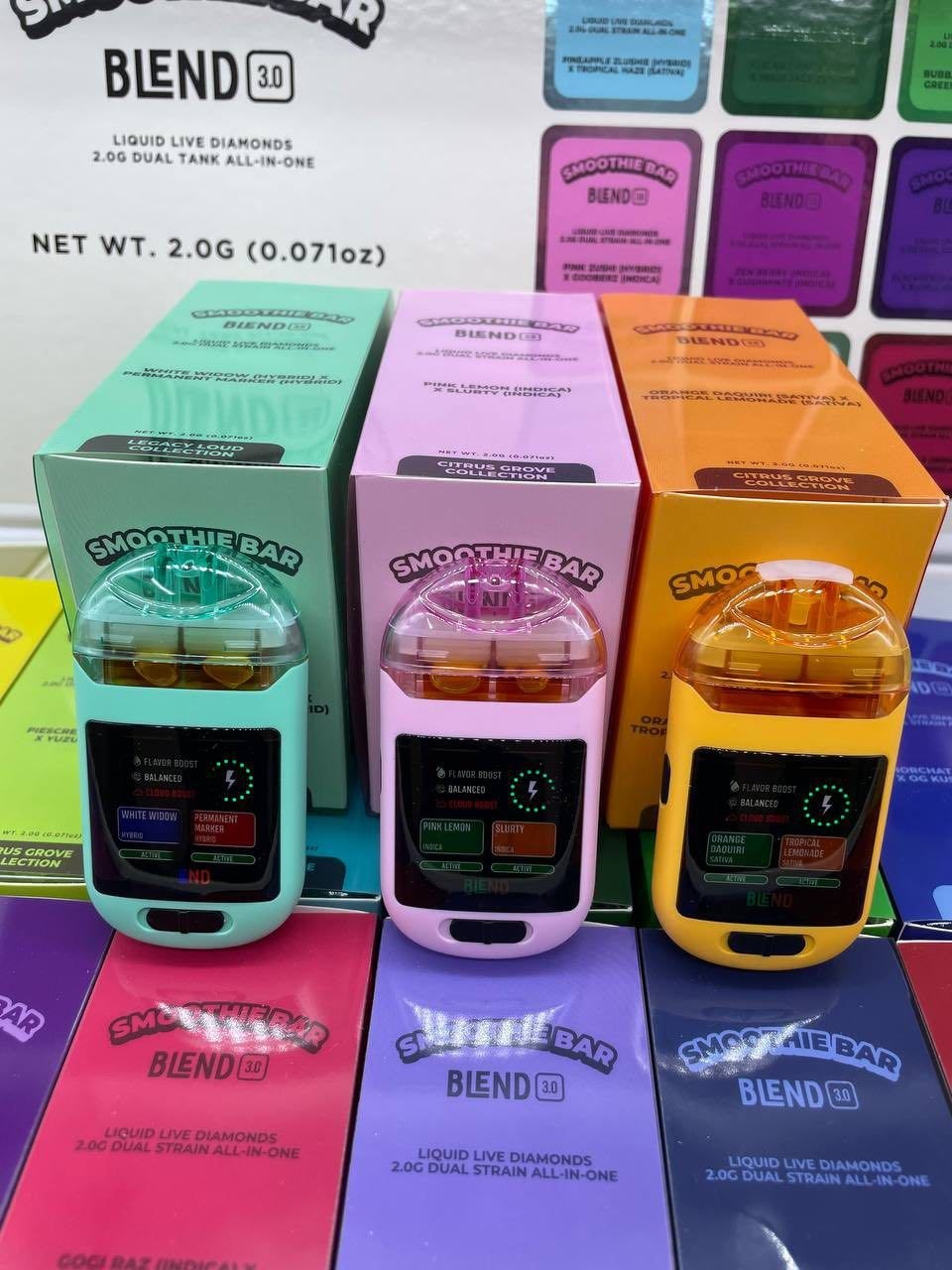
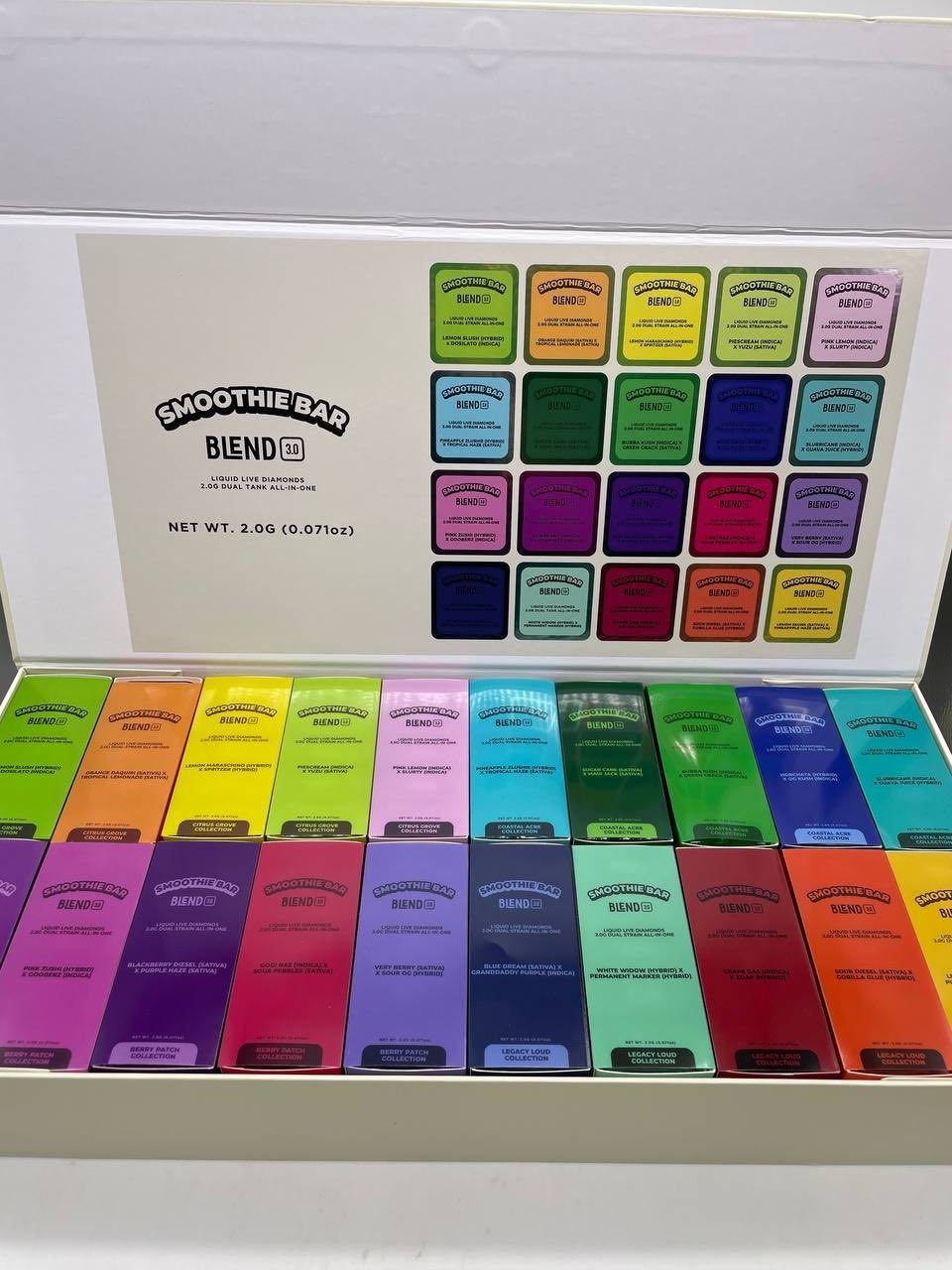

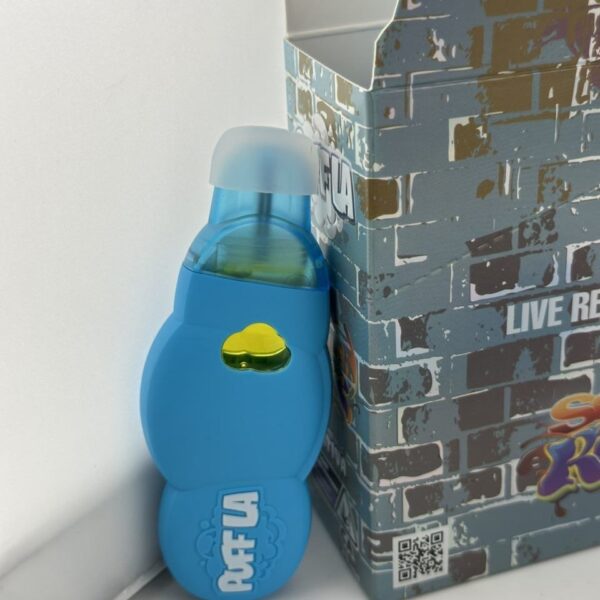
Smoothie Bar Blend 3.0 Dual Strain 2G – Compact System Overview
Introduction to the Smoothie Bar Blend 3.0 System
The Smoothie Bar Blend 3.0 Dual Strain 2G is positioned within the compact device category that emphasizes portability, structured internal design, and simplified system interaction. Moreover, devices in this category are engineered to combine efficiency with ease of use, and because of this, they are widely recognized for their practical integration into everyday environments. In addition, the “3.0” designation reflects a progression in system development, where refinements in internal structure and external presentation are introduced over successive iterations.
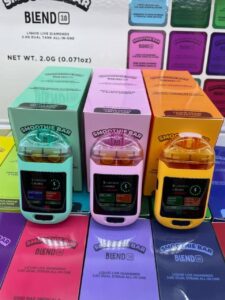
smoothie bar blend 3.0 dual strain 2g
As a result, the Blend 3.0 system represents a more advanced stage of compact device engineering. Furthermore, the dual-structure concept introduces an additional layer of system complexity while maintaining simplicity in operation. Consequently, the device category continues to evolve toward greater internal balance and refined usability.
Product Overview and System Classification
The Smoothie Bar Blend 3.0 Dual Strain 2G belongs to a segment of compact systems designed around balanced capacity and structured internal pathways. Moreover, the 2G classification highlights a mid-range capacity framework, and because of this, the system is able to maintain both portability and operational efficiency. In addition, the dual-structure configuration suggests a more intricate internal layout compared to single-channel systems.
Furthermore, compact integration ensures that multiple internal elements function cohesively within a limited space. As a result, the system maintains consistent internal organization without increasing physical size. Consequently, this classification reflects a growing trend toward multifunctional compact systems.
Key System Features and Structural Elements
Dual Internal Configuration
The dual-structure design allows for multiple internal pathways to operate within a single compact framework. Moreover, this configuration supports a more dynamic internal system, and because of this, it introduces additional flexibility in how the system is structured. In addition, internal separation helps maintain organized flow within the device.
Compact 2G System Design
The 2G format ensures that the device remains portable while still offering a balanced internal capacity. Furthermore, this design approach supports efficient space utilization, and as a result, the device retains its compact form factor. Consequently, portability and functionality are maintained simultaneously.
Refined External Structure
The external build reflects a streamlined and modern design philosophy. Moreover, the device is structured to provide both durability and visual consistency, and because of this, it maintains a polished appearance. In addition, the refined exterior supports ease of handling and everyday usability. Smoothie Bar Blend 3.0 Dual Strain 2G Smoothie Bar Blend 3.0 Dual Strain 2G Smoothie Bar Blend 3.0 Dual Strain 2G Smoothie Bar Blend 3.0 Dual Strain 2G
Performance and Internal System Behavior
Performance in compact dual-structure systems depends heavily on internal alignment, airflow balance, and coordinated system operation. Moreover, the Smoothie Bar Blend 3.0 is associated with controlled internal pathways, and because of this, it maintains a more predictable operational pattern. In addition, the dual configuration requires precise alignment to ensure consistency.
Furthermore, structured internal design helps reduce irregular fluctuations. As a result, the system demonstrates more stable behavior over time. Consequently, performance consistency becomes a defining characteristic of this category.
Design and Build Quality
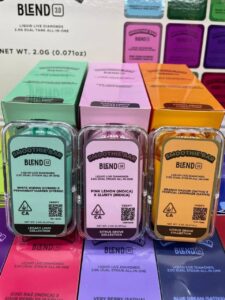
smoothie bar blend 3.0 dual strain 2g
The design of the Smoothie Bar Blend 3.0 focuses on compact engineering combined with structural durability. Moreover, internal components are arranged to maintain alignment, and because of this, the system remains balanced during use. In addition, the outer housing is developed to protect internal elements while preserving a lightweight profile.
Furthermore, the integration of durability and compact design ensures long-term usability. As a result, the device maintains both functional and structural integrity. Consequently, build quality plays a central role in system performance.
Flavor Profile Concept (System Perspective)
The concept of “blend” in the Smoothie Bar Blend 3.0 refers to a dual-structure configuration that allows for varied internal composition. Moreover, this approach introduces a layered system concept, and because of this, it reflects a more complex internal arrangement compared to single-structure designs. In addition, the idea of blending highlights the evolution of compact system development.
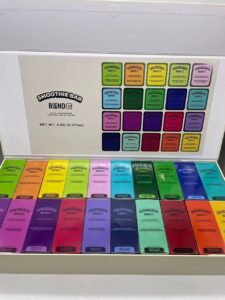
smoothie bar blend 3.0 dual strain 2g
Furthermore, the naming convention emphasizes diversity within a unified system. As a result, the device category continues to expand toward more dynamic configurations. Consequently, the blend concept becomes a defining aspect of the product identity.
Usage Guidance and Operational Simplicity
The Smoothie Bar Blend 3.0 Dual Strain 2G is designed for simplified operation. Moreover, the system reduces unnecessary interaction steps, and because of this, it remains accessible for a wide range of users. In addition, intuitive functionality supports consistent use without requiring detailed configuration.
Furthermore, proper storage conditions help maintain internal stability. As a result, keeping the device in a controlled environment supports long-term consistency. Consequently, usability remains one of the strongest aspects of this category.
Benefits of Dual-Structure Compact Systems
Dual-structure compact systems offer advantages related to flexibility, efficiency, and structured internal organization. Moreover, the ability to integrate multiple internal pathways enhances system versatility, and because of this, the device category becomes more dynamic. In addition, compact design ensures that portability is maintained.
Furthermore, structured integration supports reliable performance. As a result, users benefit from a more organized and consistent system. Consequently, the dual-structure concept continues to gain relevance in compact device engineering.
Safety and Storage Considerations
Proper handling and storage are important for maintaining system stability. Moreover, environmental factors such as temperature and humidity can influence internal conditions, and because of this, controlled storage is recommended. In addition, avoiding extreme environments helps preserve structural integrity.
Furthermore, responsible handling contributes to long-term reliability. As a result, the system remains consistent across usage cycles. Consequently, maintenance practices play a role in overall performance.
Summary and Closing Statement
The Smoothie Bar Blend 3.0 Dual Strain 2G represents a refined stage in compact device engineering, where dual-structure integration, portability, and simplified operation are combined within a cohesive system. Moreover, its structured design reflects modern trends in compact system development, and because of this, it maintains relevance within an evolving market.
In addition, ongoing improvements in internal architecture continue to enhance consistency and usability. As a result, the device category remains aligned with user expectations for efficiency and convenience. Furthermore, the blend concept introduces a dynamic element that supports continued innovation. Consequently, the Smoothie Bar Blend 3.0 stands as a representation of how compact systems are evolving toward greater balance and refinement.
Advanced Dual-Channel Coordination
The dual-channel architecture within the Smoothie Bar Blend 3.0 system is designed to support coordinated internal operation while maintaining a compact structure. Moreover, each channel is aligned to function within a controlled pathway, and because of this, internal balance is preserved across usage cycles. In addition, separation between channels helps maintain organized internal flow, which contributes to overall system clarity.
Furthermore, coordinated channel behavior ensures that internal processes remain synchronized. As a result, the system demonstrates smoother operational patterns. Consequently, dual-channel coordination becomes a defining technical feature within this category of compact systems.
Internal Flow Management and Structural Harmony
Internal flow management plays a central role in maintaining consistency in compact devices. Moreover, the Smoothie Bar Blend 3.0 is structured to guide internal movement efficiently, and because of this, the system avoids irregular behavior. In addition, structured pathways support balanced internal interaction between components. Smoothie Bar Blend 3.0 Dual Strain 2G Smoothie Bar Blend 3.0 Dual Strain 2G Smoothie Bar Blend 3.0 Dual Strain 2G Smoothie Bar Blend 3.0 Dual Strain 2G
Furthermore, harmony within the system ensures that no single element disrupts overall functionality. As a result, the device maintains a stable operational environment. Consequently, structural harmony enhances both performance consistency and long-term reliability.
Efficiency in Compact System Design
Efficiency is a core principle in compact system engineering, and the Smoothie Bar Blend 3.0 reflects this through optimized internal organization. Moreover, the device is designed to use available space effectively, and because of this, it maintains a balance between size and functionality. In addition, efficient design reduces unnecessary internal complexity.
Furthermore, streamlined structure contributes to smoother operation. As a result, the system performs within a predictable range. Consequently, efficiency remains a central element in evaluating compact device systems.
Integration of Multiple Functional Elements
The integration of multiple internal elements within a compact system requires precise coordination and design clarity. Moreover, the Smoothie Bar Blend 3.0 demonstrates an approach where different functions are combined into a unified structure, and because of this, the device maintains operational simplicity. In addition, integration reduces fragmentation within the system.
Furthermore, unified design supports better communication between internal components. As a result, the system operates with improved consistency. Consequently, integration becomes a key factor in achieving overall system balance. Smoothie Bar Blend 3.0 Dual Strain 2G Smoothie Bar Blend 3.0 Dual Strain 2G Smoothie Bar Blend 3.0 Dual Strain 2G Smoothie Bar Blend 3.0 Dual Strain 2G
Adaptation to Evolving Design Standards
Modern compact devices are shaped by evolving design standards that emphasize simplicity, efficiency, and reliability. Moreover, the Smoothie Bar Blend 3.0 aligns with these trends, and because of this, it reflects current expectations for structured system performance. In addition, ongoing refinement in compact engineering continues to influence product development.
Furthermore, adaptation to new standards ensures that devices remain relevant in changing environments. As a result, the category continues to progress toward improved functionality. Consequently, design evolution remains an ongoing process in compact system engineering.
Structural Durability and Material Strength
Durability is an essential consideration for compact devices, especially when internal components must remain protected within a small framework. Moreover, the Smoothie Bar Blend 3.0 is associated with a structure that supports material strength, and because of this, it maintains stability during regular handling. In addition, durable construction helps preserve internal alignment.
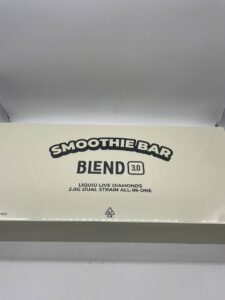
smoothie bar blend 3.0 dual strain 2g
Furthermore, material strength contributes to long-term reliability. As a result, the system remains consistent over extended usage. Consequently, durability becomes an important factor in overall product quality.
User-Centered Interaction Model
A user-centered interaction model ensures that the device remains accessible and easy to understand. Moreover, the Smoothie Bar Blend 3.0 is aligned with a simplified interaction approach, and because of this, it reduces complexity for users. In addition, intuitive operation supports consistent engagement.
Furthermore, ease of use enhances overall experience. As a result, users can interact with the device without requiring technical knowledge. Consequently, user-centered design strengthens the practicality of the system.
Expanded Technical Perspective
From a broader technical perspective, the Smoothie Bar Blend 3.0 Dual Strain 2G represents a compact system built around dual-channel integration, structured internal pathways, and efficient space utilization. Moreover, these elements work together to create a device that operates within a controlled and predictable framework, and because of this, it maintains consistency across usage cycles. In addition, compact engineering ensures that performance is delivered within a minimal footprint.
Furthermore, the combination of dual-channel design and structured integration reflects advancements in modern compact systems. As a result, the device category continues to evolve toward greater efficiency and balance. Consequently, it contributes to a deeper understanding of how compact electronic systems are designed and refined over time.
System Balance and Output Consistency
System balance remains a central objective in compact dual-channel devices, as it directly influences how consistently the system performs across repeated use. Moreover, the Smoothie Bar Blend 3.0 is structured to maintain equilibrium between its internal channels, and because of this, the overall behavior remains steady rather than uneven. In addition, balanced internal distribution helps reduce strain on individual components, which supports smoother operation.
Furthermore, output consistency is closely tied to how well internal processes are regulated. As a result, systems that maintain stable internal conditions tend to perform more predictably over time. Consequently, balance and consistency are often used as primary benchmarks when evaluating compact system quality.
Controlled Internal Pathways and Flow Regulation
Controlled internal pathways are essential for ensuring that system processes remain organized within a compact structure. Moreover, the Smoothie Bar Blend 3.0 uses structured routing to guide internal flow, and because of this, irregular movement is minimized. In addition, flow regulation helps maintain uniform interaction between system elements.
Furthermore, when pathways are clearly defined, the overall system becomes easier to stabilize. As a result, operational patterns remain more consistent. Consequently, flow regulation becomes a critical factor in maintaining system reliability.
Lightweight Structure and Handling Efficiency
The lightweight nature of compact systems contributes significantly to their practicality and ease of use. Moreover, the Smoothie Bar Blend 3.0 is associated with a design that prioritizes reduced weight, and because of this, it remains easy to handle during everyday use. In addition, efficient weight distribution improves balance during interaction.
Furthermore, handling efficiency enhances overall usability. As a result, users can engage with the system comfortably over extended periods. Consequently, lightweight structure becomes an important feature in defining the convenience of compact devices.
Design Consistency Across Product Variants
Consistency in design across different versions of a product line helps establish a recognizable identity. Moreover, the Smoothie Bar Blend 3.0 reflects a continuation of established design principles, and because of this, it maintains alignment with earlier iterations while introducing refinements. In addition, consistent design language supports familiarity.
Furthermore, maintaining a cohesive structure across variants improves user confidence. As a result, the product line becomes easier to understand and navigate. Consequently, design consistency strengthens overall brand and category recognition.
Interaction Simplicity and Learning Curve
Interaction simplicity is a defining feature of compact systems, particularly for users seeking ease of use. Moreover, the Smoothie Bar Blend 3.0 is designed to reduce complexity, and because of this, the learning curve remains minimal. In addition, straightforward interaction allows users to engage with the system quickly.
Furthermore, simplified operation reduces the likelihood of user error. As a result, the system becomes more reliable in everyday scenarios. Consequently, ease of interaction enhances both accessibility and overall satisfaction.
Environmental Stability and Storage Awareness
Environmental conditions can influence the performance and longevity of compact systems. Moreover, the Smoothie Bar Blend 3.0 benefits from stable storage conditions, and because of this, it is recommended to keep the device in a controlled environment. In addition, avoiding extreme temperatures helps preserve internal balance.
Furthermore, proper storage supports consistent system behavior over time. As a result, users can maintain performance stability throughout the device’s lifecycle. Consequently, environmental awareness plays a role in long-term reliability.
Refined Engineering Approach
The engineering approach behind the Smoothie Bar Blend 3.0 emphasizes precision, integration, and efficiency. Moreover, each internal element is positioned to contribute to the overall balance of the system, and because of this, operational harmony is achieved. In addition, refined engineering supports improved coordination between components.
Furthermore, careful design contributes to a more stable internal environment. As a result, the system operates within a predictable framework. Consequently, refined engineering techniques continue to shape the evolution of compact device systems.
Comprehensive Closing Perspective
The Smoothie Bar Blend 3.0 Dual Strain 2G represents a structured and balanced approach to compact system design, where dual-channel integration, internal organization, and simplified interaction come together in a cohesive format. Moreover, its design reflects modern trends in efficiency and usability, and because of this, it remains aligned with current expectations for portable systems. In addition, the focus on consistency and structured performance highlights the importance of internal balance in compact engineering.
As a result, the device category continues to evolve toward more refined and efficient solutions. Furthermore, ongoing improvements in design and integration contribute to greater stability and usability. Consequently, the Smoothie Bar Blend 3.0 stands as an example of how compact systems continue to advance through thoughtful engineering and continuous refinement.









Admin –
Best by PACKPRO