
Gorilla Glue (GG4) Cannabis Strain – Genetics, Chemistry, and Cultural Overview
Origins and Genetic Lineage of Gorilla Glue
The Gorilla Glue (GG4) Cannabis Strain commonly known as Gorilla Glue, often labeled GG4, originates from a complex hybridization process that combines multiple influential cannabis genetics. It is widely understood that its lineage includes Chem’s Sister, Sour Dubb, and Chocolate Diesel, which together form a genetically dense hybrid profile. Moreover, this combination resulted in a strain that exhibits strong resin production and high potency characteristics. Because of this genetic complexity, GG4 has become one of the most studied hybrid strains in modern cannabis cultivation.
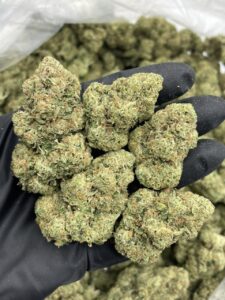
Gorilla Glue (GG4) Cannabis Strain
In addition, the strain was discovered somewhat accidentally during breeding processes, and as a result, its stability was later refined through selective propagation. Furthermore, growers observed that certain phenotypes displayed unusually sticky resin production, which led to the “Gorilla Glue” name due to its adhesive-like trichome structure. Consequently, GG4 gained rapid attention within cultivation communities for its unique physical properties and genetic strength.
Plant Structure and Morphological Characteristics
The physical structure of Gorilla Glue plants is typically dense and robust, reflecting its hybrid nature. The plant develops thick central colas surrounded by heavy lateral branching, which supports substantial bud formation. Moreover, the leaves often exhibit a broad indica-leaning structure, although sativa traits are still present in growth behavior. Because of this balance, GG4 is often categorized as a near-even hybrid in many phenotypic analyses.
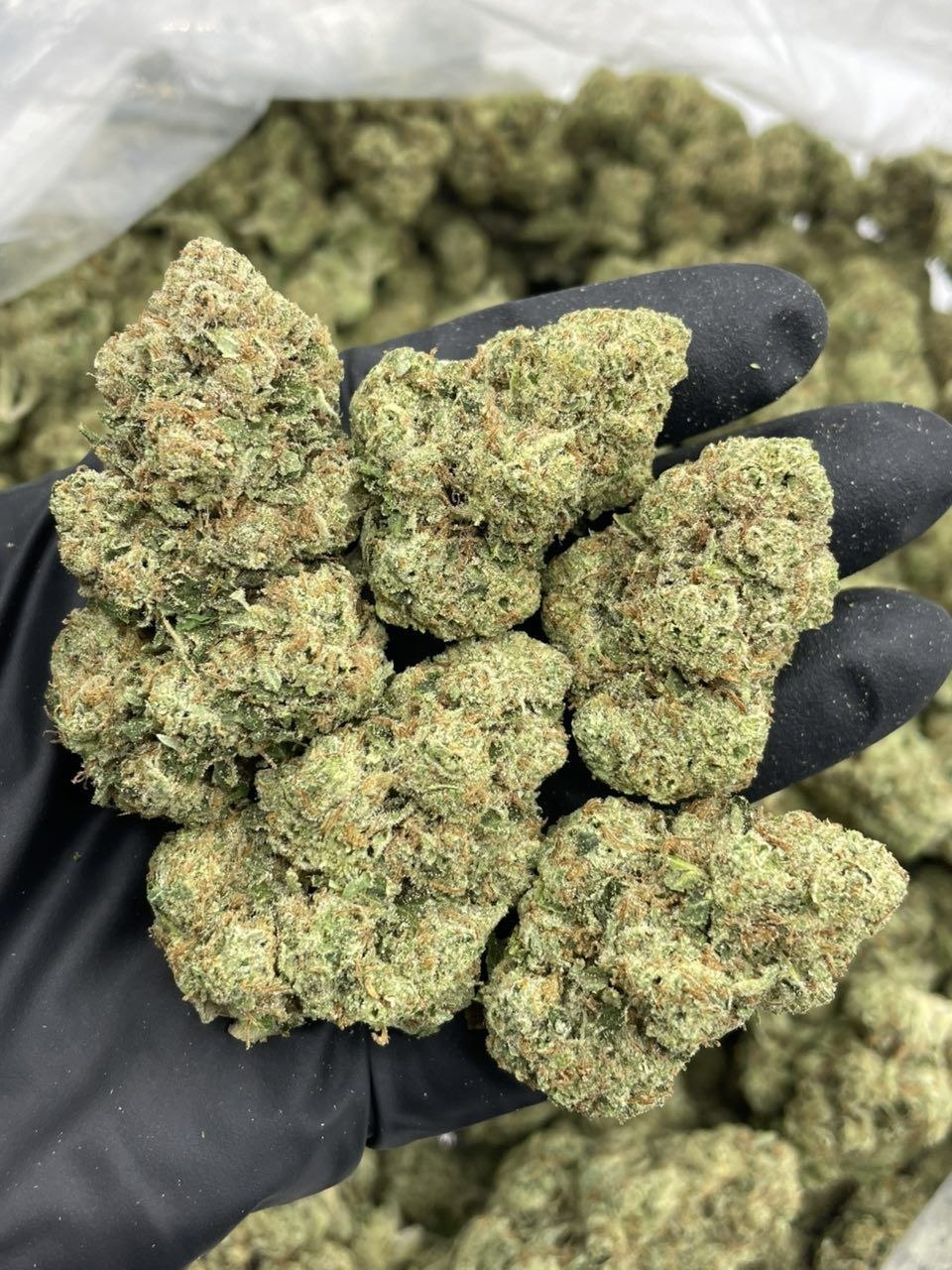
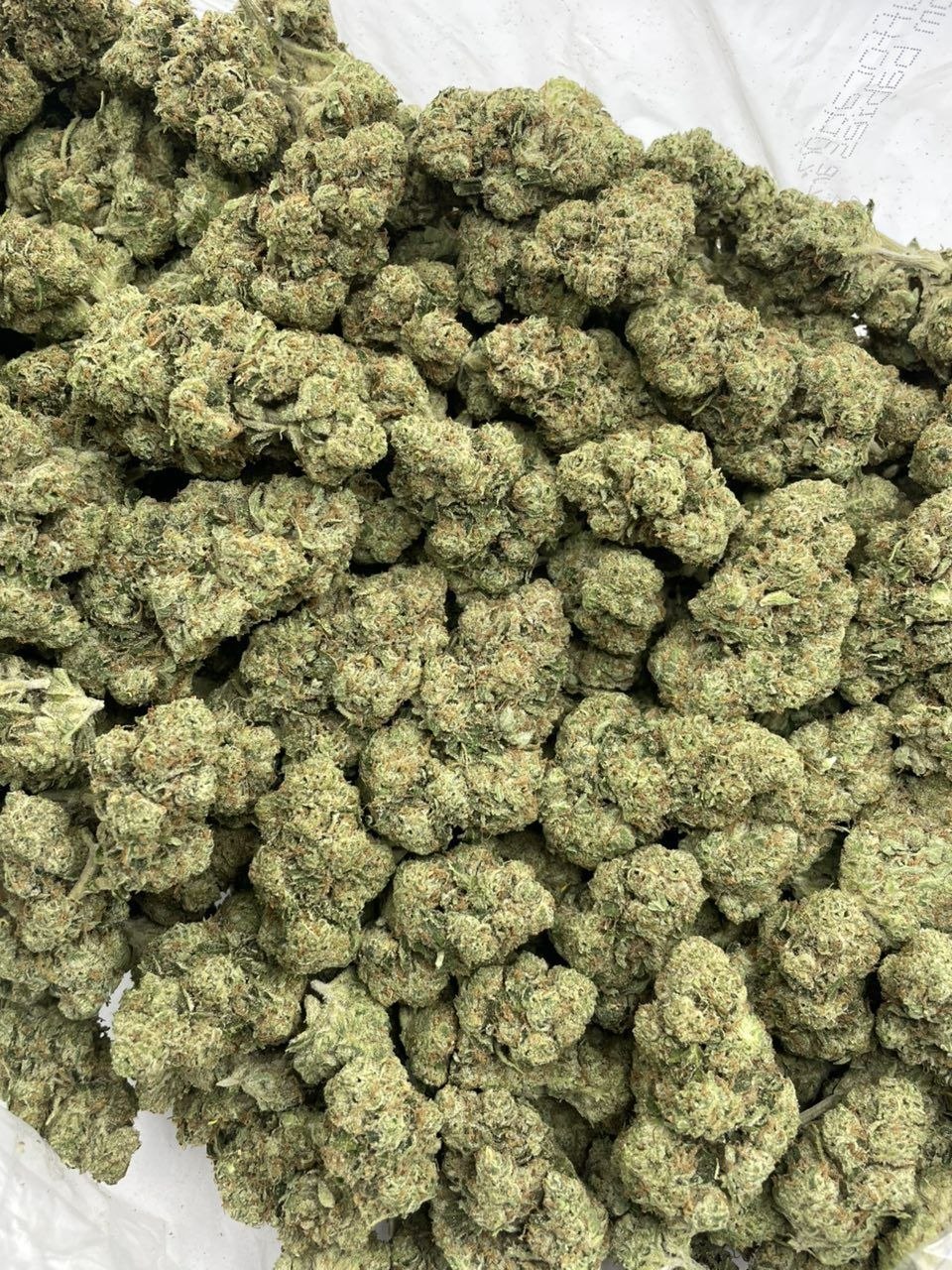
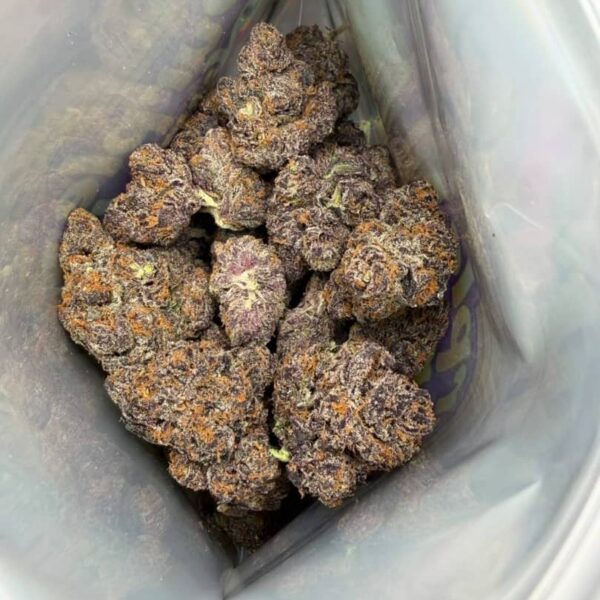
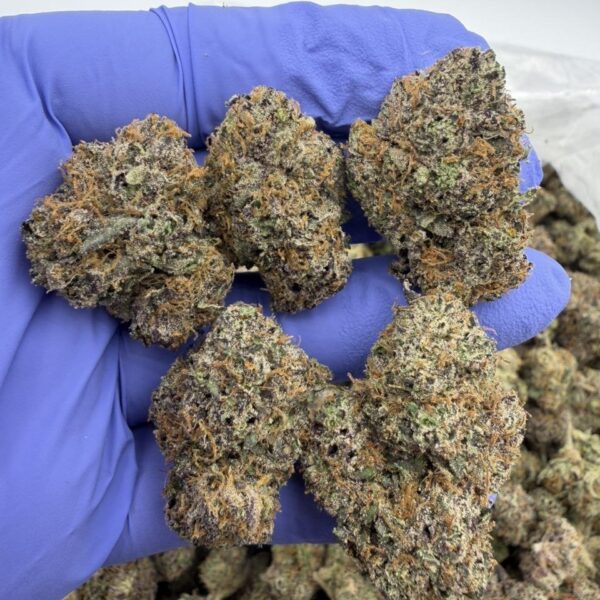
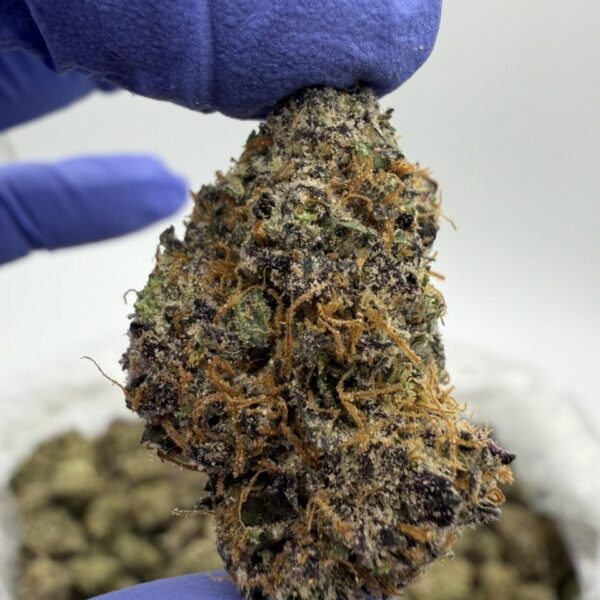
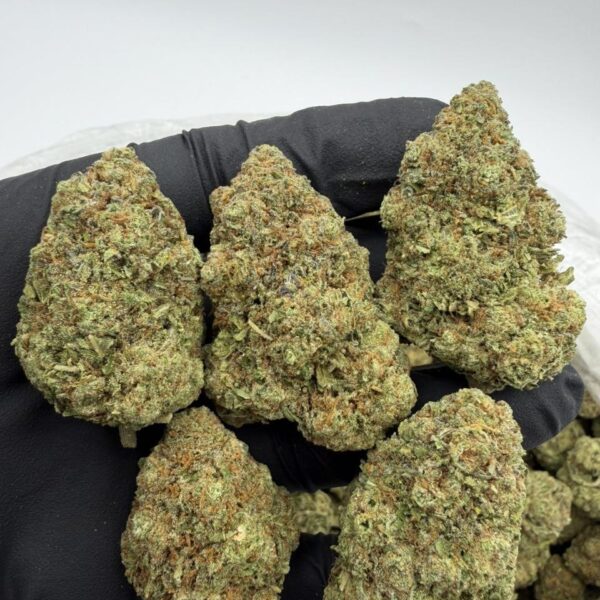
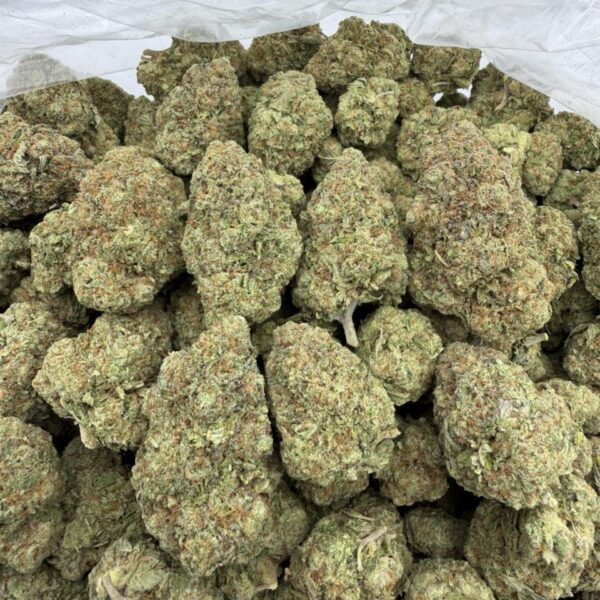
In addition, the buds produced by this strain are notably dense and resin-rich, often appearing coated in a thick layer of trichomes. As a result, the plant exhibits a visibly frosted appearance under proper lighting conditions. Furthermore, growers frequently note that the sticky resin content can make handling the plant challenging during harvest. Consequently, the morphological traits of GG4 are closely associated with its name and reputation.
Trichome Production and Resin Chemistry
One of the most defining characteristics of Gorilla Glue is its exceptionally high trichome production. Trichomes are the microscopic resin glands responsible for producing cannabinoids and terpenes, and GG4 is known for producing them in abundance. Moreover, this dense resin coverage contributes to the strain’s sticky texture and visual appeal. Because of this, it has become a reference point in discussions about resin-heavy cannabis genetics.
In addition, the chemical composition of these trichomes includes cannabinoids such as THC along with a complex mixture of aromatic compounds. As a result, the strain is often studied for its potent chemical profile. Furthermore, environmental conditions such as lighting, humidity, and nutrient availability can influence trichome density. Consequently, cultivation techniques play a significant role in maximizing resin output.
Terpene Profile and Aromatic Composition
The terpene profile of Gorilla Glue is responsible for its distinctive aroma, which is often described as earthy, pungent, and slightly sour with diesel-like undertones. These aromatic characteristics are primarily influenced by terpenes such as caryophyllene, limonene, and myrcene. Moreover, the interaction between these compounds creates a layered scent profile that evolves over time. Because of this complexity, GG4 is frequently analyzed in terpene research.
In addition, terpene expression can vary depending on cultivation conditions and curing processes. As a result, different phenotypes may exhibit subtle variations in aroma intensity and composition. Furthermore, proper curing techniques help preserve volatile compounds, ensuring that the strain maintains its aromatic depth. Consequently, terpene management is a critical aspect of post-harvest processing.
Growth Cycle and Cultivation Behavior
Gorilla Glue is known for its relatively vigorous growth cycle, especially during the vegetative stage. The plant typically responds well to training techniques such as topping and low-stress training, which help manage its dense structure. Moreover, its hybrid genetics allow it to adapt to a range of cultivation environments. Because of this adaptability, GG4 has become popular among growers with varying levels of experience.
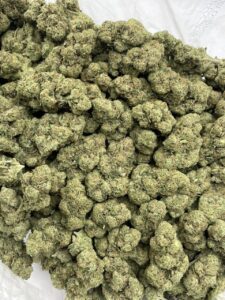
Gorilla Glue (GG4) Cannabis Strain
In addition, the flowering period is generally moderate compared to other hybrid strains. As a result, growers can expect a balanced timeline between cultivation and harvest. Furthermore, environmental stability plays a crucial role in achieving optimal yields, particularly in indoor settings. Consequently, controlled environments often produce more consistent results.
Environmental Sensitivity and Optimization Factors
While Gorilla Glue is relatively adaptable, it still responds significantly to environmental conditions. Temperature, humidity, and lighting all influence growth patterns and resin development. Moreover, maintaining stable environmental conditions helps ensure consistent bud formation and chemical expression. Because of this, many cultivators prioritize controlled indoor environments for this strain.
In addition, nutrient balance is an important factor in optimizing plant health. As a result, both macronutrients and micronutrients must be carefully managed throughout the growth cycle. Furthermore, fluctuations in environmental conditions can lead to variations in terpene and cannabinoid expression. Consequently, precision in cultivation practices is essential for achieving consistent results.
Chemical Potency and Cannabinoid Structure
Gorilla Glue is widely recognized for its high cannabinoid content, particularly THC levels that can vary depending on phenotype and cultivation methods. The strain’s potency has been extensively documented in analytical studies, and it is often referenced in discussions about high-THC hybrid varieties. Moreover, this potency contributes to its strong reputation within the cannabis genetics community. Gorilla Glue (GG4) Cannabis Strain Gorilla Glue (GG4) Cannabis Strain Gorilla Glue (GG4) Cannabis Strain Gorilla Glue (GG4) Cannabis Strain
In addition, cannabinoid expression is influenced by environmental and genetic factors, which means that no two batches are entirely identical. As a result, laboratory testing is commonly used to determine exact chemical composition. Furthermore, the interaction between cannabinoids and terpenes contributes to the overall chemical profile. Consequently, GG4 is often studied as a model for hybrid potency expression.
Cultural Impact and Industry Recognition
Beyond its genetic and chemical characteristics, Gorilla Glue has had a significant cultural impact within the cannabis industry. It has been widely referenced in cultivation forums, genetic studies, and consumer discussions. Moreover, its distinctive name and resin-heavy appearance have contributed to its recognition across multiple markets. Because of this, GG4 has become a benchmark strain in hybrid classification.
In addition, the strain has influenced breeding programs aimed at replicating or enhancing its characteristics. As a result, many modern hybrids trace partial lineage or inspiration back to GG4 genetics. Furthermore, its reputation has extended into broader cultural spaces, making it one of the most recognized hybrid strains globally. Consequently, its influence continues to shape breeding trends.
Post-Harvest Processing and Quality Preservation
Post-harvest processing plays a crucial role in preserving the chemical and aromatic integrity of Gorilla Glue. Drying and curing methods must be carefully controlled to prevent degradation of terpenes and cannabinoids. Moreover, improper handling can significantly affect final quality. Because of this, experienced cultivators often emphasize slow and controlled curing processes.
In addition, storage conditions such as temperature and humidity are critical in maintaining long-term stability. As a result, airtight storage methods are commonly used to preserve freshness. Furthermore, proper post-harvest care ensures that resin structure and aroma remain intact. Consequently, post-processing techniques are essential for maintaining strain quality.
Scientific Interest and Ongoing Research
Gorilla Glue continues to attract scientific interest due to its complex genetic and chemical profile. Researchers study its cannabinoid density, terpene interactions, and resin production mechanisms. Moreover, its hybrid structure provides insight into how different genetic lineages interact. Because of this, GG4 is often included in comparative genetic studies.
In addition, ongoing research explores how environmental variables influence chemical expression. As a result, GG4 serves as a useful reference point for understanding phenotype variation. Furthermore, its stability and consistency make it valuable for controlled studies. Consequently, the strain remains relevant in scientific and horticultural research.
Comprehensive Scientific Summary
Gorilla Glue (GG4) represents a complex hybrid cannabis strain characterized by dense resin production, strong genetic lineage, and a rich terpene profile. Moreover, its structure reflects a balance between indica and sativa traits, resulting in a versatile growth pattern. Because of these characteristics, it has become a widely studied and culturally significant strain.
In addition, its chemical composition and environmental responsiveness make it a valuable subject for cultivation and genetic research. As a result, GG4 continues to influence modern breeding practices. Furthermore, its stability and recognizability contribute to its lasting presence in cannabis genetics discussions. Consequently, Gorilla Glue remains one of the most referenced hybrid strains in the industry.
Genetic Stability and Phenotype Variation in GG4
One of the most discussed aspects of Gorilla Glue (GG4) is its genetic stability across different cultivation environments. Although the strain is recognized for relatively consistent traits, subtle phenotype variations can still occur depending on breeding selection and growing conditions. Moreover, these variations may influence plant height, resin density, and aroma intensity. Because of this, GG4 is often used as a reference strain when evaluating hybrid consistency in cannabis genetics.
In addition, environmental stressors such as temperature fluctuations, nutrient availability, and lighting intensity can contribute to minor expression differences between plants. As a result, two GG4 plants grown in different environments may display noticeable but still genetically linked variations. Furthermore, selective breeding practices have helped stabilize key traits over time, ensuring that core characteristics remain recognizable. Consequently, GG4 is considered a relatively stable hybrid while still retaining natural diversity within its phenotype range.
Resin Adhesion Properties and Trichome Density Behavior
Gorilla Glue is widely known for its unusually high resin adhesion, which is directly related to its dense trichome production. These trichomes contain a concentrated mixture of cannabinoids and terpenes, and their abundance creates a sticky surface texture that has become a defining feature of the strain. Moreover, this resin density is not only visually distinctive but also biologically significant in terms of plant defense mechanisms.
In addition, the trichome structure tends to develop more heavily during the later flowering stages, particularly under optimal environmental conditions. As a result, mature plants often exhibit a thick coating that can affect handling during cultivation and harvest. Furthermore, scientific observation suggests that resin production may increase in response to environmental stress as a protective adaptation. Consequently, GG4 provides an interesting case study in plant defense chemistry and resin development.
Cultivation Challenges and Grower Considerations
Although Gorilla Glue is generally considered manageable for experienced growers, it does present certain cultivation challenges that must be addressed for optimal results. One of the primary considerations is its dense bud structure, which can increase the risk of moisture retention if airflow is insufficient. Moreover, proper canopy management is essential to ensure even light distribution across all flowering sites.
In addition, nutrient balance must be carefully monitored throughout the growth cycle. Excessive feeding can lead to nutrient burn, while deficiencies may reduce resin production and overall vigor. As a result, growers often implement controlled feeding schedules to maintain stability. Furthermore, pruning and training techniques such as topping or low-stress training are commonly used to improve airflow and yield distribution. Consequently, successful cultivation of GG4 relies on consistent environmental management.
Harvest Timing and Maturity Indicators
Determining the optimal harvest time for Gorilla Glue requires careful observation of trichome development and overall plant maturity. Typically, growers monitor trichome coloration as an indicator of peak chemical expression. Moreover, changes in pistil coloration and bud density are also used to assess readiness. Because of this, harvesting too early or too late can significantly affect final quality.
In addition, environmental conditions during the final flowering stage can influence maturation speed. As a result, consistent monitoring is essential to ensure optimal timing. Furthermore, properly timed harvests help preserve terpene profiles and cannabinoid balance. Consequently, harvest timing is one of the most critical factors in achieving high-quality output.
Post-Harvest Drying Dynamics and Chemical Preservation
After harvest, drying and curing processes play a crucial role in preserving the chemical integrity of Gorilla Glue. Controlled drying environments are used to gradually reduce moisture content while maintaining terpene stability. Moreover, slow drying helps prevent degradation of volatile compounds that contribute to aroma and overall profile. Gorilla Glue (GG4) Cannabis Strain Gorilla Glue (GG4) Cannabis Strain Gorilla Glue (GG4) Cannabis Strain Gorilla Glue (GG4) Cannabis Strain
In addition, curing allows for further chemical stabilization as residual moisture redistributes evenly within plant material. As a result, the final product becomes more balanced in both aroma and composition. Furthermore, improper drying techniques can lead to loss of terpene complexity or structural degradation. Consequently, post-harvest handling is a key stage in preserving strain quality. Gorilla Glue (GG4) Cannabis Strain Gorilla Glue (GG4) Cannabis Strain Gorilla Glue (GG4) Cannabis Strain Gorilla Glue (GG4) Cannabis Strain
Broader Genetic Influence in Modern Breeding Programs
Gorilla Glue has had a lasting impact on modern cannabis breeding programs due to its strong genetic traits and resin production profile. Many hybrid strains developed after GG4 incorporate elements of its lineage or attempt to replicate its characteristics. Moreover, its stability and potency have made it a benchmark for comparison in hybrid development.
Gorilla Glue (GG4) Cannabis Strain
In addition, breeders often study GG4 to understand how resin density and terpene expression can be enhanced through selective breeding. As a result, its influence extends beyond its own classification and into broader genetic experimentation. Furthermore, its popularity has contributed to the development of new hybrids with similar structural and chemical traits. Consequently, GG4 remains a foundational strain in modern cannabis genetics.
Scientific Relevance and Analytical Applications
From a scientific perspective, Gorilla Glue continues to serve as a valuable subject for research into plant biochemistry and hybrid genetics. Its high resin production and stable cannabinoid profile make it suitable for laboratory analysis and comparative studies. Moreover, researchers examine how environmental factors influence its chemical expression. Because of this, GG4 is frequently included in studies related to plant adaptation and metabolite production.
In addition, its consistent genetic framework allows for controlled experimentation across different environments. As a result, data collected from GG4 studies can be used to better understand broader cannabis plant behavior. Furthermore, its chemical complexity provides insight into how terpenes and cannabinoids interact at a molecular level. Consequently, GG4 holds ongoing relevance in scientific research.
Comprehensive Closing Overview
Gorilla Glue (GG4) stands as one of the most influential hybrid strains in modern cannabis genetics due to its combination of dense resin production, stable hybrid lineage, and complex chemical profile. Moreover, its structure reflects a balance between indica and sativa characteristics, resulting in a versatile growth pattern that has made it widely studied and referenced.
In addition, its impact extends beyond cultivation into cultural, scientific, and breeding domains. As a result, GG4 continues to serve as both a reference strain and a foundation for new hybrid development. Furthermore, its resin characteristics and genetic stability make it a key example in discussions of plant chemistry and hybrid evolution. Consequently, Gorilla Glue remains one of the most significant and widely recognized strains in cannabis research and horticultural practice.
Phenotype Variation and Genetic Expression
Even though Gorilla Glue (GG4) is considered a stabilized hybrid, phenotype variation still occurs across different cultivation environments. This means that individual plants grown from the same genetic lineage can express slightly different physical and chemical traits. Moreover, these differences are influenced by factors such as light intensity, nutrient availability, and temperature consistency. Because of this, no two harvests are perfectly identical even when sourced from the same genetic stock.
In addition, certain phenotypes may lean more toward indica or sativa characteristics in terms of structure and growth behavior. As a result, some plants may appear more compact and bushy, while others may stretch slightly more during flowering. Furthermore, these variations are important for breeders who aim to isolate specific traits for future hybrid development. Consequently, phenotype selection remains a key part of genetic refinement.
Environmental Stress Response and Adaptation
Gorilla Glue is known for its resilience, yet it still responds dynamically to environmental stress. When exposed to changes in temperature, humidity, or nutrient levels, the plant adjusts its growth behavior accordingly. Moreover, moderate stress conditions can sometimes influence resin production, although this effect depends heavily on timing and severity. Because of this, growers often aim to maintain controlled environments to reduce unpredictable variation.
In addition, the plant’s adaptive nature allows it to recover from minor fluctuations more effectively than less stable strains. As a result, it is often considered suitable for intermediate cultivation environments. Furthermore, proper environmental management ensures that stress does not negatively impact terpene or cannabinoid expression. Consequently, stability remains a key factor in achieving consistent outcomes.
Genetic Stability and Breeding Applications
One of the reasons Gorilla Glue has remained influential in cannabis genetics is its relative stability after selection. Once refined into GG4, the strain demonstrated consistent trait expression across multiple generations. Moreover, this stability makes it valuable for breeding programs that aim to preserve resin production and hybrid balance. Because of this, it has been used as a parent or reference strain in multiple hybrid projects.
In addition, breeders often analyze GG4 to identify dominant traits such as trichome density and terpene complexity. As a result, it has contributed to the development of numerous descendant strains. Furthermore, its genetic profile is frequently referenced in discussions about modern hybrid optimization. Consequently, GG4 holds an important position in cannabis breeding history. Gorilla Glue (GG4) Cannabis Strain Gorilla Glue (GG4) Cannabis Strain Gorilla Glue (GG4) Cannabis Strain Gorilla Glue (GG4) Cannabis Strain
Laboratory Analysis and Chemical Profiling
Scientific analysis of Gorilla Glue typically focuses on cannabinoid concentration, terpene composition, and resin structure. These studies are conducted using chromatography and other laboratory techniques that allow precise measurement of chemical compounds. Moreover, such analysis helps establish consistency standards across different batches and cultivation environments. Because of this, GG4 is often included in comparative lab studies.
In addition, chemical profiling reveals how environmental conditions influence final composition. As a result, variations in growing techniques can lead to measurable differences in THC levels and terpene ratios. Furthermore, this data is used to better understand the relationship between genetics and environment. Consequently, GG4 serves as a valuable reference point in cannabis chemistry research. Gorilla Glue (GG4) Cannabis Strain Gorilla Glue (GG4) Cannabis Strain Gorilla Glue (GG4) Cannabis Strain Gorilla Glue (GG4) Cannabis Strain
Harvest Timing and Maturity Indicators
Determining optimal harvest timing is essential for preserving the full chemical profile of Gorilla Glue. Growers typically monitor trichome development and color changes to assess maturity. Moreover, harvesting too early or too late can significantly impact cannabinoid and terpene balance. Because of this, precise timing is critical for quality outcomes.
In addition, environmental conditions leading up to harvest can influence final expression. As a result, consistent monitoring during the flowering stage is necessary. Furthermore, experienced cultivators often rely on visual and microscopic indicators rather than fixed timelines. Consequently, harvest decisions are highly technical and observation-based.
Post-Harvest Chemical Preservation Science
After harvest, the preservation of chemical compounds becomes a major focus. Drying and curing processes are designed to reduce moisture while maintaining terpene integrity. Moreover, slow drying methods are typically preferred because they help retain volatile compounds. Because of this, improper handling can result in significant loss of aroma and chemical complexity.
In addition, curing allows internal chemical stabilization to occur over time. As a result, the final profile becomes smoother and more balanced. Furthermore, storage conditions such as darkness and controlled humidity contribute to long-term preservation. Consequently, post-harvest science is just as important as cultivation itself. Gorilla Glue (GG4) Cannabis Strain Gorilla Glue (GG4) Cannabis Strain Gorilla Glue (GG4) Cannabis Strain
Industry Position and Research Relevance
Gorilla Glue continues to hold a strong position in cannabis research and cultivation studies. It is frequently used as a benchmark strain for evaluating hybrid performance and resin production. Moreover, its consistent structure and chemical profile make it useful for comparative analysis. Because of this, GG4 remains relevant in both commercial and scientific contexts.
In addition, its widespread recognition has contributed to its role as a reference point in strain classification systems. As a result, it is often included in educational materials and genetic databases. Furthermore, its influence extends across breeding, cultivation, and analytical research. Consequently, GG4 remains one of the most significant modern hybrid strains.
Final Scientific and Educational Summary
Gorilla Glue (GG4) is a genetically complex hybrid strain known for its dense trichome production, stable lineage, and rich terpene profile. Moreover, its structure reflects a balance of indica and sativa traits, making it adaptable across different cultivation environments. Because of these combined factors, it has become a widely studied and highly referenced strain.
In addition, its importance extends beyond cultivation into genetics, chemistry, and breeding science. As a result, it serves as a benchmark for hybrid stability and resin production. Furthermore, ongoing research continues to explore its genetic behavior and environmental responsiveness. Consequently, Gorilla Glue remains a foundational strain in modern cannabis studies. Gorilla Glue (GG4) Cannabis Strain Gorilla Glue (GG4) Cannabis Strain Gorilla Glue (GG4) Cannabis Strain Gorilla Glue (GG4) Cannabis Strain Gorilla Glue (GG4) Cannabis Strain Gorilla Glue (GG4) Cannabis Strain Gorilla Glue (GG4) Cannabis Strain





Admin –
BEST BY PACKPRO
Careron –
Definitely ordering again soon.
Blake –
“Everything arrived fresh and sealed.”
Trevor hall –
Top quality
Logan –
Everything arrived sealed and fresh