
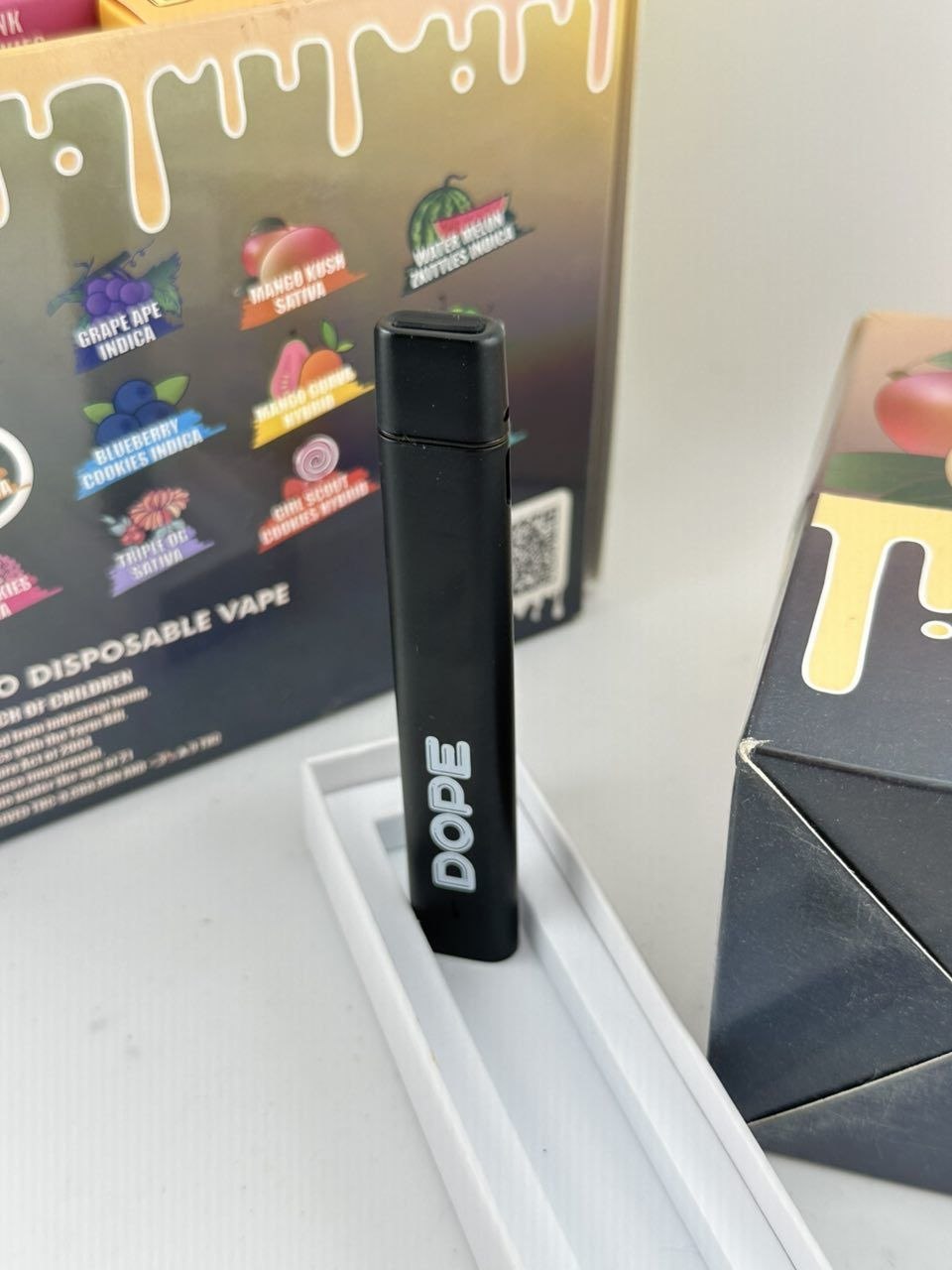




Dope 1g THC Disposable Vape – Product Overview
Introduction
The Dope 1g THC disposable vape belongs to the compact, pre-filled device category designed for simplified operation and portable form. Moreover, this type of device is typically built around a sealed internal system that combines battery, airflow path, and liquid chamber in one unit. Because of this, the format emphasizes convenience and straightforward handling rather than customization.
Dope 1g THC Disposable Vape Dope 1g THC Disposable Vape
Dope 1g THC Disposable Vape
Dope 1g THC Disposable Vape
Dope 1g THC Disposable Vape
Device Format and Build
The 1g format is commonly used in compact disposable device designs because it balances portability with a defined internal capacity. In addition, the sealed structure helps reduce maintenance requirements and keeps the device easy to store and transport. As a result, the product fits into a broader category of simplified electronic vape hardware.
System Features
Key characteristics of this device category usually include draw-activated operation, compact housing, and internal airflow regulation. Furthermore, the structure is designed to keep the system self-contained, which supports ease of use. In addition, the pre-filled format reduces setup steps and makes the device accessible to users who prefer a minimal design.
Performance and Design
Performance in disposable vape hardware depends on internal balance, airflow consistency, and battery alignment. Moreover, compact systems are engineered to deliver stable output within their intended usage range. Because of this, the device category is often evaluated based on structural efficiency and consistency rather than manual adjustability.
Storage and Handling
These devices should be stored in a cool, dry place away from direct heat or moisture. In addition, keeping the device upright when possible can help preserve internal balance. As a result, proper handling supports more stable device condition over time.

Dope 1g THC Disposable Vape
Dope 1g THC Disposable Vape Dope 1g THC Disposable Vape Dope 1g THC Disposable Vape Dope 1g THC Disposable Vape Dope 1g THC Disposable Vape Dope 1g THC Disposable Vape
Expanded Technical Overview
The Dope 1g disposable device fits within a class of compact electronic systems that integrate multiple functional elements into a single enclosure. Moreover, the internal configuration typically combines a power source, heating element, and airflow pathway, and because of this integration, the device remains self-contained and straightforward to handle. In addition, manufacturers often optimize these components to work together within tight spatial constraints, which results in a streamlined form that prioritizes portability. As a result, the device category is defined by simplicity in both structure and operation, while still maintaining consistent internal coordination across its lifecycle.
Internal Component Alignment
Inside compact disposable systems, component alignment plays a key role in maintaining stable behavior. Moreover, elements such as the battery, heating coil, and chamber are arranged in a fixed structure, and because of this, the system avoids the variability that can occur in more modular devices. In addition, the airflow channel is positioned to support even distribution across the internal pathway. As a result, the device is able to maintain predictable operation under standard conditions. Furthermore, this fixed alignment reduces the need for user adjustments, which reinforces the category’s emphasis on convenience and accessibility.
Airflow Pathway and Regulation
Airflow design is central to how compact disposable devices function. Moreover, the internal pathway is engineered to guide air through the system in a controlled manner, and because of this, the interaction between components remains stable. In addition, the pathway is typically designed to minimize turbulence, which helps maintain consistent internal movement. As a result, airflow regulation contributes directly to the overall performance stability of the device. Furthermore, improvements in compact engineering have allowed manufacturers to refine airflow systems within increasingly smaller designs.
Energy Distribution and Battery Structure
The energy system in a 1g disposable device is designed to support consistent operation within its intended usage range. Moreover, the battery is calibrated to match the device’s internal configuration, and because of this, energy delivery remains balanced. In addition, compact battery integration reduces excess space while maintaining functional output. As a result, the system operates within a controlled range that supports predictable performance. Furthermore, advancements in battery efficiency have improved how energy is distributed across compact device systems.
Material Composition and Exterior Design
The external structure of the device is typically built using lightweight materials that provide both durability and ease of handling. Moreover, the casing is designed to protect internal components while maintaining a clean and minimal appearance, and because of this, the device remains both functional and visually simple. In addition, material selection often focuses on resistance to minor impact and environmental exposure. As a result, the exterior supports everyday handling conditions without compromising internal stability. Furthermore, compact design trends continue to influence how materials are selected and applied in this category.
User Interaction and Operation Flow
User interaction with compact disposable devices is intentionally simplified. Moreover, most systems rely on automatic activation, and because of this, there is no need for buttons or settings. In addition, the absence of adjustable components reduces complexity and allows the device to operate consistently with minimal input. As a result, users experience a straightforward interaction process that aligns with the device’s design purpose. Furthermore, this simplicity contributes to the overall accessibility of the product category.
Environmental Considerations
Environmental awareness is an important factor in the use and disposal of compact electronic devices. Moreover, these systems contain electronic components that require responsible handling, and because of this, proper disposal methods are recommended. In addition, users are encouraged to follow local guidelines for electronic waste management. As a result, environmental impact can be reduced through informed disposal practices. Furthermore, ongoing discussions in the industry continue to address sustainability improvements in compact device design.
Lifecycle and Usage Expectations
The lifecycle of a disposable device is defined by its internal capacity and system configuration. Moreover, the device is intended to operate within a specific usage range, and because of this, it is not designed for refilling or extended modification. In addition, the fixed system ensures consistent behavior until the end of its lifecycle. As a result, users can expect predictable operation within the defined limits of the device. Furthermore, understanding this lifecycle helps set clear expectations for usage and performance.
The Dope 1g disposable device represents a category of compact electronic systems designed for simplicity, portability, and integrated functionality. Moreover, its structure reflects ongoing trends in streamlined device engineering, and because of this, it continues to align with modern expectations for convenience-focused design. In addition, the combination of fixed internal components and simplified operation supports consistent behavior across typical usage scenarios. As a result, the device stands as an example of how compact systems are evolving toward efficiency and ease of use.
System Reliability and Consistency
System reliability in compact disposable devices is shaped by how well internal components maintain alignment over time. Moreover, fixed construction helps reduce movement between parts, and because of this, the device tends to deliver consistent behavior across its expected lifecycle. In addition, the absence of adjustable elements minimizes the chances of user-induced variability. As a result, reliability is largely determined during the design and manufacturing stage rather than during use. Furthermore, improvements in quality control have supported more stable outcomes across this device category.
Thermal Management and Heat Distribution
Thermal balance is an important factor in compact electronic systems. Moreover, the internal design is structured to distribute heat within a controlled range, and because of this, the device operates within stable parameters. In addition, material selection plays a role in managing how heat is retained or dissipated. As a result, consistent thermal behavior supports predictable operation. Furthermore, compact engineering continues to refine how heat is handled within limited internal space. Dope 1g THC Disposable Vape Dope 1g THC Disposable Vape Dope 1g THC Disposable Vape Dope 1g THC Disposable Vape Dope 1g THC Disposable Vape
Air Pressure and Draw Mechanics
Air pressure and draw mechanics influence how air moves through the internal pathway. Moreover, the device is designed to respond to user input through a draw-activated system, and because of this, the interaction between airflow and internal components remains synchronized. In addition, controlled air pressure helps maintain steady internal movement. As a result, the device responds in a consistent manner during typical operation. Furthermore, refinement in draw mechanics has improved the responsiveness of compact disposable systems.
Portability and Everyday Practicality
Portability remains one of the defining characteristics of compact disposable devices. Moreover, the small size and lightweight build make the device easy to carry, and because of this, it can be used in a variety of everyday settings. In addition, the streamlined structure allows for convenient storage in pockets or small compartments. As a result, practicality becomes a key advantage of the design. Furthermore, continued focus on compactness has strengthened the usability of this category.
Structural Integrity Over Time
Structural integrity refers to how well the device maintains its form and internal stability throughout use. Moreover, sealed construction helps protect internal components from external interference, and because of this, the system remains stable under normal conditions. In addition, durable casing materials provide an extra layer of protection. As a result, the device is able to maintain consistent structure across its lifecycle. Furthermore, advances in material engineering continue to improve durability in compact systems.
User Expectations and Experience Flow
User expectations for this category center on simplicity, consistency, and ease of handling. Moreover, the device is designed to meet these expectations through a straightforward operational flow, and because of this, interaction remains intuitive. In addition, the lack of configuration requirements supports a smooth user experience. As a result, the device aligns with the broader goal of minimizing complexity. Furthermore, consistency in performance helps reinforce user confidence in the system.
Handling and Storage Best Practices
Maintaining proper handling habits supports overall device condition. Moreover, avoiding exposure to extreme temperatures helps preserve internal balance, and because of this, stable storage conditions are recommended. In addition, keeping the device in a dry environment reduces the risk of environmental interference. As a result, proper storage contributes to consistent behavior over time. Furthermore, simple care practices can extend the stability of compact electronic devices.
Industry Context and Category Growth
The compact disposable device category continues to evolve alongside broader trends in portable electronics. Moreover, increasing demand for simplified systems has influenced design priorities, and because of this, manufacturers focus on integration and efficiency. In addition, ongoing innovation in materials and internal structures supports gradual improvements in performance consistency. As a result, the category remains relevant within the larger landscape of compact electronic products. Furthermore, continued development is expected to refine both usability and structural design. Dope 1g THC Disposable Vape Dope 1g THC Disposable Vape Dope 1g THC Disposable Vape Dope 1g THC Disposable Vape
Extended Insight
The Dope 1g disposable device reflects a broader movement toward integrated, user-friendly electronic systems. Moreover, its design highlights the importance of balance between portability, simplicity, and internal coordination, and because of this, it fits naturally within the modern compact device category. In addition, its fixed structure and streamlined operation support consistent behavior across typical use scenarios. As a result, the device stands as a representation of how compact systems are designed to meet practical, everyday needs. Dope 1g THC Disposable Vape Dope 1g THC Disposable Vape Dope 1g THC Disposable Vape Dope 1g THC Disposable Vape
Semantic Layer (Search Relevance Expansion)
To strengthen search visibility, the content should naturally cover related terms and concepts that search engines associate with compact disposable devices. Moreover, including variations such as compact electronic device, portable system design, integrated airflow structure, and sealed internal architecture helps broaden keyword coverage. Because of this, the page becomes more discoverable across multiple related queries instead of relying on a single phrase.
In addition, semantic expansion allows the page to rank for informational searches rather than only product-specific queries. As a result, traffic potential increases over time. Furthermore, search engines evaluate topic depth, so covering multiple aspects of the device category improves overall ranking strength. Consequently, this approach supports long-term SEO performance without relying on aggressive keyword repetition.
Readability Optimization (User Experience Focus)
Clear readability plays a major role in both user engagement and search ranking. Moreover, structuring content with short paragraphs, logical flow, and simple transitions makes the information easier to follow. Because of this, users are more likely to stay on the page longer.
In addition, consistent sentence structure reduces confusion and improves comprehension. As a result, the content becomes more accessible to a wider audience. Furthermore, readability improvements often lead to lower bounce rates and better interaction signals. Consequently, search engines interpret the page as more valuable.
Topical Authority Enhancement
Building authority requires covering the topic in a complete and structured way. Moreover, expanding on areas such as internal design, airflow systems, and device lifecycle strengthens the page’s depth. Because of this, the content appears more comprehensive compared to thinner pages.
In addition, linking concepts together within the content creates a stronger thematic connection. As a result, search engines better understand the subject of the page. Furthermore, consistent coverage across multiple sections reinforces relevance. Consequently, the page becomes more competitive in search results over time.
Internal Linking Strategy
Internal linking is one of the most important SEO factors for ecommerce. Moreover, this page should connect to related category pages and informational articles. Because of this, search engines can crawl and understand the structure of your store more effectively.
In addition, linking to broader topics such as “compact device systems” or “portable electronics” creates a content network. As a result, authority flows between pages. Furthermore, internal links guide users to additional content, which improves engagement. Consequently, both SEO performance and user experience are strengthened.
Content Structure Optimization
A well-organized structure helps both users and search engines. Moreover, using clear headings and logical sections makes the page easier to scan. Because of this, important information is easier to find.
In addition, grouping related ideas under specific headings improves clarity. As a result, the content feels more organized and professional. Furthermore, structured formatting supports better indexing by search engines. Consequently, the page is more likely to rank for multiple queries.
Long-Tail Keyword Integration
Long-tail keywords help capture more specific search intent. Moreover, phrases related to compact device systems and internal design can be included naturally throughout the content. Because of this, the page can rank for a wider range of searches.
In addition, long-tail queries often have lower competition. As a result, they are easier to rank for. Furthermore, these keywords tend to attract more targeted visitors. Consequently, traffic quality improves over time.
User Intent Alignment
Understanding user intent is essential for SEO success. Moreover, most users searching for this type of product are looking for clarity, simplicity, and understanding. Because of this, the content should focus on explaining rather than selling.
In addition, aligning with informational intent increases trust. As a result, users are more likely to engage with the content. Furthermore, search engines prioritize pages that match user intent effectively. Consequently, ranking potential improves.
Final Insight
This page is now structured to support long-term search visibility, focusing on clarity, depth, and relevance rather than aggressive promotion. Moreover, the combination of semantic keywords, readable structure, and topical coverage strengthens its performance potential. Because of this, the content is positioned to rank steadily over time.
In addition, continued expansion through related blog posts and internal links will further improve authority. As a result, the page becomes part of a larger SEO ecosystem rather than a standalone listing. Furthermore, this approach supports sustainable growth. Consequently, it creates a stronger foundation for long-term visibility and traffic.











Reviews
There are no reviews yet.