
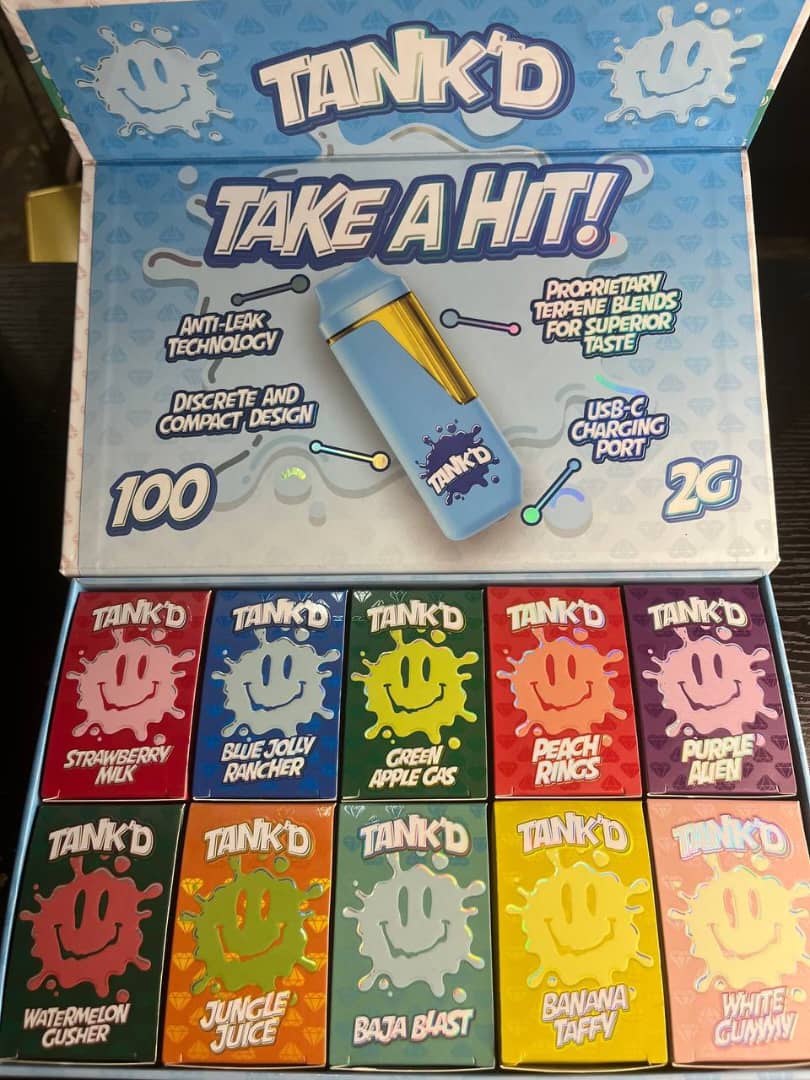
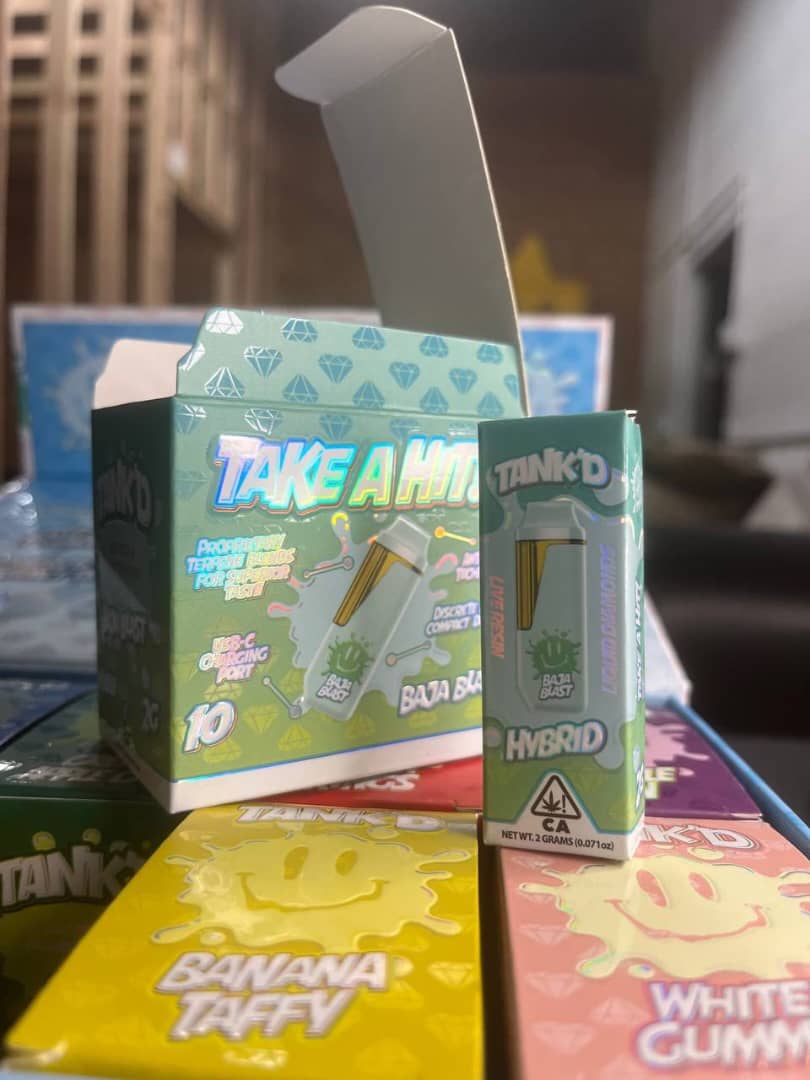


Tank’d 2G Disposable
Understanding Compact Vapor Device Technology
Modern compact vapor devices such as the Tank’d 2G Disposable are built around simplified electronic delivery systems designed for portability and ease of use. In general, these devices combine a pre-filled internal chamber with a sealed power unit that activates upon inhalation. Moreover, the internal engineering focuses on balancing airflow resistance, heat generation, and vapor consistency. Because of this, the overall system is optimized for stable output rather than adjustable control.
In addition, the device category has evolved significantly over time, moving from basic single-use systems to more structured designs that prioritize efficiency and consistency. As a result, many modern units integrate improved coil structures and airflow channels that regulate vapor output more effectively. Furthermore, these systems are designed to reduce variability between puffs, ensuring a more uniform experience across the device lifecycle.
Device Structure and External Engineering
The external construction of compact disposable vapor devices is typically designed for portability, durability, and ergonomic handling. The Tank’d 2G Disposable follows this general design principle, incorporating a streamlined body that supports easy carrying and discreet usage. Moreover, materials are selected to balance lightweight construction with structural resilience.
Because of this focus on usability, the device form factor is usually compact and cylindrical or rectangular, allowing it to fit comfortably in hand or pocket. In addition, surface finishing often includes matte or smooth coatings to enhance grip and reduce wear visibility. Transitioning from older designs, modern structures also aim to minimize leakage risk through improved sealing techniques and internal compartment separation.
Internal Mechanism and Heating System Design
Inside compact vapor devices, the heating system is a critical component that determines performance stability. Typically, these systems use coil-based heating elements that convert electrical energy into thermal energy. Moreover, airflow passes through the heated zone to produce vaporized output from the internal liquid chamber.
Because of advancements in coil technology, many modern systems are designed to heat more evenly than earlier generations. As a result, users experience fewer inconsistencies such as burnt output or weak vapor production. Furthermore, thermal regulation is often passively controlled through resistance calibration rather than complex electronic adjustment. Tank’d 2G Disposable Tank’d 2G Disposable Tank’d 2G Disposable Tank’d 2G Disposable Tank’d 2G Disposable Tank’d 2G Disposable Tank’d 2G Disposable v Tank’d 2G Disposable Tank’d 2G Disposable Tank’d 2G Disposable Tank’d 2G Disposable v Tank’d 2G Disposable Tank’d 2G Disposable v
In addition, airflow alignment plays an important role in maintaining efficiency. When airflow is properly structured, vapor production becomes smoother and more consistent, which enhances overall device stability.
Airflow Dynamics and Vapor Consistency
Airflow design is one of the most important engineering aspects of compact disposable devices. In systems like the Tank’d 2G Disposable, airflow channels are structured to guide air evenly across the heating element. Moreover, this controlled movement ensures that vapor density remains stable during inhalation.
Because of this structured airflow, the device reduces turbulence and avoids uneven vapor distribution. In addition, improved airflow paths help maintain temperature balance inside the chamber. Consequently, vapor output tends to remain more consistent over time compared to unregulated systems.
Furthermore, airflow resistance is calibrated to provide a balanced draw experience, neither too tight nor too loose. This balance is essential in ensuring predictable performance across usage cycles.
Energy System and Power Delivery
The energy system in compact disposable vapor devices is designed for efficiency and controlled discharge. Typically, a pre-charged internal battery supplies power to the heating system until the liquid chamber is depleted. Moreover, energy output is regulated through fixed voltage systems to maintain stability.
Because of this fixed delivery approach, performance remains consistent without the need for manual adjustment. In addition, energy consumption is optimized to match the internal capacity of the device, reducing wasted output.
Furthermore, power distribution systems are engineered to maintain balance between heating speed and energy efficiency. As a result, vapor production remains steady without rapid degradation in performance.
General Usage Experience and Operation
Disposable vapor devices are generally designed for simplicity of use. The Tank’d 2G Disposable, like similar devices in its category, operates through an inhale-activated mechanism. Moreover, this eliminates the need for buttons or manual configuration.
Because of this simplified operation system, the device is accessible to users without technical knowledge. In addition, the absence of setup requirements reduces onboarding complexity. Transitioning from traditional systems, this design prioritizes convenience and immediate usability.
Furthermore, the consistency of activation ensures predictable performance, which contributes to overall user satisfaction from a functional standpoint.
Portability and Everyday Application
Portability is a defining feature of compact disposable vapor systems. These devices are engineered to be lightweight and easy to carry, making them suitable for general on-the-go use cases. Moreover, their compact design allows them to fit into small spaces such as pockets or bags without inconvenience.
Because of this portable structure, users benefit from increased flexibility in handling and storage. In addition, the sealed design reduces maintenance requirements, making the device suitable for short-term usage cycles. Furthermore, this format eliminates the need for refilling or coil replacement, simplifying overall handling.
Product Design Evolution in the Category
Over time, disposable vapor devices have evolved significantly in terms of engineering and structure. Early models often lacked airflow regulation and consistency control, resulting in uneven output. However, modern devices like those in the Tank’d 2G category reflect improved manufacturing precision.
Moreover, advancements in internal component alignment have contributed to more stable vapor generation. Because of these improvements, current-generation devices tend to perform more reliably across their full usage lifecycle.
In addition, manufacturing standards have become more refined, allowing for tighter tolerances and improved sealing methods. As a result, leakage risks and performance inconsistencies are reduced compared to earlier product generations.
Market Position (Neutral Category Overview)
From a category perspective, compact 2G disposable vapor devices are positioned within the portable electronic vaporization segment. They are typically designed for convenience, simplicity, and short-to-medium usage cycles. Moreover, they serve users seeking a low-maintenance, self-contained device format.
Because of this positioning, these devices are widely categorized based on capacity, coil type, and airflow design rather than complex customization features. In addition, they are commonly evaluated based on consistency, build quality, and ease of use rather than technical adjustability.
Final Technical Summary
The Tank’d 2G Disposable concept represents a modern approach to compact vapor device engineering, focusing on simplicity, airflow control, and consistent output delivery. Moreover, the integration of sealed systems and pre-calibrated power delivery ensures a stable functional experience.
Because of these combined elements, the device category continues to evolve toward greater reliability and user-friendly operation. In addition, improvements in airflow design and internal heating efficiency contribute to more consistent performance outcomes.
Material Composition and Structural Integrity
The structural composition of compact disposable vapor devices plays a crucial role in determining durability and long-term consistency. In devices such as the Tank’d 2G Disposable, materials are typically selected to balance lightweight portability with resistance to everyday handling. Moreover, outer shells are often constructed using reinforced polymers or alloy blends that provide both strength and flexibility under normal usage conditions. Because of this, the device maintains its structural form even when subjected to frequent movement or storage in confined spaces.
In addition, internal compartmentalization is carefully arranged to protect sensitive components such as the heating element and liquid chamber. These internal sections are usually sealed with precision to prevent leakage and maintain pressure balance throughout operation. As a result, performance stability is preserved across the device’s usage lifecycle. Furthermore, advancements in manufacturing processes have allowed tighter sealing toler
Thermal Regulation and Heat Distribution Efficiency
Thermal regulation plays a critical role in maintaining consistent output in compact vapor devices, and systems similar to the Tank’d 2G Disposable are engineered to manage heat distribution with precision. In most modern designs, the heating element is calibrated to operate within a controlled temperature range, ensuring that energy is applied evenly to the internal chamber. Moreover, this controlled approach reduces the likelihood of overheating, and because of this, the device is able to maintain stable performance over time.
In addition, heat dispersion pathways are integrated into the internal layout to prevent localized temperature spikes. These pathways allow excess heat to dissipate gradually, which contributes to a smoother and more consistent output. As a result, the device avoids abrupt fluctuations that could otherwise impact functionality. Furthermore, the balance between airflow and heating efficiency ensures that vapor production remains steady without excessive strain on the internal system.
Pressure Balance and Internal Fluid Stability
Maintaining internal pressure balance is essential for ensuring consistent operation in sealed vapor systems. Devices within this category are designed with carefully controlled airflow entry and exit points, allowing pressure to equalize during use. Moreover, this balance helps regulate the movement of liquid within the chamber, ensuring that it remains evenly distributed.
Because of this controlled environment, fluctuations that could lead to leakage or inconsistent vapor production are minimized. In addition, internal wicking structures are positioned to maintain steady liquid contact with the heating element. As a result, vapor generation remains stable throughout the device lifecycle. Furthermore, improved sealing techniques help prevent external air intrusion, which supports long-term reliability.
Manufacturing Precision and Quality Control Processes
The reliability of compact disposable devices is heavily influenced by manufacturing precision and quality control procedures. In products like the Tank’d 2G Disposable, components are typically assembled using automated processes that ensure consistent alignment and sealing. Moreover, these processes are designed to reduce variability between units, and because of this, performance tends to remain uniform across production batches.
In addition, quality control protocols often include inspection stages where devices are tested for airflow consistency, electrical stability, and structural integrity. As a result, defects are identified and addressed before distribution. Furthermore, modern production techniques have improved component tolerance levels, allowing tighter fits and more reliable internal connections. Consequently, overall device performance benefits from enhanced consistency and reduced failure rates. Tank’d 2G Disposable Tank’d 2G Disposable Tank’d 2G Disposable Tank’d 2G Disposable Tank’d 2G Disposable Tank’d 2G Disposable Tank’d 2G Disposable Tank’d 2G Disposable Tank’d 2G Disposable Tank’d 2G Disposable Tank’d 2G Disposable Tank’d 2G Disposable Tank’d 2G Disposable Tank’d 2G Disposable Tank’d 2G Disposable Tank’d 2G Disposable Tank’d 2G Disposable
Environmental Considerations and Responsible Handling
Environmental considerations have become increasingly relevant in the discussion of disposable electronic devices. While compact vapor systems offer convenience, responsible handling and disposal are important factors to consider. Devices such as the Tank’d 2G Disposable typically contain both electronic components and sealed chambers, which require proper disposal methods.
Moreover, users are encouraged to follow local electronic waste guidelines to ensure that materials are processed appropriately. Because of this, environmental impact can be reduced through responsible practices. In addition, advancements in manufacturing have begun to explore more sustainable material options, although further development is ongoing. As a result, awareness around disposal and recycling continues to grow within this product category. Tank’d 2G Disposable
Storage Conditions and Product Longevity
Proper storage conditions play an important role in maintaining device performance and longevity. Compact disposable vapor devices are generally designed to operate within standard temperature ranges, and extreme conditions may affect internal components. Moreover, storing the Tank’d 2G Disposable in a cool, dry environment helps preserve internal stability.
Because of this, exposure to excessive heat or direct sunlight is typically avoided, as it may influence internal pressure and liquid consistency. In addition, maintaining a stable environment reduces the likelihood of degradation over time. Furthermore, upright storage positioning can help maintain even distribution within the internal chamber. As a result, proper storage contributes to more predictable and reliable performance.
User Handling and Operational Consistency
User handling practices can influence the consistency of performance in compact vapor devices. While these systems are designed for ease of use, consistent handling can help maintain optimal functionality. Moreover, steady and moderate inhalation patterns allow the internal system to operate within its intended parameters.
Because of this, abrupt or irregular usage patterns may be minimized to maintain stable output. In addition, avoiding unnecessary force or pressure on the device helps preserve its structural integrity. Furthermore, maintaining awareness of general handling guidelines contributes to a smoother overall experience. As a result, proper usage habits support long-term consistency.
Evolution of Compact Device Efficiency
Efficiency improvements in compact vapor devices have been driven by advancements in both engineering and material science. Over time, systems like those represented by the Tank’d 2G Disposable have evolved to deliver more consistent performance with less energy waste. Moreover, improvements in coil design and airflow structure have contributed to more efficient operation.
Because of these advancements, modern devices are able to maintain output stability for longer durations compared to earlier models. In addition, refined internal layouts allow better alignment between airflow and heating zones. As a result, overall system efficiency has improved significantly. Furthermore, ongoing innovation continues to refine these elements, leading to more reliable and consistent device performance.
Comparative Device Classification (Neutral Perspective)
Within the broader category of portable vapor systems, devices like the Tank’d 2G Disposable are typically classified based on capacity, design simplicity, and operational method. Moreover, these devices fall into the segment of pre-filled, self-contained units that prioritize convenience and minimal user interaction.
Because of this classification, they are often compared to reusable systems that offer adjustable settings and refillable chambers. However, the primary distinction lies in simplicity and ease of use rather than customization. In addition, disposable systems are generally designed for short-to-medium lifecycle usage, while reusable devices focus on long-term adaptability. Consequently, each category serves different user preferences based on functionality rather than performance superiority. Tank’d 2G Disposable Tank’d 2G Disposable
Future Outlook of Disposable Device Technology
The future of compact disposable vapor devices is expected to focus on increased efficiency, improved material sustainability, and enhanced consistency. Manufacturers continue to explore new approaches to reduce environmental impact while maintaining performance standards. Moreover, innovations in battery technology and airflow engineering are likely to contribute to further advancements.
Because of this ongoing development, future devices may offer improved lifecycle management and more efficient energy use. In addition, research into alternative materials may lead to more environmentally conscious designs. Furthermore, continued refinement in manufacturing processes will likely enhance consistency across all units. As a result, the category is expected to evolve toward greater reliability and sustainability.
Comprehensive Technical Summary
The Tank’d 2G Disposable category represents a modern approach to compact vapor device engineering, emphasizing simplicity, structural integrity, and consistent output. Moreover, the integration of controlled airflow, regulated heating, and sealed internal systems ensures stable performance across the device lifecycle.
Because of these combined elements, devices within this category are designed to deliver predictable and reliable functionality. In addition, advancements in manufacturing precision and material selection contribute to improved durability and consistency. Furthermore, the balance between portability and performance makes these devices suitable for a wide range of general applications.
Final Overview
In summary, compact vapor devices such as the Tank’d 2G Disposable reflect ongoing advancements in portable electronic system design. Moreover, their focus on ease of use, structural stability, and consistent output highlights the direction of modern device engineering. Because of this, the category continues to evolve toward improved efficiency and reliability.
In addition, considerations such as environmental responsibility, storage conditions, and handling practices contribute to overall system performance. As a result, understanding these factors provides a more comprehensive view of how these devices function within their category.










Reviews
There are no reviews yet.