
Slurricane Cannabis Strain (Licensed Indoor) – Strain Overview & Profile
Overview
Slurricane is a well-known hybrid cannabis strain recognized for its rich genetic background and carefully balanced profile. Moreover, it is typically cultivated under controlled indoor conditions to ensure consistency, and because of this, growers can maintain stable quality across batches. In addition, licensed indoor cultivation helps regulate environmental factors such as lighting, humidity, and temperature, which directly influence plant development.
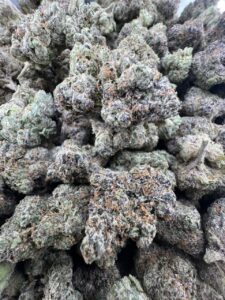
Slurricane
As a result, Slurricane is often associated with a refined cultivation process that emphasizes consistency and quality control. Furthermore, its reputation in the cannabis community has been shaped by its balanced genetic structure and stable indoor growth characteristics.
Genetics and Strain Background
Slurricane is commonly understood as a hybrid strain created through selective breeding of high-quality parent genetics. Moreover, its lineage is often associated with dessert-style and fruit-forward genetic profiles, and because of this, it is frequently categorized within the modern hybrid family of strains.
In addition, hybrid genetics are designed to balance different plant characteristics, resulting in a more structured overall profile. As a result, Slurricane is often described as a strain with layered complexity in its cultivation traits. Furthermore, genetic stability plays a major role in maintaining consistency across licensed indoor grows.
Indoor Cultivation Environment
Licensed indoor cultivation provides controlled conditions that support consistent plant development. Moreover, environmental variables such as light cycles, airflow, and nutrient delivery are carefully managed, and because of this, plants can develop with greater uniformity.
In addition, indoor systems reduce exposure to unpredictable outdoor conditions. As a result, the final product is often more consistent in structure and appearance. Furthermore, controlled cultivation helps maintain quality standards required for licensed production environments.
Appearance and Plant Structure
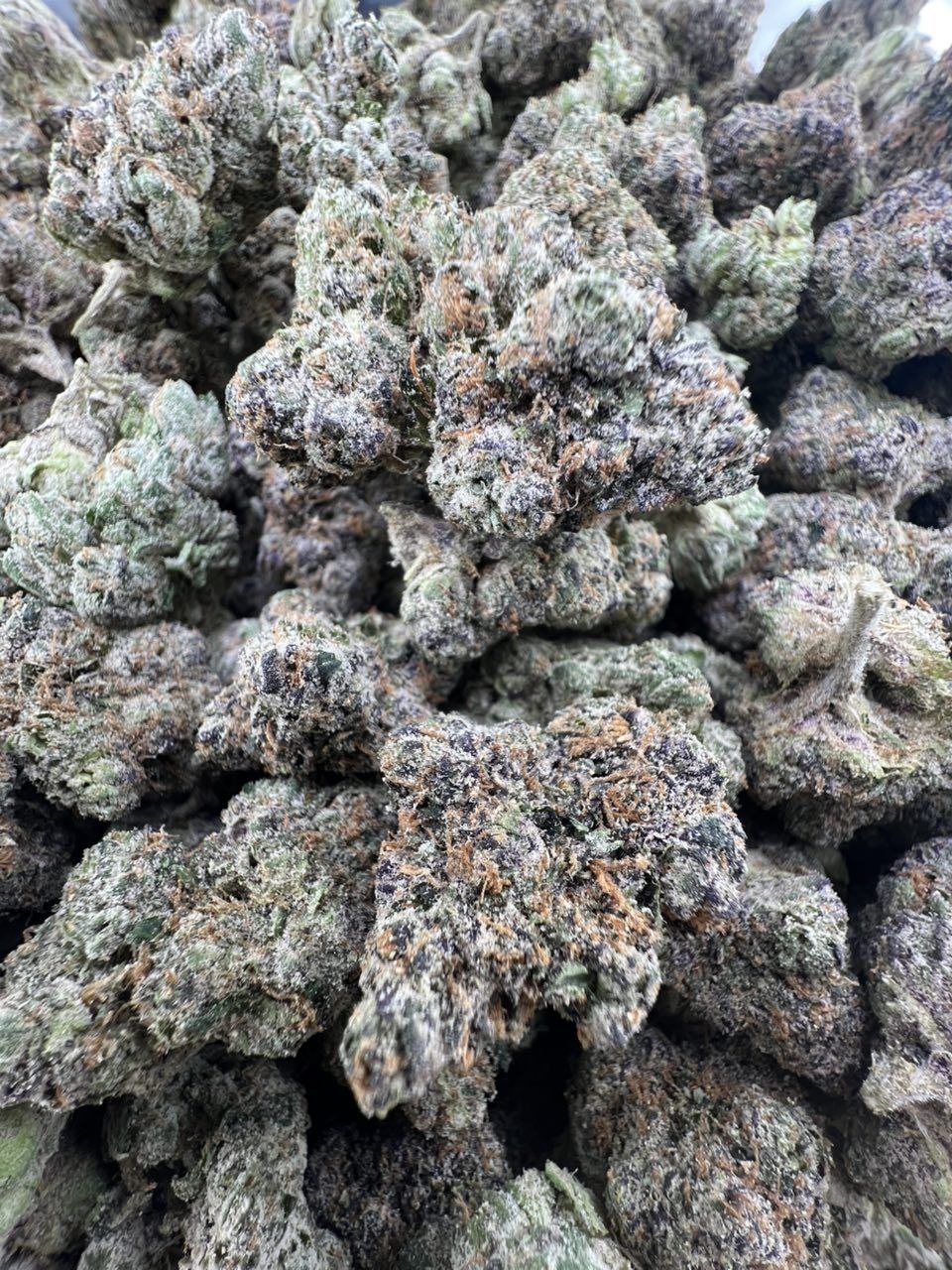
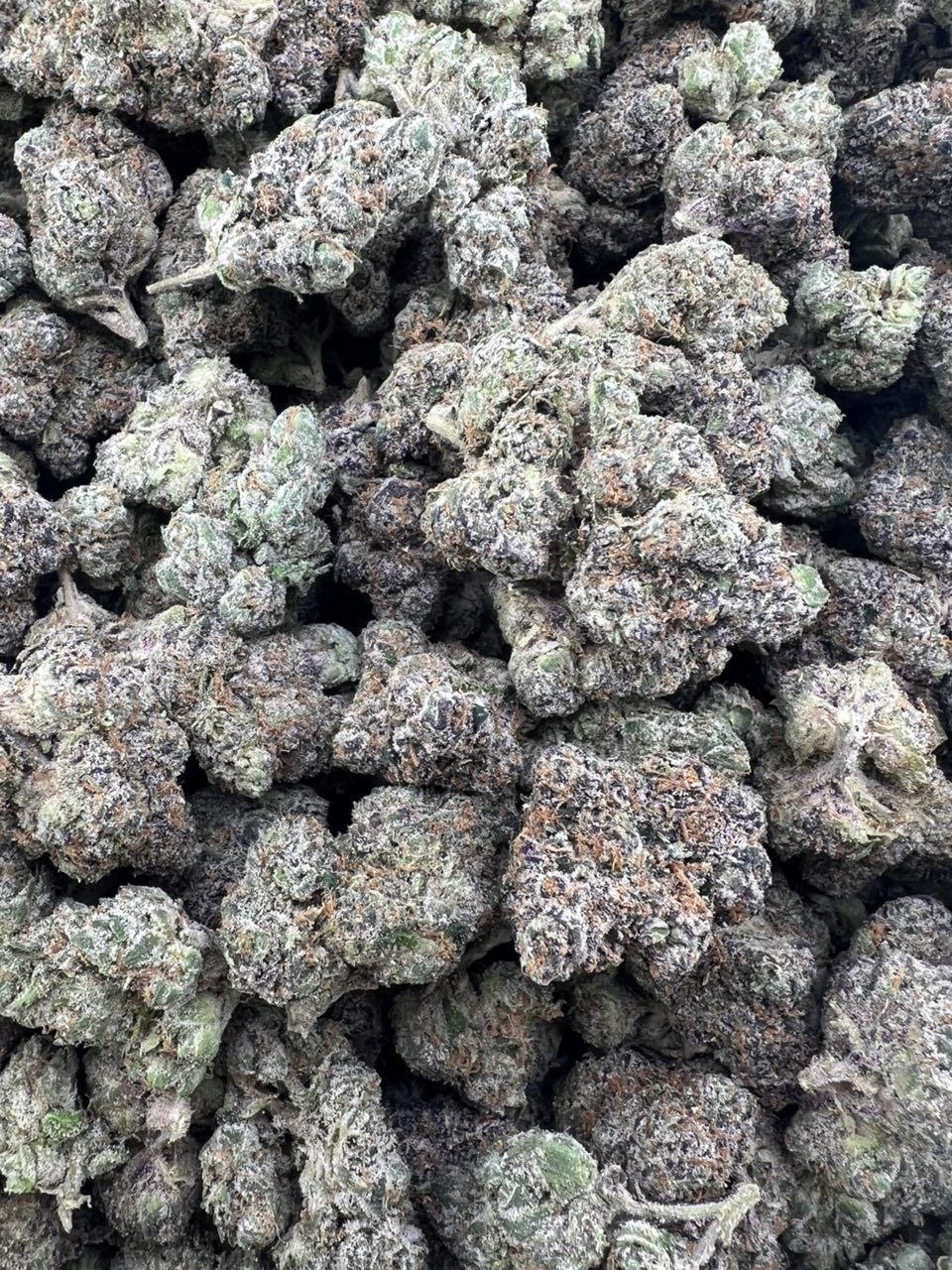
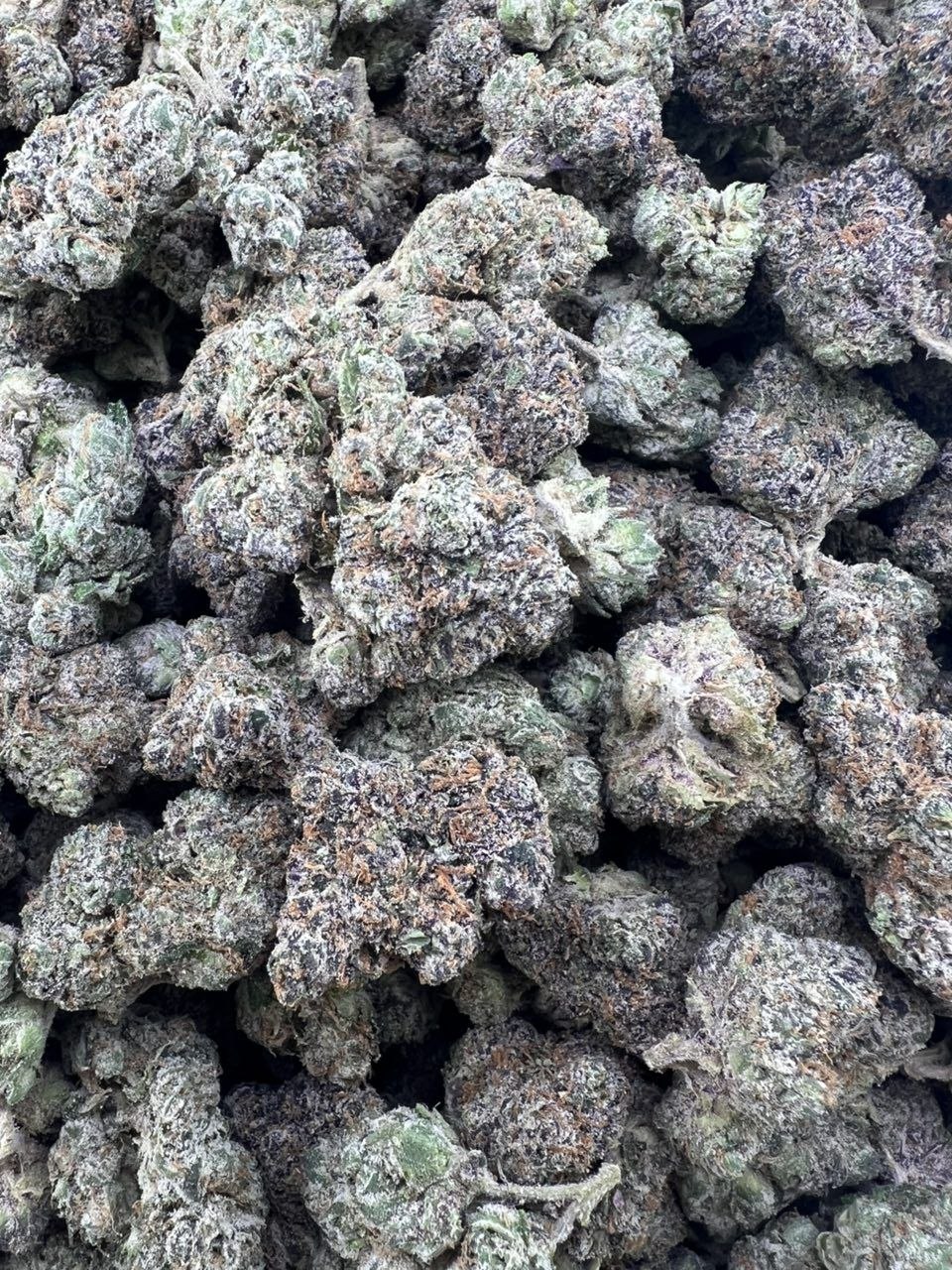
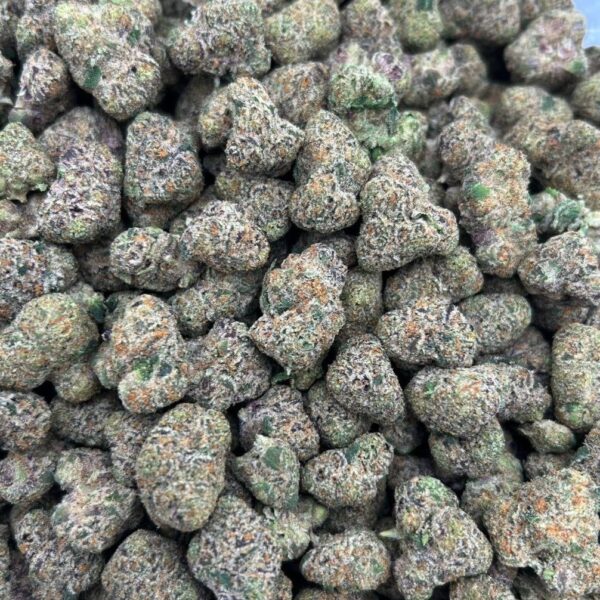
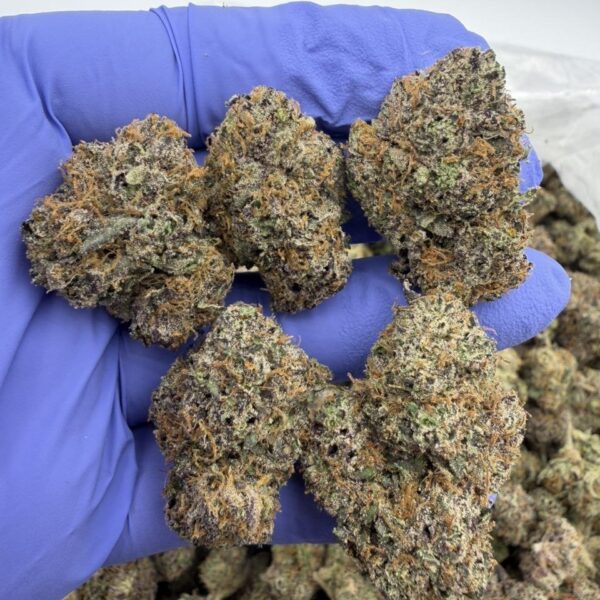
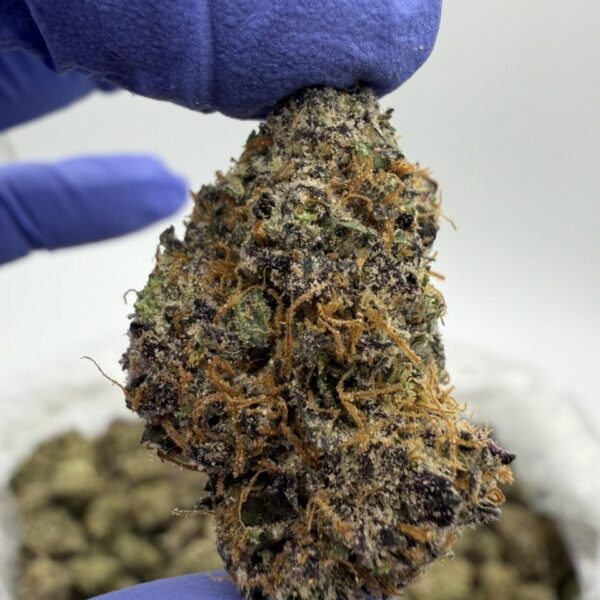
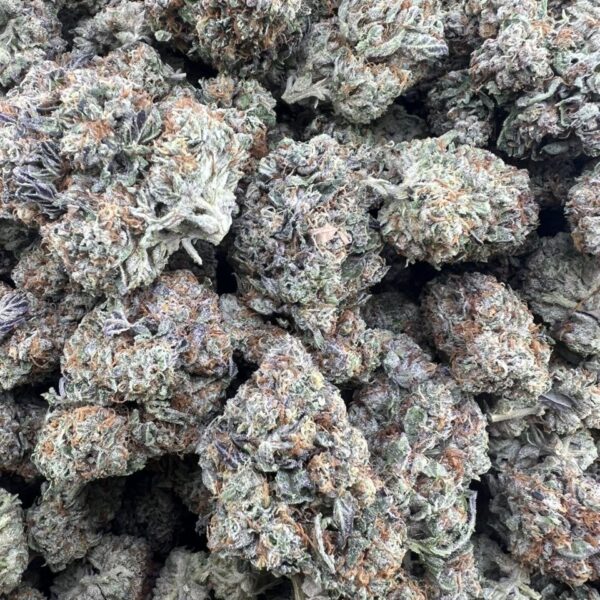
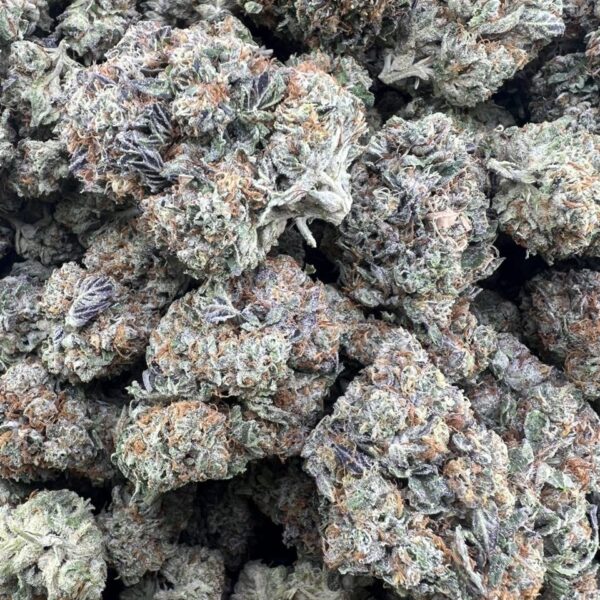
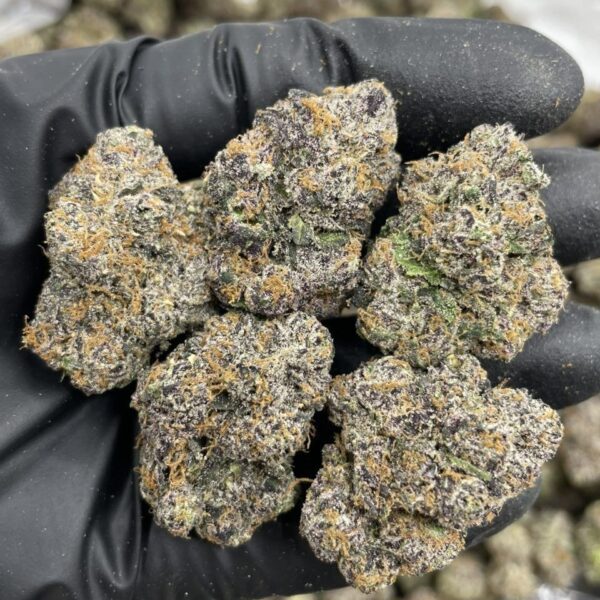
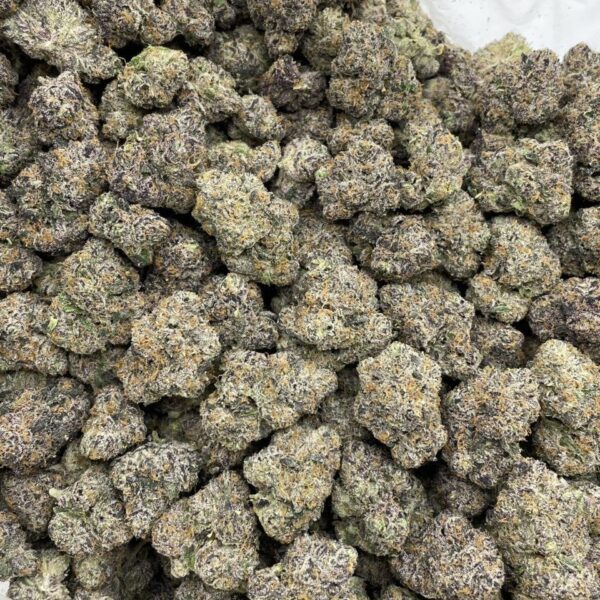
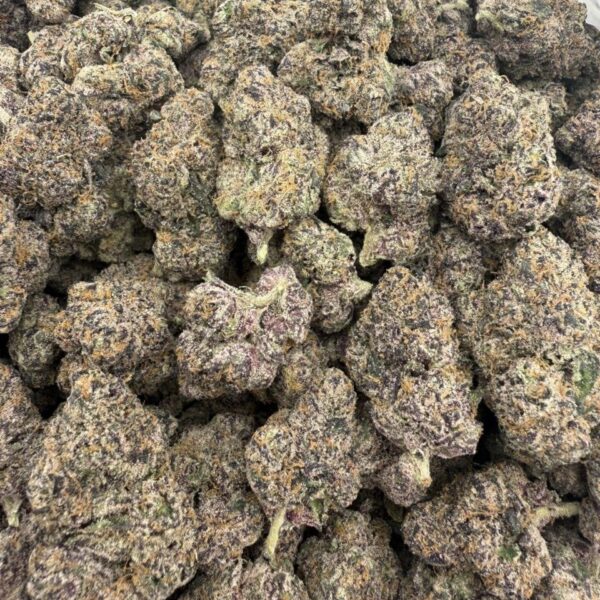
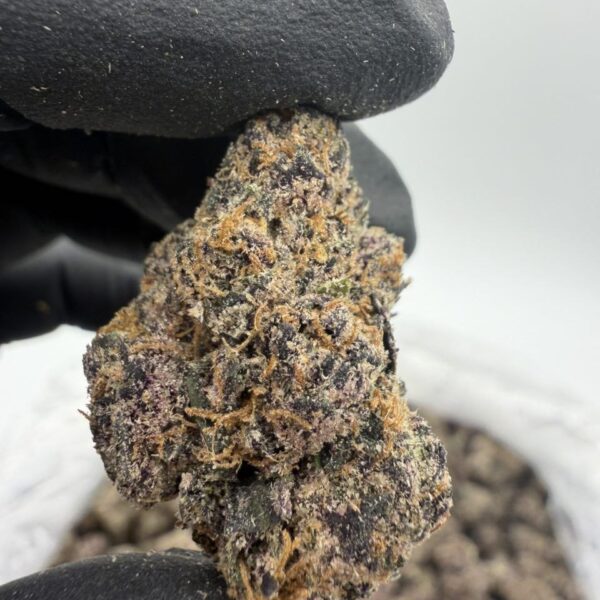
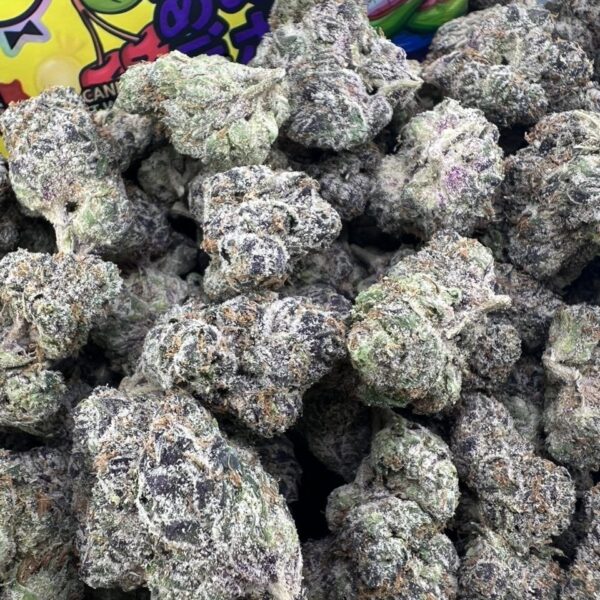
Slurricane plants grown in indoor environments typically display dense bud structures and carefully maintained growth patterns. Moreover, controlled lighting conditions contribute to uniform development, and because of this, the plant structure tends to remain consistent across harvests.
In addition, trichome development is influenced by stable environmental conditions. As a result, indoor-grown Slurricane often shows a refined and well-developed visual profile. Furthermore, structural consistency is one of the key advantages of licensed indoor cultivation systems.
Aroma and Sensory Profile
Slurricane is often described as having a complex aromatic profile influenced by its hybrid genetics. Moreover, indoor cultivation enhances terpene preservation, and because of this, the strain’s natural aromatic characteristics are better maintained.
In addition, environmental control helps reduce external contamination factors. As a result, the aroma profile remains more defined and consistent. Furthermore, terpene expression is often more noticeable in carefully managed indoor environments.
Cultivation Quality and Consistency
Consistency is one of the most important aspects of licensed indoor cultivation. Moreover, structured growing environments allow cultivators to replicate conditions across multiple cycles, and because of this, product uniformity is improved.
In addition, monitoring systems help maintain stable environmental conditions. As a result, variations in plant development are minimized. Furthermore, quality control processes ensure that cultivation standards remain aligned with regulatory requirements.
Product Handling and Storage Conditions
Proper storage conditions play an important role in preserving plant quality after harvest. Moreover, environmental factors such as heat, light exposure, and humidity can influence long-term stability, and because of this, controlled storage is recommended.
In addition, maintaining stable conditions helps preserve structural and aromatic integrity. As a result, product quality remains more consistent over time. Furthermore, proper handling practices are an essential part of post-harvest care in licensed systems.
Category Positioning and Market Relevance
Slurricane is positioned within the hybrid strain category, which continues to be one of the most widely recognized segments in the cannabis market. Moreover, consumer interest in hybrid strains has increased due to their balanced profiles, and because of this, strains like Slurricane remain relevant.
In addition, licensed indoor cultivation enhances product consistency. As a result, it aligns with regulatory expectations and quality standards. Furthermore, structured cultivation practices contribute to long-term market stability for this category.
Slurricane is a hybrid cannabis strain commonly associated with licensed indoor cultivation systems that prioritize consistency, environmental control, and structured growth conditions. Moreover, its genetic background and controlled production environment contribute to a stable and predictable cultivation profile, and because of this, it is widely recognized within its category.
In addition, indoor cultivation methods help maintain quality uniformity across production cycles. As a result, Slurricane remains a relevant strain within modern hybrid classifications. Furthermore, its structured cultivation approach reflects the broader shift toward regulated and standardized cannabis production systems.
Post-Harvest Processing and Quality Preservation
After licensed indoor cultivation, post-harvest handling plays a critical role in maintaining the integrity of Slurricane. Moreover, careful trimming, drying, and curing processes are used to stabilize the plant material, and because of this, the final product retains more consistent structural and aromatic qualities. In addition, controlled drying environments help reduce moisture imbalance, which can affect long-term preservation.
Furthermore, curing allows internal compounds to stabilize gradually over time. As a result, the overall profile becomes more refined and consistent. Consequently, post-harvest processes are considered just as important as cultivation itself in producing a high-quality final output.
Environmental Control Systems in Indoor Cultivation
Indoor cultivation environments rely heavily on automated control systems that regulate temperature, humidity, lighting, and airflow. Moreover, these systems are designed to maintain stable growing conditions, and because of this, plants develop in a more predictable and uniform manner. In addition, precision monitoring tools help growers adjust conditions in real time.
Furthermore, environmental stability reduces stress factors that can negatively impact plant development. As a result, growth cycles become more consistent across different batches. Consequently, environmental control is a defining feature of licensed indoor cultivation operations.
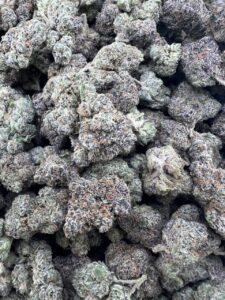
Slurricane
Consistency Across Production Cycles
One of the primary advantages of licensed indoor cultivation is the ability to replicate conditions across multiple growth cycles. Moreover, Slurricane benefits from this controlled repetition, and because of this, product uniformity is improved over time. In addition, standardized cultivation procedures help reduce variability between batches.
Furthermore, consistent production methods support quality assurance processes. As a result, each cycle can be evaluated against established benchmarks. Consequently, consistency becomes a central measure of cultivation success in regulated environments.
Strain Classification and Hybrid Balance
Slurricane is classified within the hybrid category, which generally refers to strains that combine characteristics from both indica and sativa lineages. Moreover, hybrid classification allows for a more balanced growth profile, and because of this, it offers greater flexibility in cultivation strategies. In addition, genetic balance influences structural development and overall plant behavior.
Furthermore, hybrid strains are often selected for their adaptability. As a result, they can perform well under controlled indoor conditions. Consequently, Slurricane fits naturally into modern cultivation systems that prioritize balance and stability.
Industry Standards and Licensing Compliance
Licensed indoor cultivation operates under strict regulatory frameworks designed to ensure product safety, consistency, and transparency. Moreover, compliance standards regulate every stage of production, and because of this, growers must maintain detailed control over environmental and operational conditions. In addition, documentation and monitoring systems are often required.
Furthermore, adherence to licensing standards supports product traceability. As a result, each stage of production can be verified for quality assurance. Consequently, regulatory compliance strengthens overall product reliability and market trust.
Consumer Information and Transparency
Modern cannabis markets place increasing importance on transparency and clear product information. Moreover, providing structured strain data helps consumers understand product origins and cultivation methods, and because of this, informed decision-making is improved. In addition, detailed strain profiles contribute to better category understanding.
Furthermore, transparency supports trust between producers and consumers. As a result, products like Slurricane are often documented with cultivation and classification details. Consequently, informational clarity has become a key factor in modern product presentation.
Long-Term Storage Stability
Proper storage conditions are essential for maintaining the quality of cured plant material over time. Moreover, exposure to heat, light, and humidity can degrade structural and aromatic integrity, and because of this, controlled storage environments are recommended. In addition, airtight containment helps preserve stability.
Furthermore, long-term storage practices ensure that product quality remains consistent beyond initial production. As a result, degradation is minimized when proper conditions are maintained. Consequently, storage control is a critical extension of post-harvest quality management.
Extended Summary
Slurricane, as a licensed indoor hybrid cannabis strain, represents a product of controlled cultivation, structured environmental management, and standardized production practices. Moreover, its development within regulated indoor systems ensures greater consistency, and because of this, it maintains a stable profile across production cycles. In addition, post-harvest processing and storage practices contribute significantly to its overall quality preservation.
Furthermore, the strain’s classification within the hybrid category reflects its balanced genetic structure and adaptability to controlled environments. As a result, Slurricane remains relevant within modern cultivation systems that emphasize precision, compliance, and consistency. Consequently, it stands as an example of how licensed indoor cultivation continues to shape standardized agricultural production within the cannabis industry.
Supply Chain Handling and Distribution Control
In licensed indoor cannabis production systems, distribution and handling are managed through structured supply chain processes. Moreover, Slurricane enters controlled distribution channels that prioritize traceability and consistency, and because of this, each batch can be tracked from cultivation to final delivery points. In addition, standardized handling procedures reduce variability during transportation.
Furthermore, temperature and environment control during storage and transit help maintain product stability. As a result, degradation risks are minimized before the product reaches its final stage. Consequently, supply chain discipline plays a key role in preserving the integrity established during cultivation and post-harvest processing.
Quality Assurance and Testing Protocols
Quality assurance is a critical component of licensed cultivation systems. Moreover, Slurricane undergoes structured testing protocols designed to evaluate consistency, purity standards, and overall product conformity, and because of this, regulatory benchmarks are maintained. In addition, standardized testing ensures that each batch meets required compliance thresholds.
Furthermore, repeated verification processes help reduce inconsistencies between production cycles. As a result, quality control becomes an ongoing process rather than a single checkpoint. Consequently, testing frameworks contribute significantly to product reliability and consumer transparency.
Genetic Stability and Phenotype Expression
Genetic stability plays an important role in how hybrid strains perform under controlled cultivation. Moreover, Slurricane benefits from selective breeding practices that aim to stabilize desirable traits, and because of this, phenotype expression tends to remain more consistent. In addition, stable genetics help reduce unpredictable variations across growth cycles.
Furthermore, controlled indoor environments enhance the ability to preserve genetic expression. As a result, growers can maintain more uniform outcomes across multiple harvests. Consequently, genetic stability becomes a foundational element in licensed cultivation success.
Environmental Sustainability Practices
Sustainability is becoming increasingly relevant in modern indoor cultivation systems. Moreover, energy efficiency, resource management, and controlled environmental cycling are often integrated into production systems, and because of this, operational impact is reduced over time. In addition, optimized resource usage helps improve long-term cultivation efficiency.
Furthermore, sustainable practices are increasingly aligned with regulatory expectations. As a result, cultivation systems are evolving toward more responsible resource consumption models. Consequently, sustainability is becoming an important factor in evaluating licensed production environments.
Industry Positioning and Product Recognition
Slurricane holds a recognizable position within the hybrid strain category, especially in markets where licensed indoor cultivation is prioritized. Moreover, its structured growth profile and consistent production methods contribute to its reputation, and because of this, it is frequently referenced within discussions of premium hybrid strains. In addition, controlled cultivation environments support its consistent classification.
Furthermore, product recognition is influenced by both cultivation quality and market documentation. As a result, strains produced under licensed systems often achieve stronger category identity. Consequently, Slurricane continues to maintain relevance within structured cannabis product segments.
Data-Driven Cultivation Improvements
Modern indoor cultivation systems increasingly rely on data collection and environmental analytics. Moreover, variables such as humidity, temperature, and lighting cycles are continuously monitored, and because of this, growers can make informed adjustments in real time. In addition, historical data helps improve future cultivation cycles.
Furthermore, data-driven decision-making enhances efficiency and reduces inconsistencies. As a result, production systems become more predictable over time. Consequently, analytics play a growing role in refining cultivation outcomes and improving overall product quality.
Final Comprehensive Technical Summary
Slurricane, when produced under licensed indoor cultivation systems, represents a structured agricultural product shaped by controlled environments, genetic stabilization, and regulated production standards. Moreover, every stage—from cultivation to post-harvest processing and distribution—is guided by standardized protocols, and because of this, consistency becomes a defining feature of its production lifecycle. In addition, environmental control systems and quality assurance frameworks help maintain uniformity across batches.
Furthermore, sustainability practices, data-driven cultivation methods, and strict compliance requirements contribute to the ongoing evolution of licensed production systems. As a result, Slurricane remains representative of modern hybrid strains cultivated under advanced indoor conditions. Consequently, its profile reflects the broader shift toward precision, regulation, and consistency in contemporary agricultural production systems.
Reviews
There are no reviews yet.