
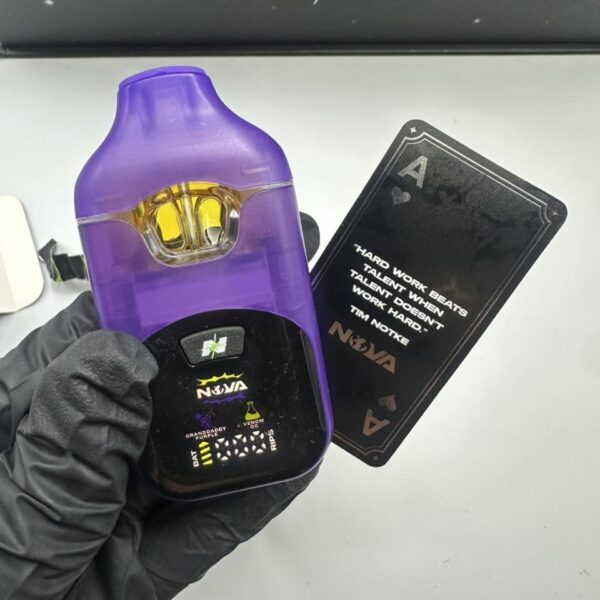
Uni 2G Disposable 3-in-1 Device – Compact System Overview
Introduction
The Uni 2G Disposable 3-in-1 device belongs to the compact device category, where design focuses on portability, simplified operation, and structured internal organization. Moreover, products in this segment are typically developed to support consistent system behavior within a small physical footprint, and because of this, they are often discussed in terms of usability, balance, and internal efficiency rather than technical complexity alone.
In addition, the 3-in-1 structure suggests a multi-path internal configuration that separates functions within a unified frame. As a result, the device category is associated with a more integrated system design. Furthermore, compact engineering allows the device to maintain a practical form factor while preserving internal organization, which is one of the main reasons this format continues to attract attention in portable device discussions.
Product Overview

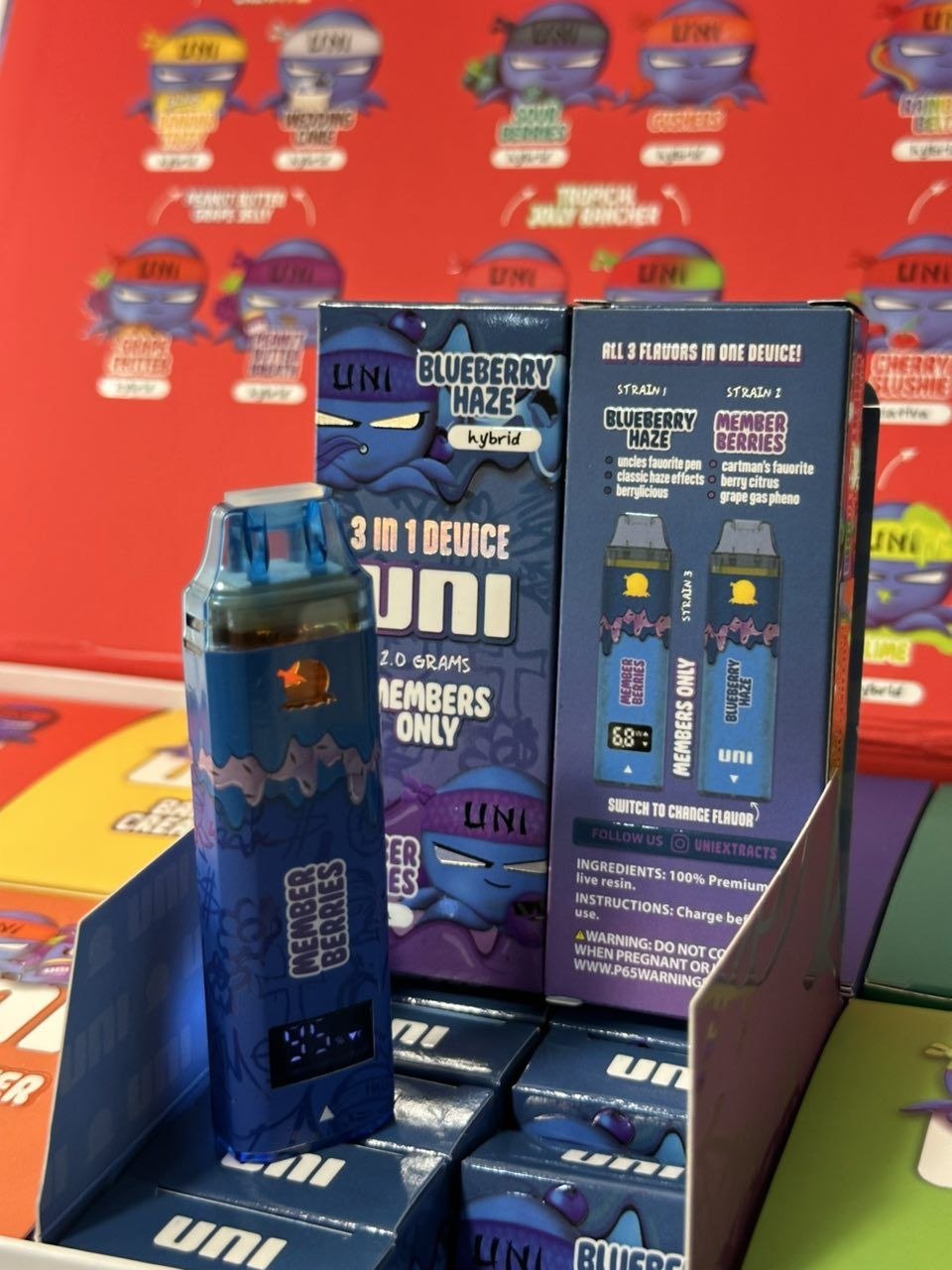
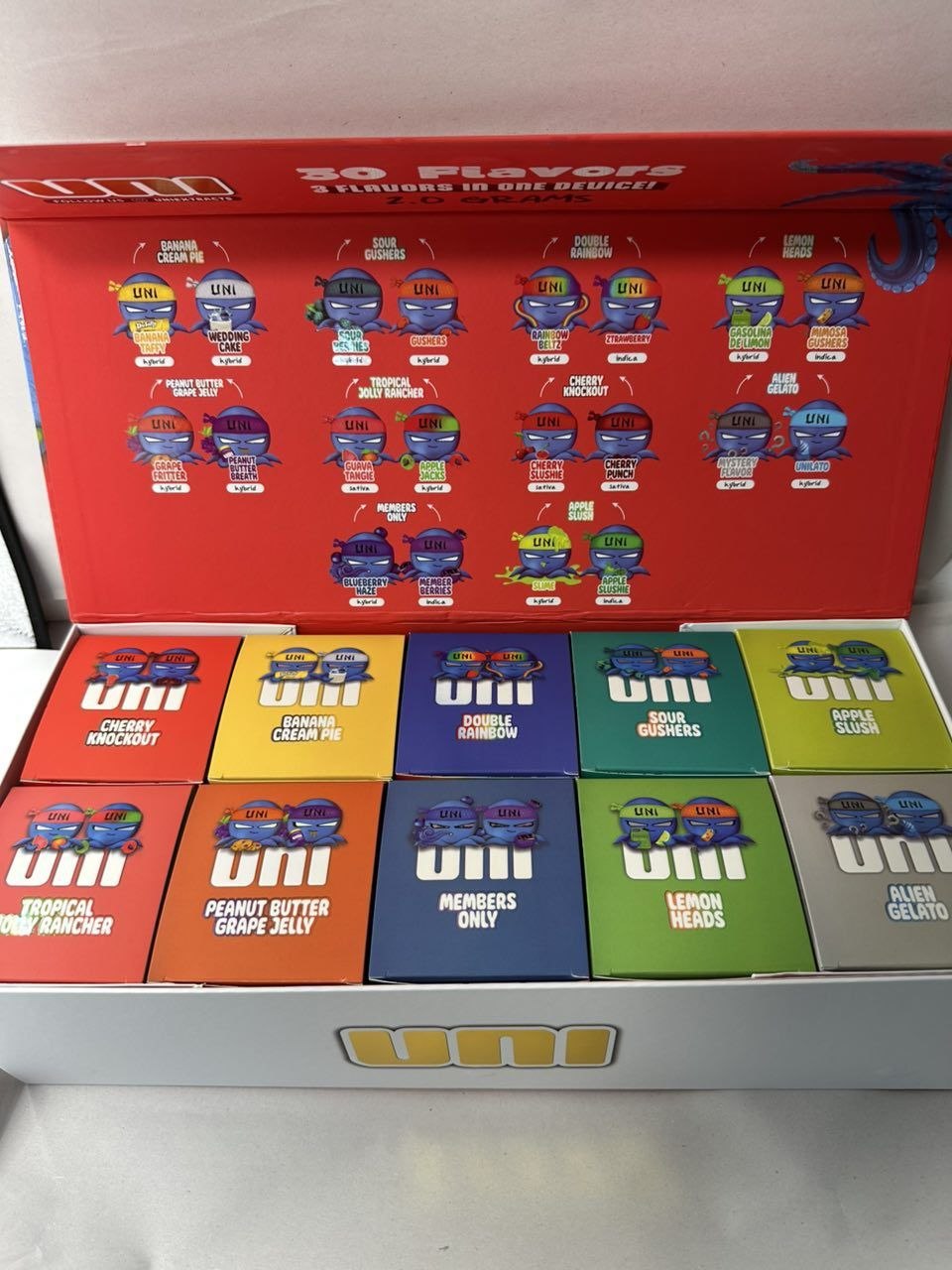
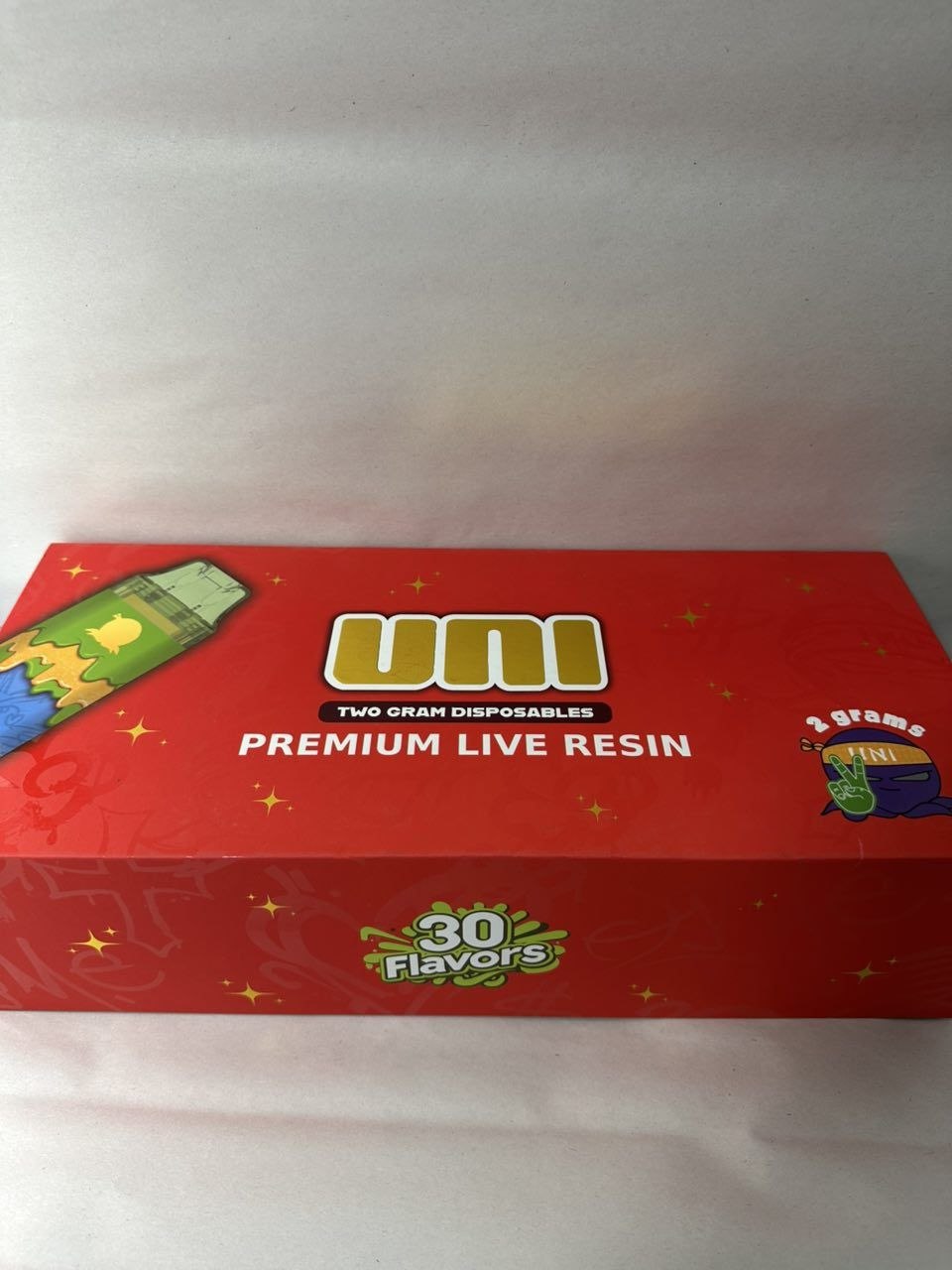
Uni 2G Disposable 3-in-1 Device
The Uni 2G Disposable 3-in-1 device is positioned as a compact system that combines a 2G capacity profile with a multi-channel internal layout. Moreover, this type of structure is designed to balance performance expectations with portability, and because of this, it fits naturally into the modern compact device segment. In addition, the overall format supports simple handling and minimal operational complexity.
As a result, the device category is often evaluated through the lens of structural design, internal balance, and ease of use. Furthermore, the 3-in-1 designation highlights a more advanced arrangement than single-channel compact systems, which gives the product a distinct place within its category. Consequently, the design language emphasizes integration rather than visual excess.
Key Features
Compact Internal Structure
The internal structure of the Uni 2G Disposable 3-in-1 device is built around space efficiency and organized component placement. Moreover, compact integration allows the system to maintain stability within a smaller shell, and because of this, internal movement is reduced. In addition, the structure supports clearer alignment between the device’s functional elements.
As a result, the product maintains a more controlled internal environment. Furthermore, efficient layout design helps preserve consistency across repeated use cycles. Consequently, the compact structure becomes one of the defining features of the device category.
3-in-1 Configuration
The 3-in-1 format suggests that the internal system is arranged to support multiple functional pathways within one device body. Moreover, this design approach allows different internal sections to work within a shared framework, and because of this, the device reflects a more advanced category of compact engineering.
In addition, multi-path organization helps distinguish the device from simpler single-channel formats. As a result, the system can be understood as part of a broader movement toward functional integration in smaller devices. Furthermore, this structure supports a more layered and structured internal layout.
Portable Form Factor
Portability remains one of the strongest characteristics of compact disposable systems. Moreover, the Uni 2G Disposable 3-in-1 device is designed to support everyday handling, and because of this, it can be carried and stored with minimal inconvenience. In addition, the reduced form factor makes it suitable for users who prioritize convenience.
As a result, portability becomes a core part of the product’s identity rather than a secondary feature. Furthermore, compact sizing helps align the device with broader trends in mobile electronic design. Consequently, the device fits neatly into modern portable product categories.
Performance and System Behavior
Performance in compact device systems depends on internal balance, structural alignment, and consistent internal routing. Moreover, the Uni 2G Disposable 3-in-1 device is associated with a system design that emphasizes steady behavior across typical usage cycles, and because of this, consistency is a central element of its category identity.
In addition, the multi-path structure may support more even internal distribution, which can contribute to predictable operation. As a result, the system remains aligned with the expectations of users who value stability and simplicity. Furthermore, compact engineering continues to evolve toward improved internal coordination, which strengthens the relevance of this device type. Consequently, performance is closely tied to system design rather than external appearance alone.
Design and Build Quality
The design of the Uni 2G Disposable 3-in-1 device reflects a balance between compact engineering and structural practicality. Moreover, the outer shell is typically arranged to protect internal components while preserving a streamlined profile, and because of this, the device maintains both portability and structure. In addition, design choices often emphasize minimal bulk and efficient use of space.

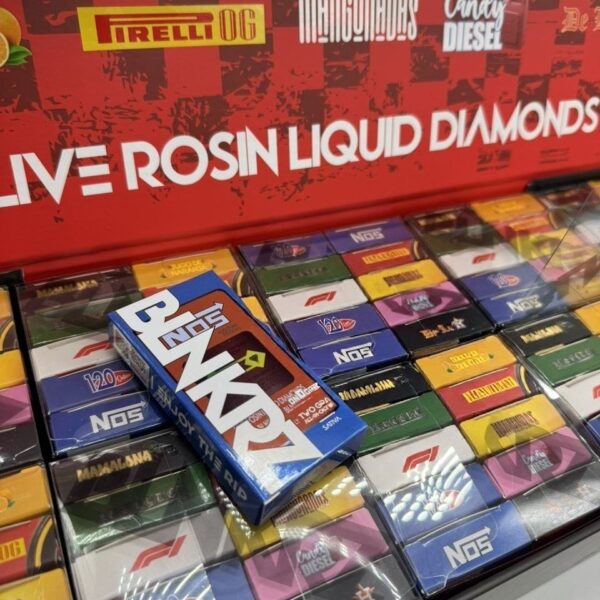
Uni 2G Disposable 3-in-1 Device
As a result, the product remains easy to handle and store. Furthermore, compact devices in this category often rely on durable outer materials to support regular use. Consequently, build quality becomes an important part of the overall evaluation because it influences both longevity and usability.
Usage Guidance
Compact disposable systems are generally designed for straightforward use. Moreover, the Uni 2G Disposable 3-in-1 device fits within this category by offering a simplified operational model, and because of this, it reduces the need for technical setup. In addition, the intuitive structure makes the device accessible across different user levels.
As a result, usage remains direct and uncomplicated. Furthermore, proper storage in a cool, dry environment helps maintain system stability over time. Consequently, the device category is often assessed based on ease of handling as much as internal structure.
Benefits of Compact 3-in-1 Systems
The compact 3-in-1 category offers several structural and usability advantages. Moreover, the Uni 2G Disposable 3-in-1 device combines portability, internal organization, and simplified operation, and because of this, it reflects the growing demand for efficient compact systems. In addition, the multi-path format supports a more structured internal design.
As a result, the device category appeals to users who want a smaller form factor without sacrificing internal organization. Furthermore, compact systems often provide a more practical everyday experience because they require less space and minimal maintenance. Consequently, the overall category continues to grow in relevance across portable electronic product segments.
Frequently Asked Questions
What does 3-in-1 mean in this device category?
It generally refers to a multi-path internal structure that combines several functional sections within one compact body.
What does 2G indicate?
It usually refers to a capacity or classification standard within compact device categories. Uni 2G Disposable 3-in-1 Device Uni 2G Disposable 3-in-1 Device Uni 2G Disposable 3-in-1 Device Uni 2G Disposable 3-in-1 Device
Is the device portable?
Yes, the compact format is designed for easy handling and storage. Uni 2G Disposable 3-in-1 Device Uni 2G Disposable 3-in-1 Device Uni 2G Disposable 3-in-1 Device Uni 2G Disposable 3-in-1 Device
Does it require setup?
No, compact disposable systems are generally designed for simplified operation. Uni 2G Disposable 3-in-1 Device Uni 2G Disposable 3-in-1 Device Uni 2G Disposable 3-in-1 Device
Conclusion
The Uni 2G Disposable 3-in-1 device represents a compact device category built around portability, structured internal organization, and simplified operation. Moreover, its 3-in-1 internal concept reflects a more integrated approach to compact engineering, and because of this, it occupies a distinct position within portable device discussions. In addition, its balance of size, structure, and usability makes it relevant in modern compact system design.
As a result, the device category continues to align with current expectations for practical and efficient portable systems. Furthermore, ongoing improvements in compact engineering continue to strengthen the role of multi-path device architectures. Consequently, the Uni 2G Disposable 3-in-1 device stands as an example of how compact design continues to evolve toward greater organization and efficiency.
Internal Airflow Architecture and Flow Control
The internal airflow architecture in compact 3-in-1 systems plays a critical role in maintaining balance and operational consistency. Moreover, the Uni 2G Disposable 3-in-1 device is designed with structured internal routing that helps guide airflow in a controlled manner, and because of this, internal movement remains more stable across usage cycles. In addition, controlled airflow pathways reduce turbulence within the system, which contributes to smoother internal behavior.
Furthermore, airflow control is closely tied to the overall efficiency of compact device performance. As a result, systems with optimized internal pathways tend to deliver more predictable operation. Consequently, airflow engineering becomes one of the most important technical foundations in this category of devices.
Structural Engineering and Internal Balance
Structural engineering in compact devices focuses on how internal components are arranged within a limited space. Moreover, the Uni 2G Disposable 3-in-1 system is built around a compact integration model, and because of this, internal components are positioned to maintain balance and reduce unnecessary movement. In addition, structured alignment supports consistent internal function during repeated use.
Furthermore, internal balance is essential for maintaining reliability over time. As a result, well-structured systems demonstrate fewer inconsistencies in performance. Consequently, structural engineering directly influences both durability and operational stability in compact systems.
Multi-Channel System Integration
The 3-in-1 configuration introduces a multi-channel internal layout where different functional pathways are integrated into a unified system. Moreover, this design approach allows multiple internal processes to operate within a shared structure, and because of this, the device achieves a higher level of internal organization compared to simpler formats.
In addition, multi-channel integration helps distribute internal workload more evenly. As a result, system balance is improved across different operational states. Furthermore, this type of architecture reflects a broader trend in compact device design where efficiency and structure are prioritized together. Consequently, multi-channel systems represent an evolution in compact engineering principles.
Consistency and Performance Stability
Consistency is one of the most important indicators of quality in compact electronic systems. Moreover, the Uni 2G Disposable 3-in-1 device is associated with a structured internal layout that supports stable behavior, and because of this, performance remains more uniform over time. In addition, controlled internal pathways help reduce variability during operation.
Furthermore, stable performance is achieved through the interaction of airflow design, structural alignment, and internal regulation. As a result, the system maintains predictable behavior across typical usage cycles. Consequently, consistency becomes a defining characteristic of this product category.
Compact Efficiency and Space Utilization
Efficient use of internal space is a key requirement in compact device design. Moreover, the Uni 2G Disposable 3-in-1 system is engineered to maximize functionality within a limited physical footprint, and because of this, each component is carefully positioned to support overall balance. In addition, compact efficiency reduces wasted internal space.
Furthermore, optimized space utilization allows the device to remain small while still supporting structured internal organization. As a result, the system achieves a balance between portability and functionality. Consequently, compact efficiency is a central principle in modern device engineering.
Ergonomic Handling and User Interaction
Ergonomic design influences how comfortably and intuitively a device can be used. Moreover, the Uni 2G Disposable 3-in-1 device is structured to support natural handling, and because of this, it fits comfortably within standard usage patterns. In addition, balanced dimensions contribute to improved grip and ease of use.
Furthermore, simplified interaction design reduces unnecessary complexity. As a result, users can engage with the device without requiring additional learning steps. Consequently, ergonomics plays an important role in shaping overall usability and user experience.
Design Evolution and Product Refinement
The development of compact systems often follows a process of continuous refinement. Moreover, the Uni 2G Disposable 3-in-1 device reflects iterative design improvements, and because of this, its structure benefits from ongoing optimization. In addition, each refinement cycle typically enhances internal balance and external design consistency.
Furthermore, product evolution helps address limitations found in earlier designs. As a result, newer systems tend to demonstrate improved efficiency and usability. Consequently, design evolution remains a key driver of innovation in compact device categories.
System Reliability in Real-World Use
Reliability refers to how consistently a device performs under normal conditions. Moreover, the Uni 2G Disposable 3-in-1 system is designed with internal stability in mind, and because of this, it maintains structured performance during regular use. In addition, reliable systems reduce unexpected variation in operation.
Furthermore, reliability is influenced by both internal engineering and material quality. As a result, well-designed compact devices tend to perform more consistently over time. Consequently, reliability is a major factor in user satisfaction and product evaluation.
Expanded Technical Summary
The Uni 2G Disposable 3-in-1 device represents a compact system architecture that combines portability, structured internal design, and multi-channel integration. Moreover, its 3-in-1 configuration reflects a more advanced approach to compact engineering, and because of this, it offers a higher level of internal organization compared to simpler models. In addition, its 2G classification places it within a balanced compact category that emphasizes usability and efficiency.
Furthermore, the system’s design focuses on maintaining internal stability through airflow control, structural alignment, and compact space optimization. As a result, it achieves a consistent operational profile across typical usage conditions. Consequently, this device category continues to align with modern expectations for simplified, efficient, and portable systems.
Extended Summary
The Uni 2G Disposable 3-in-1 device stands as a representation of modern compact system design, where efficiency, structure, and usability are combined into a unified format. Moreover, its multi-channel internal architecture reflects a growing emphasis on integrated system design, and because of this, it provides a more organized approach to compact functionality. In addition, its portable form factor ensures that it remains practical for everyday handling.
As a result, the device category continues to evolve in response to increasing demand for simplified and efficient systems. Furthermore, improvements in internal engineering and design refinement contribute to greater consistency and usability. Consequently, the Uni 2G Disposable 3-in-1 system remains relevant within the broader landscape of compact device technology.
Long-Term System Efficiency and Design Longevity
Long-term efficiency in compact systems depends on how well internal structures maintain balance over extended periods of use. Moreover, the Uni 2G Disposable 3-in-1 device is associated with a compact engineering model that prioritizes stability, and because of this, its internal organization supports sustained operational consistency. In addition, carefully arranged internal pathways help reduce structural stress that can build up during repeated cycles.
Furthermore, design longevity is not only influenced by physical construction but also by how efficiently the system manages internal flow and alignment. As a result, devices built with structured integration tend to maintain performance characteristics more effectively over time. Consequently, longevity becomes a reflection of both engineering precision and compact design strategy.
System Refinement and Engineering Progression
Refinement in compact device systems occurs through continuous improvements in structure, layout, and internal coordination. Moreover, the Uni 2G Disposable 3-in-1 device reflects this progression, and because of this, it benefits from iterative enhancements in design logic. In addition, refinement processes help optimize how internal components interact within limited space.
Furthermore, engineering progression often leads to improved balance between performance and size. As a result, newer compact systems demonstrate greater efficiency without increasing complexity. Consequently, refinement becomes a core driver in the evolution of modern portable device categories.
Functional Harmony Across Internal Systems
Functional harmony refers to how effectively different internal systems operate together as a unified structure. Moreover, the Uni 2G Disposable 3-in-1 device is designed with integrated pathways that support coordinated operation, and because of this, internal processes remain aligned during use. In addition, synchronized system behavior reduces internal conflict between components.
Furthermore, harmonious integration improves overall consistency and predictability. As a result, performance becomes smoother and more controlled across usage cycles. Consequently, functional harmony is a key indicator of advanced compact system design.
Compact Innovation and Market Evolution
The compact device category continues to evolve as innovation drives improvements in efficiency, usability, and structure. Moreover, the Uni 2G Disposable 3-in-1 system reflects this ongoing evolution, and because of this, it aligns with modern expectations for portable and simplified technology. In addition, innovation focuses on reducing unnecessary complexity while improving internal organization.
Furthermore, market evolution shows a clear shift toward systems that prioritize integration and compact performance. As a result, devices in this category are increasingly designed with user convenience and structural efficiency in mind. Consequently, compact innovation remains central to the development of portable systems.
Final Technical Overview
The Uni 2G Disposable 3-in-1 device represents a structured compact system built around portability, internal integration, and simplified operational design. Moreover, its 3-in-1 configuration introduces a multi-path internal structure that enhances organizational efficiency, and because of this, it reflects a more advanced approach within compact device engineering. In addition, the 2G classification positions it within a balanced category that emphasizes both size efficiency and functional structure.
Furthermore, the system’s design integrates airflow control, structural alignment, and compact space optimization to maintain consistent behavior across usage cycles. As a result, it delivers a stable and predictable operational profile within its category. Consequently, the device stands as a representation of modern compact engineering principles focused on efficiency and simplicity.
Final Comprehensive Summary
The Uni 2G Disposable 3-in-1 device is best understood as a compact engineering system that combines structured internal design, multi-channel integration, and portable form factor efficiency. Moreover, its architecture reflects a broader shift in modern device development toward simplified, organized, and space-efficient systems, and because of this, it maintains strong relevance within its category.
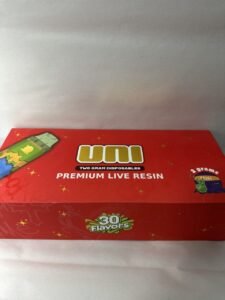
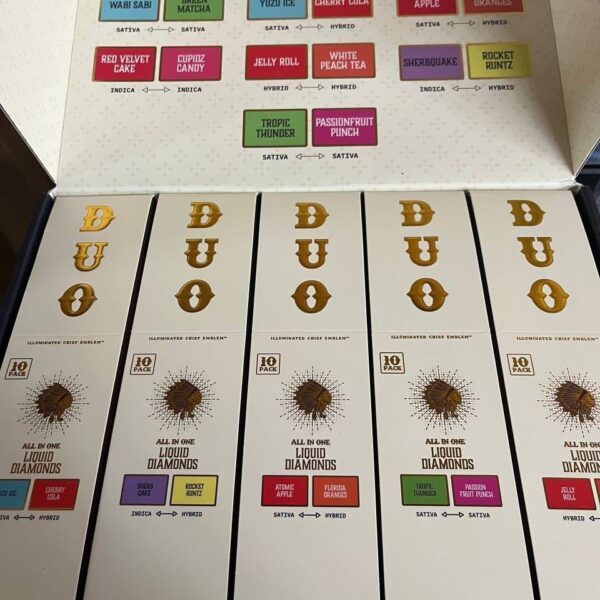
Uni 2G Disposable 3-in-1 Device
In addition, the integration of airflow management, internal alignment, and refined structural layout contributes to stable and consistent system behavior. As a result, the device category emphasizes reliability, usability, and compact efficiency as core principles. Furthermore, ongoing design refinement continues to improve how such systems operate within real-world conditions.
Consequently, the Uni 2G Disposable 3-in-1 device represents the evolution of compact systems into more structured, efficient, and user-focused designs, marking it as part of a growing generation of streamlined portable technology.












Admin –
Best by PACKPRO