
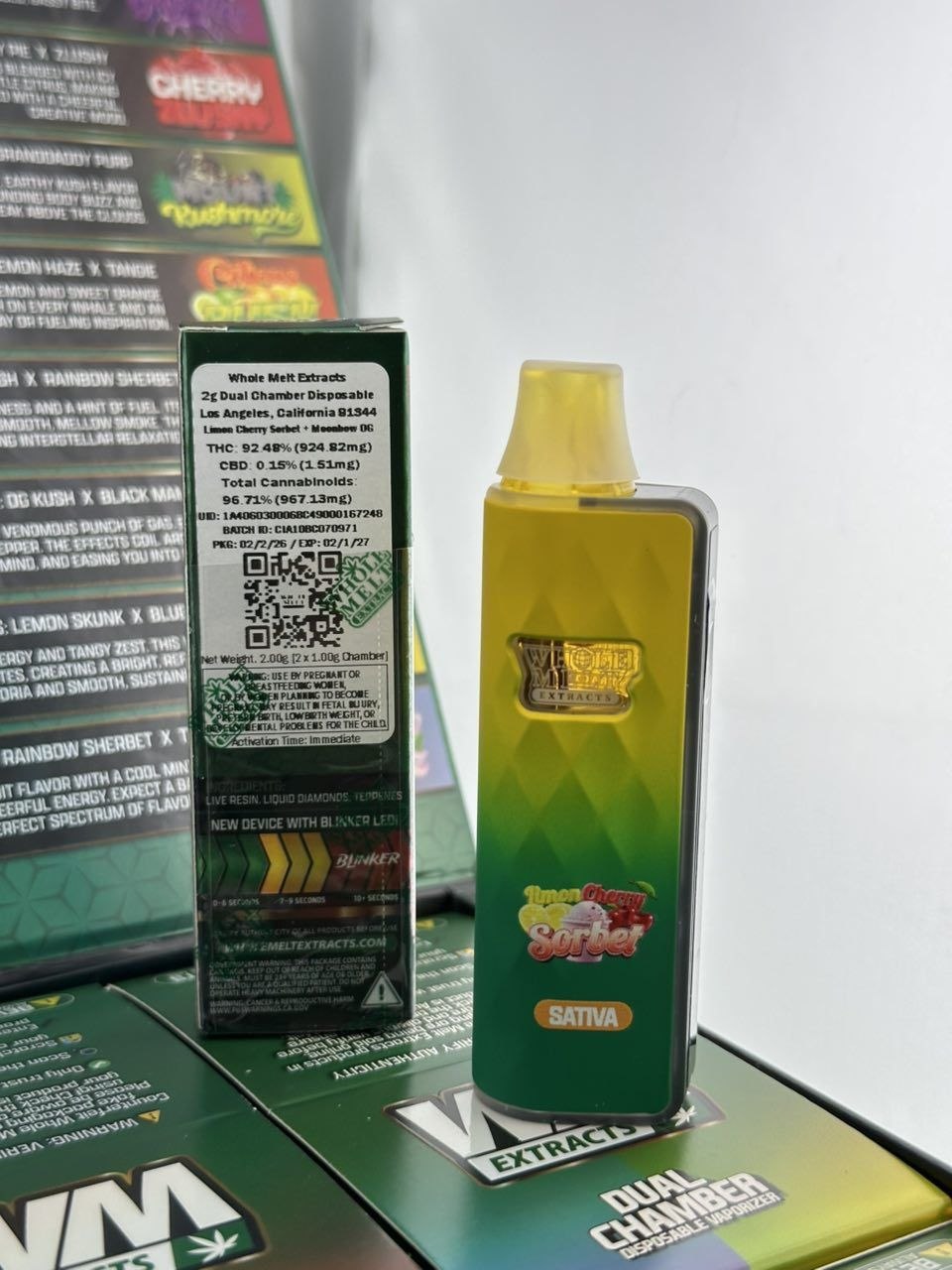


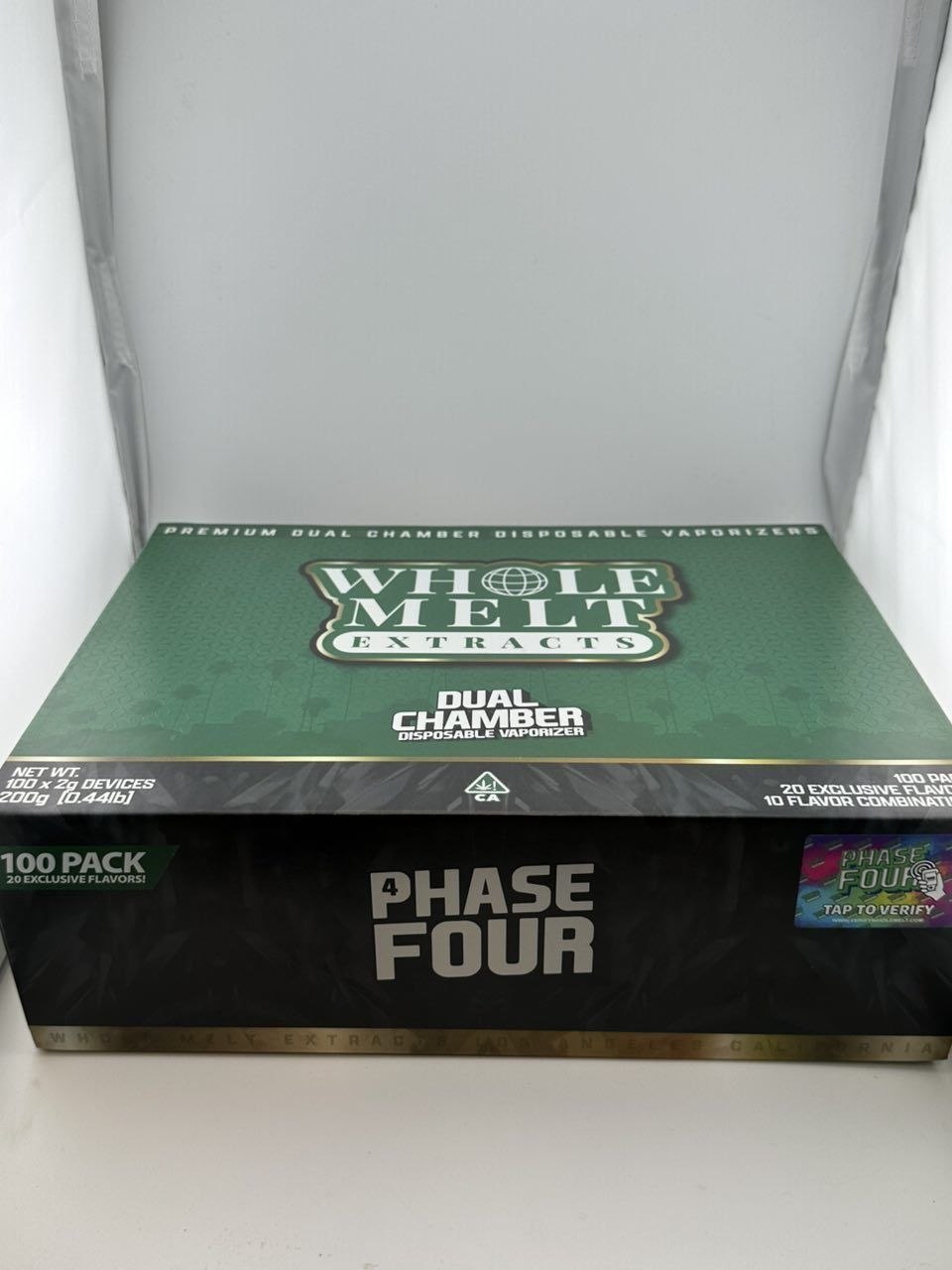


Whole Melt Extracts Phase Four 2G Disposable – Device System Overview
Product Overview
The Whole Melt Extracts Phase Four 2G Disposable belongs to a modern compact device category that focuses on integrated structure, portability, and simplified operation. Moreover, this category reflects a continued evolution in compact system design, and because of this, products are typically evaluated based on efficiency, internal stability, and ease of use rather than complexity.

Whole Melt Extracts Phase Four 2G
In addition, the “Phase Four” classification suggests an advanced stage in design iteration, where improvements are made to internal organization and system refinement. As a result, the device sits within a structured progression of compact systems that emphasize consistency and usability. Furthermore, the 2G format represents a balanced compact size that prioritizes portability while maintaining functional integrity.
System Design and Internal Architecture
The internal architecture of the Phase Four 2G system is built around compact integration principles where components are arranged to maximize efficiency within a limited space. Moreover, this structured design helps ensure that internal elements operate in alignment, and because of this, system balance is maintained throughout usage.
In addition, controlled internal pathways support stable operational flow. As a result, the system can maintain more consistent behavior under standard conditions. Furthermore, compact engineering reduces unnecessary structural complexity, which contributes to overall reliability. Consequently, internal architecture plays a central role in device performance.
Key Structural Features
Compact 2G Design Framework
The 2G structure is designed to maintain a balance between portability and internal organization. Moreover, this allows the system to remain lightweight while still supporting structured functionality. In addition, compact design improves handling and storage efficiency.
Phase Four Engineering Improvements
The Phase Four designation reflects iterative refinement in system design. Furthermore, improvements are typically focused on internal alignment and structural optimization, and because of this, newer iterations often demonstrate more stable behavior. As a result, design evolution enhances system consistency.
Integrated Operation System
The device uses a simplified internal operation model where functions are coordinated within a unified structure. Moreover, this reduces complexity and improves usability. Consequently, interaction becomes more straightforward and predictable. Whole Melt Extracts Phase Four 2G Whole Melt Extracts Phase Four 2G Whole Melt Extracts Phase Four 2G Whole Melt Extracts Phase Four 2G
Performance and System Behavior
Performance in compact systems depends on airflow balance, internal regulation, and structural alignment. Moreover, the Phase Four 2G system is designed to support stable operational behavior, and because of this, consistency becomes a key performance characteristic.
In addition, controlled internal pathways help reduce irregular fluctuations during operation. As a result, the system maintains smoother performance over time. Furthermore, improvements in compact engineering contribute to better overall stability. Consequently, performance reliability is a defining factor in this category.
Design and Build Quality
The design of the Whole Melt Extracts Phase Four 2G Disposable emphasizes structural efficiency and compact durability. Moreover, internal components are arranged in a controlled layout, and because of this, alignment is preserved during use. In addition, the outer housing is designed to provide protection while maintaining a lightweight profile. Whole Melt Extracts Phase Four 2G Whole Melt Extracts Phase Four 2G Whole Melt Extracts Phase Four 2G

Whole Melt Extracts Phase Four 2G
Furthermore, build quality ensures that both internal and external elements work together to support long-term usability. As a result, the device maintains consistent structural integrity. Consequently, design quality plays a major role in overall system reliability.
Usage and Operational Simplicity
The system is designed for simplified operation, reducing unnecessary steps and complexity. Moreover, this allows users to interact with the device in a straightforward manner, and because of this, accessibility is improved. In addition, intuitive design supports consistent usage behavior.
As a result, the system can be operated without advanced technical knowledge. Furthermore, simplified functionality contributes to ease of use in everyday environments. Consequently, usability remains one of the strongest aspects of compact systems.
Benefits of Compact Phase Four Systems
Compact Phase Four systems offer several advantages related to portability, structured design, and operational efficiency. Moreover, their integrated construction allows for efficient use of internal space, and because of this, they remain practical for everyday handling.
In addition, reduced complexity improves user accessibility. As a result, systems in this category are easier to operate and maintain. Furthermore, consistent internal design supports reliable performance. Consequently, these benefits make compact systems widely adopted in modern device categories.
Safety and Storage Considerations
Proper storage is essential for maintaining system stability in compact electronic devices. Moreover, environmental conditions such as temperature and humidity can influence internal performance, and because of this, controlled storage is recommended.
In addition, stable conditions help preserve structural integrity over time. As a result, the system maintains more consistent behavior. Furthermore, responsible handling supports long-term reliability. Consequently, proper care contributes to overall device longevity.
Market Position and Category Relevance
The Phase Four 2G category fits within a growing segment of compact systems that emphasize portability and structured internal design. Moreover, this category continues to expand as users increasingly prefer efficient and easy-to-use systems, and because of this, compact devices remain highly relevant in modern markets.
In addition, iterative improvements in design strengthen category positioning. As a result, newer systems offer improved consistency and usability. Furthermore, the balance between form and function continues to define this product segment. Consequently, market relevance remains strong.
The Whole Melt Extracts Phase Four 2G Disposable represents a structured compact system category focused on portability, internal efficiency, and simplified operation. Moreover, its Phase Four designation reflects ongoing design refinement, and because of this, it aligns with modern expectations for compact system performance and usability.
In addition, improvements in internal architecture, material design, and operational consistency contribute to a more stable overall system. As a result, the category continues to evolve toward greater efficiency and reliability. Furthermore, its compact structure and simplified design ensure long-term relevance in the portable device market.
Extended System Stability and Performance Consistency
System stability in compact devices like the Phase Four 2G category is defined by how consistently internal components perform under normal operating conditions. Moreover, the Whole Melt Extracts Phase Four 2G Disposable is structured around controlled internal alignment, and because of this, it is designed to reduce performance variation across repeated use cycles. In addition, stable internal configuration helps maintain predictable system behavior over time.
Furthermore, consistency is not achieved through a single factor but through the combined effect of airflow regulation, structural balance, and component integration. As a result, the system maintains a more uniform operational profile. Consequently, stability becomes one of the most important technical attributes in this category.

Whole Melt Extracts Phase Four 2G
Engineering Refinement and Design Iteration
Engineering refinement plays a critical role in the development of Phase Four systems, where each iteration is intended to improve structural precision and internal efficiency. Moreover, the Whole Melt Extracts Phase Four 2G Disposable reflects a generational improvement approach, and because of this, its design benefits from accumulated optimization over earlier versions. In addition, iterative development allows for continuous enhancement of internal alignment.
Furthermore, refined engineering typically results in fewer inconsistencies within compact systems. As a result, performance becomes more predictable and controlled. Consequently, design iteration is essential for maintaining advancement within this category of compact devices.
User Interaction and Experience Flow
User experience in compact systems depends heavily on simplicity and intuitive interaction. Moreover, the Phase Four 2G system is designed to reduce unnecessary complexity, and because of this, the interaction flow remains straightforward and accessible. In addition, minimal operational steps contribute to a smoother overall experience. Whole Melt Extracts Phase Four 2G Whole Melt Extracts Phase Four 2G Whole Melt Extracts Phase Four 2G
Furthermore, simplified interaction design reduces learning requirements for new users. As a result, the system becomes easier to engage with in different environments. Consequently, user experience remains a key focus in compact device development.
Structural Integrity and Durability Factors
Structural integrity ensures that compact systems maintain their physical and functional stability over time. Moreover, the Whole Melt Extracts Phase Four 2G Disposable is associated with a compact build structure, and because of this, internal components are supported within a reinforced external frame. In addition, durability is influenced by both material quality and design precision.
Furthermore, a stable outer structure helps protect internal alignment from external stress. As a result, the system maintains consistent operation under typical handling conditions. Consequently, structural integrity plays a vital role in long-term reliability.
Efficiency Optimization in Compact Systems
Efficiency optimization refers to how effectively a compact system uses internal space and resources. Moreover, the Phase Four 2G category is designed to maximize internal organization, and because of this, system performance is achieved without unnecessary expansion of physical size. In addition, optimized layouts reduce internal inefficiencies.
Furthermore, efficient design allows for smoother integration of system components. As a result, the device operates within a more controlled internal environment. Consequently, efficiency remains a core principle in compact system engineering.
Environmental Stability and Storage Impact
Environmental stability is an important factor that influences how compact devices maintain their performance over time. Moreover, exposure to extreme temperature or humidity can affect internal consistency, and because of this, proper storage conditions are recommended for maintaining system reliability. In addition, controlled environments help preserve internal structure.
Furthermore, stable storage conditions reduce the risk of long-term degradation. As a result, system performance remains more consistent throughout its lifecycle. Consequently, environmental awareness is an important part of proper device maintenance.
Category Evolution and Industry Direction (Continued)
The compact device category continues to evolve toward higher integration, improved efficiency, and more refined structural engineering. Moreover, products like the Phase Four 2G system reflect this progression, and because of this, newer generations tend to emphasize stability and internal optimization over increased complexity. In addition, industry development is increasingly focused on minimizing size while improving consistency.
Furthermore, user expectations have shifted toward devices that are both simple and reliable. As a result, manufacturers continue to refine internal layouts and operational flow. Consequently, the overall direction of the category is guided by efficiency, portability, and structured performance design.
Functional Reliability in Repeated Use
Functional reliability refers to how consistently a device performs under repeated usage conditions. Moreover, the Whole Melt Extracts Phase Four 2G system is designed with internal balance in mind, and because of this, it supports more uniform behavior across multiple cycles of operation. In addition, controlled internal pathways help reduce irregular performance shifts.
Furthermore, repeated use often exposes weaknesses in poorly structured systems. As a result, devices with stronger internal alignment tend to maintain stability for longer periods. Consequently, reliability becomes a defining measure of quality in compact device engineering.
System Coordination and Internal Synchronization
Internal synchronization describes how well different components within a compact system operate together. Moreover, the Phase Four architecture emphasizes coordinated internal behavior, and because of this, system elements function in a more unified manner. In addition, synchronized operation reduces inefficiencies caused by mismatched internal activity.
Category Evolution and Industry Direction (Continued)
The compact device category continues to evolve toward higher integration, improved efficiency, and more refined structural engineering. Moreover, products like the Phase Four 2G system reflect this progression, and because of this, newer generations tend to emphasize stability and internal optimization over increased complexity. In addition, industry development is increasingly focused on minimizing size while improving consistency. Whole Melt Extracts Phase Four 2G Whole Melt Extracts Phase Four 2G Whole Melt Extracts Phase Four 2G Whole Melt Extracts Phase Four 2G Whole Melt Extracts Phase Four 2G
Furthermore, user expectations have shifted toward devices that are both simple and reliable. As a result, manufacturers continue to refine internal layouts and operational flow. Consequently, the overall direction of the category is guided by efficiency, portability, and structured performance design.
Functional Reliability in Repeated Use
Functional reliability refers to how consistently a device performs under repeated usage conditions. Moreover, the Whole Melt Extracts Phase Four 2G system is designed with internal balance in mind, and because of this, it supports more uniform behavior across multiple cycles of operation. In addition, controlled internal pathways help reduce irregular performance shifts. Whole Melt Extracts Phase Four 2G Whole Melt Extracts Phase Four 2G
Furthermore, repeated use often exposes weaknesses in poorly structured systems. As a result, devices with stronger internal alignment tend to maintain stability for longer periods. Consequently, reliability becomes a defining measure of quality in compact device engineering.
System Coordination and Internal Synchronization
Internal synchronization describes how well different components within a compact system operate together. Moreover, the Phase Four architecture emphasizes coordinated internal behavior, and because of this, system elements function in a more unified manner. In addition, synchronized operation reduces inefficiencies caused by mismatched internal activity. Whole Melt Extracts Phase Four 2G Whole Melt Extracts Phase Four 2G Whole Melt Extracts Phase Four 2G Whole Melt Extracts Phase Four 2G
Furthermore, improved coordination enhances overall system smoothness. As a result, performance becomes more predictable and controlled. Consequently, synchronization is a key factor in achieving stable compact device functionality.
Refinement of Compact Design Standards
Design standards in compact systems have become increasingly strict as the market evolves. Moreover, the Phase Four 2G category reflects adherence to these refined standards, and because of this, it demonstrates improved structural organization and internal efficiency. In addition, modern design expectations prioritize both usability and stability.
Furthermore, refined standards help ensure consistency across product generations. As a result, devices become more reliable and easier to integrate into everyday use. Consequently, standardization plays an important role in maintaining category quality. Whole Melt Extracts Phase Four 2G Whole Melt Extracts Phase Four 2G Whole Melt Extracts Phase Four 2G
Operational Predictability and Control
Operational predictability refers to how consistently a system behaves under normal conditions. Moreover, the Phase Four 2G structure is designed to maintain controlled internal behavior, and because of this, operational outcomes remain more stable. In addition, regulated internal design reduces unexpected fluctuations.
Furthermore, predictability is essential for user confidence in compact systems. As a result, stable operation becomes a key indicator of engineering quality. Consequently, controlled performance is a defining feature of advanced compact device categories.
Long-Term Structural Performance
Long-term structural performance evaluates how well a device maintains its physical and functional integrity over time. Moreover, the Phase Four system incorporates balanced internal design, and because of this, it supports sustained operational stability. In addition, durable structural composition contributes to extended usability. Whole Melt Extracts Phase Four 2G Whole Melt Extracts Phase Four 2G Whole Melt Extracts Phase Four 2G Whole Melt Extracts Phase Four 2G
Furthermore, consistent performance over time is influenced by both internal alignment and material strength. As a result, systems designed with these factors in mind tend to perform more reliably throughout their lifecycle. Consequently, long-term stability remains central to product evaluation.
The Whole Melt Extracts Phase Four 2G Disposable represents a compact system category focused on structured design, internal efficiency, and operational consistency. Moreover, its Phase Four designation reflects ongoing refinement in engineering principles, and because of this, it aligns with modern expectations for compact device performance and usability.
In addition, improvements in internal synchronization, structural integrity, and efficiency optimization contribute to a more stable system profile. As a result, the category continues to evolve toward greater reliability and refined design standards. Furthermore, its compact architecture ensures it remains aligned with the broader direction of portable system development, where simplicity and consistency are prioritized over complexity.
Furthermore, improved coordination enhances overall system smoothness. As a result, performance becomes more predictable and controlled. Consequently, synchronization is a key factor in achieving stable compact device functionality.
Refinement of Compact Design Standards
Design standards in compact systems have become increasingly strict as the market evolves. Moreover, the Phase Four 2G category reflects adherence to these refined standards, and because of this, it demonstrates improved structural organization and internal efficiency. In addition, modern design expectations prioritize both usability and stability. Whole Melt Extracts Phase Four 2G Whole Melt Extracts Phase Four 2G Whole Melt Extracts Phase Four 2G Whole Melt Extracts Phase Four 2G
Furthermore, refined standards help ensure consistency across product generations. As a result, devices become more reliable and easier to integrate into everyday use. Consequently, standardization plays an important role in maintaining category quality.
Operational Predictability and Control
Operational predictability refers to how consistently a system behaves under normal conditions. Moreover, the Phase Four 2G structure is designed to maintain controlled internal behavior, and because of this, operational outcomes remain more stable. In addition, regulated internal design reduces unexpected fluctuations.
Furthermore, predictability is essential for user confidence in compact systems. As a result, stable operation becomes a key indicator of engineering quality. Consequently, controlled performance is a defining feature of advanced compact device categories.
Long-Term Structural Performance
Long-term structural performance evaluates how well a device maintains its physical and functional integrity over time. Moreover, the Phase Four system incorporates balanced internal design, and because of this, it supports sustained operational stability. In addition, durable structural composition contributes to extended usability.
Furthermore, consistent performance over time is influenced by both internal alignment and material strength. As a result, systems designed with these factors in mind tend to perform more reliably throughout their lifecycle. Consequently, long-term stability remains central to product evaluation.
Final Extended Summary
The Whole Melt Extracts Phase Four 2G Disposable represents a compact system category focused on structured design, internal efficiency, and operational consistency. Moreover, its Phase Four designation reflects ongoing refinement in engineering principles, and because of this, it aligns with modern expectations for compact device performance and usability.
In addition, improvements in internal synchronization, structural integrity, and efficiency optimization contribute to a more stable system profile. As a result, the category continues to evolve toward greater reliability and refined design standards. Furthermore, its compact architecture ensures it remains aligned with the broader direction of portable system development, where simplicity and consistency are prioritized over complexity.












Admin –
Mike T. – Everything went smoothly. Fast service and no issues at all.”⭐⭐⭐⭐
Admin –
Sarah L. – Good experience overall, just a slight delay but still solid.”⭐⭐⭐⭐⭐
Admin –
Mike T. – Everything went smoothly. Fast service and no issues at all
Admin –
Jessica M. – Smooth from start to finish. No problems at all